oceanography
World Data Ocean keeps oceanography in one place: 140 stories so far. The section currently leads with “Oceanography Pathways: UK Opportunity for Students (Ages 15-19)”, “Integrating Data Infrastructure with Ocean Ecosystems: A Calibrated Approach”, and “Accelerating Ocean Model Development: Leveraging AI for Research and Thesis Work”. A direct pathway into oceanography exists for UK students aged 15 to 19, and it is worth your attention. The seafloor is not a passive highway for data; it is a living system that demands calibration. A Global Hub for Ocean Intelligence 4 World Data Ocean is a centralized digital platform where researchers, scientists, and ocean enthusiasts converge to… The list below is every oceanography story on World Data Ocean, newest first.
Oceanography Pathways: UK Opportunity for Students (Ages 15-19)
A direct pathway into oceanography exists for UK students aged 15 to 19, and it is worth your attention. The National Oceanography Centre has opened applications for a unique opportunity, shared here because too few school-age students follow the organisation directly on LinkedIn. We appreciate the gap and are helping to close it. If you know a curious young mind, share this. For deeper context on how data flows shape our understanding, our piece on integrated subsea cables offers valuable perspective.
Integrating Data Infrastructure with Ocean Ecosystems: A Calibrated Approach
The seafloor is not a passive highway for data; it is a living system that demands calibration. This submission recognizes that integrating infrastructure with ocean ecosystems requires more than laying cables, it requires measuring impact with empirical rigor. We support this approach because it treats the ocean as a partner, not a conduit. Related coverage, such as our piece on integrated subsea cables across the Indian Ocean, reinforces the stakes. Understanding drives protection, and this work gets that sequence right.
Accelerating Ocean Model Development: Leveraging AI for Research and Thesis Work
A master's thesis in deep-ocean biogeochemical modeling is an ambitious goal, and the timeline demands precision. The first two months are best spent not on code, but on building a foundation. Calibrated learning matters more than speed. Prioritize the Regional Ocean Modeling System's core dynamics and data assimilation techniques. For a model of this scope, peer-reviewed literature on parameterizations is your starting point.
Southern Ocean’s Carbon Absorption Capacity Faces Uncertainty Under Climate Scenarios
The Southern Ocean has long acted as Earth's quiet carbon sink, but new research in *Science Advances* suggests its capacity to absorb emissions is not guaranteed under shifting climate scenarios. This uncertainty carries measurable weight for global climate modeling. We cannot assume stability where the system itself is changing. Understanding these dynamics is essential, not optional. For broader context on how ocean systems respond to pressure, our related coverage of Atlantic Circulation Weakens: Global Climate Reshaping Predicted offers a useful parallel.
Real-Time Ocean Simulations Advance Understanding Through Integrated Modeling
Building a real-time ocean simulation tool is an exercise in patience and precision. For the past few years, the team behind this project has been systematically working through wave spectra and modeling methodologies to create what they hope will be a definitive resource for the community. Their latest tutorial breaks down the system's mechanics, with a focused look at different simulation types beginning around the 12:40 mark.
Antarctic Krill Reproduction Linked to Deep-Sea Hydrothermal Vent Activity
New research links Antarctic krill reproduction to deep-sea hydrothermal vent activity, and it changes how we read the Southern Ocean. The study, published in *Communications Biology*, suggests that vent-driven nutrient cycles may influence krill spawning patterns in ways surface observations alone cannot capture. That is a meaningful step toward integrated ocean intelligence, where biological and geological data meet.
Ocean Oxygen Anomalies: Scientists Investigate Unexpected Deep-Sea Presence
Deep-sea oxygen anomalies are surfacing where none should exist, and the data demands attention. Scientists investigating this unexpected presence are recalibrating assumptions about how oxygen behaves below the mesopelagic zone. It is a reminder that our ocean intelligence remains incomplete, even as climate indicators sharpen. Findings like these reinforce why integrated data ecosystems matter; we cannot protect what we do not yet measure. Readers tracking related coastal mysteries may find our recent piece on the Oahu specimen a useful parallel.
Interactive Mapping Reveals Ocean Impacts from Physicochemical Shifts
Interactive mapping is exactly the kind of tool that turns raw physicochemical data into actionable ocean intelligence. By layering measurable shifts in temperature, salinity, or oxygen against biological responses, you're giving users a direct window into cause and effect. For a non-programmer, platforms like QGIS with the Leaflet plugin, or even CARTO, offer relatively gentle entry points. For deeper comparisons, Python's Plotly is worth the learning curve.
Gulf of Mexico Ecosystems Demonstrate Measurable Evolutionary Shifts
The Gulf of Mexico is no longer just a body of water; it is a living laboratory. New observations confirm measurable evolutionary shifts across its ecosystems, a direct signal that climate pressure is rewriting biological rules in real time. This is empirical evidence, not speculation, of adaptation under our watch. We track these changes because understanding them is the first step toward protecting what remains.
Navigating PhD Opportunities in Physical Oceanography: Advice for International Applicants
A master's graduate from India, unemployed since May, has attended multiple interviews without an offer. The path to a PhD abroad can feel opaque, but it is navigable. We recommend focusing on faculty research fit over rankings, and leveraging platforms like ResearchGate to initiate direct, respectful contact. For broader context on how ocean data moves globally, our piece "Integrated Subsea Cables Enhance Data Transmission Across the Indian Ocean" offers useful perspective. Persistence, paired with targeted applications, remains the strongest strategy.
Modeling the Salinity Threshold for Atlantic Overturning Circulation
The question arrives with the weight of a thought experiment: what if we moved desalination's salty byproduct to Greenland's fjords? The scale is stark. Greenland's ice sheet already releases roughly 2.5 million litres of fresh water every second, while 22,000 plants generate up to 109 million cubic metres of brine daily. Transporting that brine is a logistical feat, yet the ocean's own mixing dwarfs our efforts. The AMOC's collapse hinges on salinity thresholds we are only beginning to map.
Advance Physical Oceanography Research: PhD Opportunities Available
Physical oceanography sits at the intersection of physics, climate science, and data systems, and this PhD program treats it that way. The opportunity to advance research through empirical, peer-reviewed methods is exactly what the field needs as we refine climate indicators from orbit to ocean floor. For those ready to contribute measurable, longitudinal insights, this is a direct path to meaningful impact. We also recommend *Bridging Data Gaps: Integrating Citizen Science for Ocean Intelligence* for a complementary look at expanding observation capacity.

Human Impact Reveals Shifting Biogeochemical Patterns in Marine Ecosystems
Measured shifts in marine biogeochemical patterns now point to a clear conclusion: human activity is redefining ocean chemistry at scale. These are not abstract anomalies but calibrated signals, tracked through integrated data ecosystems and peer-reviewed observation. We see this as an opportunity to refine our understanding, not an excuse for alarm. The evidence demands rigorous attention and shared response. For those tracking how marine structures challenge assumptions, our related coverage, including the Port Phillip Bay debate, offers useful context.
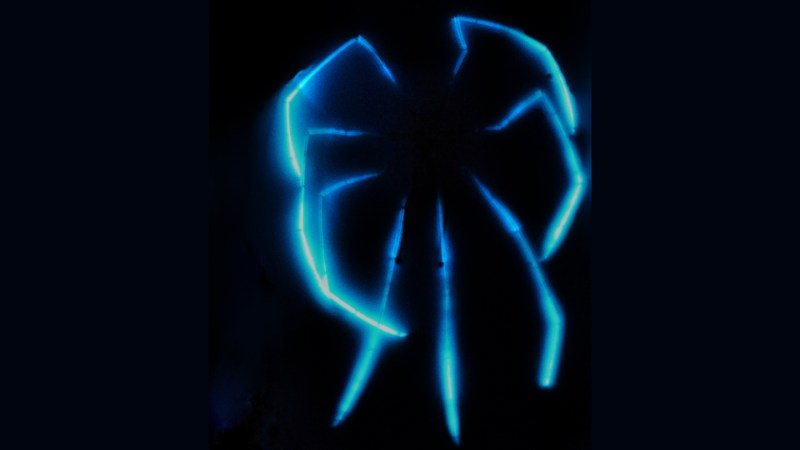
Deep-Sea Spiders Illuminate Trench, Echoing Historical Accounts
A recent expedition to a deep-sea trench near Australia has confirmed that certain sea spider specimens emit a bioluminescent glow, one that may have been documented by 19th-century naturalists. This is empirical evidence bridging historical accounts with modern ocean intelligence. Understanding drives protection. For more on maritime narratives, see our coverage of the bulk carrier grounding near Gladstone. These stories remind us that the ocean's stories, whether biological or industrial, demand our calibrated attention.
Ocean Ecosystems Face Extreme Stress: A Call for Global Action.
The ocean's living systems are under measurable, intensifying stress. This is not a distant forecast, it is an empirical reality demanding coordinated global response. Our new analysis documents the accelerating pressures on marine ecosystems, from warming waters to acidification. We believe the evidence is clear: integrated, real-time ocean intelligence is essential for informed action. For deeper context on how these forces reshape coastlines, see our related study on storm surge costs in coastal China. Understanding drives protection.
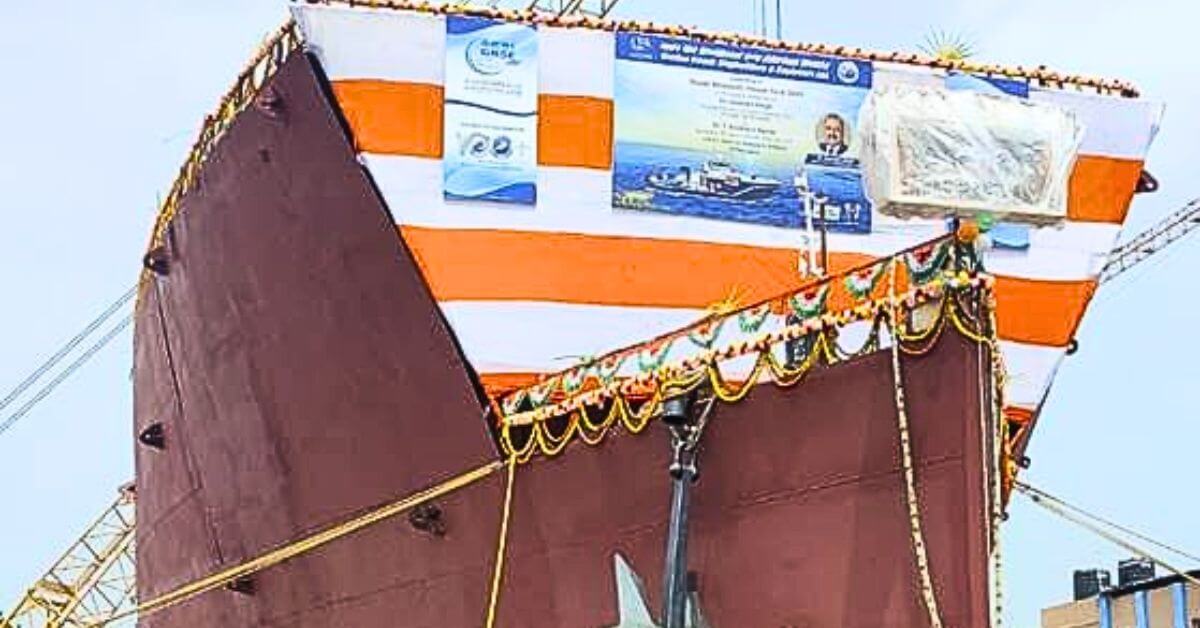
Advancing Ocean Intelligence: Indian Navy Launches ORV Sagar Manthan
The Indian Navy's launch of ORV *Sagar Manthan* at Rishi Bankim Shipyard marks a calibrated step forward for ocean intelligence. This state-of-the-art research vessel will strengthen our capacity for empirical, real-time observation of climate indicators. Understanding drives protection, and this vessel delivers the integrated data ecosystem we need. For another perspective on how subsea infrastructure supports such missions, see our article on integrated subsea cables enhancing data transmission across the Indian Ocean.
Ocean Stewardship: Validated Data for a Sustainable Future.
The ocean holds more data than we have yet learned to trust. Ocean Stewardship: Validated Data for a Sustainable Future centers on that gap, turning raw observation into peer-reviewed action. We are not asking for blind faith in technology; we are asking for calibrated, measurable responses to climate indicators. This is how we save oceans, not through alarm, but through integrated data ecosystems that guide policy and practice.
Exploring BIO 19: A Guide to UC's Marine Biology Course
Choosing a marine biology course without firsthand insight is a familiar puzzle. BIO 19 at UC stands out as a practical option, yet the lack of shared student experiences makes the decision harder than it should be. That gap in resources is precisely why community knowledge matters. For those weighing similar academic paths, our related article "Expanding Oceanography Career Options: Evaluating International Master's Programs" offers a broader look at where such study can lead.
Bridging Data Science and Oceanography: Pathways for Aspiring Researchers
Understanding the ocean has never been more attainable for those entering the field without a traditional background. Your question reflects a common starting point, and the path is more open than you might think. Focus on building quantitative skills, particularly in statistics and programming with Python or R, as these are the currency of modern oceanographic research. Pair that with a genuine curiosity for how data translates into climate indicators.
Bridging the Gap: Oceanography Certificates to Enhance Your Chemistry Background
A bachelor's in chemistry is a strong foundation for oceanography, where the same quantitative rigor applies to seawater chemistry and climate indicators. For a year between degrees, a certificate in data analysis or GIS would complement your lab skills, as these are practical tools used in marine research. Given your diving plans, consider a seminar on ocean observation. Our related article, "Bridging Data Gaps: Integrating Citizen Science for Ocean Intelligence," offers a useful perspective on how field data is gathered.
Empowering Future Ocean Stewards: Citizen Science for Inland Marine Biology Clubs
The Texas Gulf is not the only place where ocean stewardship begins, and your club's location is no barrier to meaningful impact. Starting a Marine Biology Club without beach access is a common hurdle, but the data you can gather from inland is just as valid. Citizen science platforms are your direct line to real-world action, and your instinct to connect battery drives to ocean health is spot on.
Bridging Geography and Oceanography: A Path to Marine Science Research
A Geography undergrad with QGIS skills and a pull toward oceanography is holding a map to a door that's already slightly open. The gap between land-based spatial thinking and marine science is real, but it is not a wall, it's a bridge. Your GIS background is a validated entry point, not a consolation prize. Start with marine-focused QGIS tutorials and coastal data sets; pair them with open-access oceanography courses to build the science vocabulary.
Mapping the Seafloor: Detecting Ghost Nets with Side-Scan Sonar
A single sonar ping can reveal a tangled net resting on the seafloor, but telling it apart from a rock or a reef is where the real work begins. Oceanographers still guide much of the detection process manually, interpreting acoustic returns frame by frame. Ghost nets are difficult to classify because their shape and density vary with depth, current, and decay. Side-scan sonar offers a clear image, yet the final call often rests on human judgment.
Bridging Science and Stories: Engaging the Public on Ocean Challenges
A classroom of students who could define ocean acidification yet still believed geoengineering would save them: that is the gap this author set out to close. His eco-mystery uses narrative tension to make risk feel immediate, not abstract. It is a practical experiment in science communication, and one worth testing. For readers interested in how such efforts connect to broader data efforts, our piece on integrating citizen science for ocean intelligence offers useful context.