oceanography
World Data Ocean keeps oceanography in one place: 140 stories so far. The section currently leads with “An Atlantic water mass reveals its global circulation pathway”, “A data-driven model reveals how the atmosphere drives ocean dynamics”, and “Decades of Atlantic circulation data reveal measurable climate indicators”. A single Atlantic water mass now reveals its global circulation pathway, the "Grand Tour" it takes around the world. The atmosphere is not just a backdrop, it is the engine. A Global Hub for Ocean Intelligence 4 World Data Ocean is a centralized digital platform where researchers, scientists, and ocean enthusiasts converge to… The list below is every oceanography story on World Data Ocean, newest first.

An Atlantic water mass reveals its global circulation pathway
A single Atlantic water mass now reveals its global circulation pathway, the "Grand Tour" it takes around the world. Scripps Institution of Oceanography maps this journey with empirical precision, showing how a current that begins near the Azores becomes a measurable, real-time climate indicator across hemispheres. Understanding drives protection. For deeper context on how we validate such ocean intelligence, see our coverage of the calibrated global salinity dataset.
A data-driven model reveals how the atmosphere drives ocean dynamics
The atmosphere is not just a backdrop, it is the engine. A new data-driven global ocean model now resolves how atmospheric forcing drives ocean dynamics, turning validated, real-time climate indicators into measurable ocean intelligence. This is empirical science with purpose: understanding drives protection. For deeper insight into how calibrated data supports global stewardship, explore our related coverage on building a sustainable data ecosystem. From orbit to ocean floor, the connections become clear.

Decades of Atlantic circulation data reveal measurable climate indicators
Decades of Atlantic circulation data now offer something the field has long needed: measurable, validated climate indicators. This isn't anecdotal observation, it's empirical, longitudinal evidence of change. Understanding drives protection, and this dataset from NOAA gives researchers and policymakers a calibrated baseline to measure what comes next. For deeper context on the ocean's thermohaline structure, our related work on a validated global atlas from WOA18 connects the dots between surface signals and the deep currents that drive them.
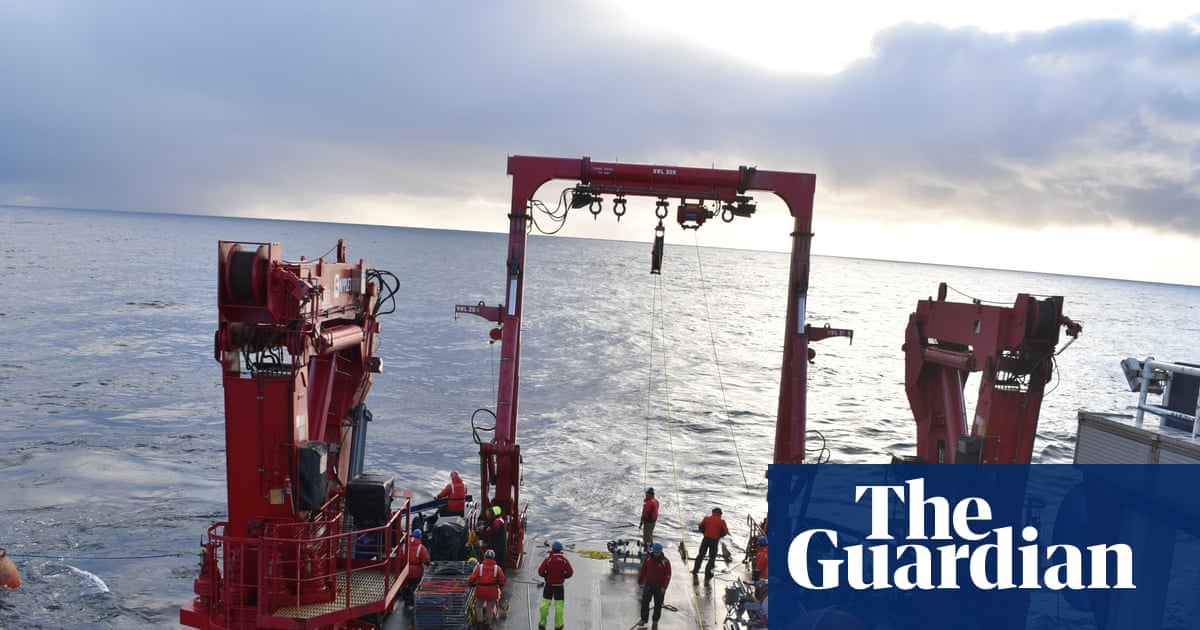
Proposed US monitoring cuts risk global loss of calibrated ocean intelligence
The Trump administration's proposal to eliminate US ocean monitoring systems would strip the world of calibrated, real-time climate intelligence. Scientists warn this leaves us flying blind on ocean warming and sea-level rise. Protecting this integrated data ecosystem is not optional, it is a matter of global scientific integrity. For context on how validated ocean data is built, see our related piece on the NCEI's *Ocean data expands from measured depths to validated insights*. Understanding drives protection; abandoning it invites risk.

The ocean measured, validated, and shared through integrated global data
The ocean measured, validated, and shared through integrated global data, this is the mission behind World Ocean Database Profiles the Ocean at ncei.noaa.gov. It transforms scattered observations into a single, empirical foundation for climate indicators. Understanding drives protection. For deeper context on making this data ecosystem sustainable, see our related article, "Calibrating our ocean intelligence for a sustainable data ecosystem." From orbit to ocean floor, we build the integrated data ecosystem that underpins real-time ocean intelligence.
Eleven data-driven innovations sharpen our ocean intelligence
Eleven measurable innovations are sharpening our ocean intelligence. From validated carbon tracking systems to data-driven models revealing how the atmosphere forces ocean dynamics, each tool adds a calibrated layer to our understanding. These are not abstract concepts, they are empirical, peer-reviewed advances that make ocean stewardship actionable. The Ocean Carbon and Acidification Data System in *Nature* exemplifies this: validated data powering a measurable path forward. Understanding drives protection. From orbit to ocean floor, the evidence is building.

Small ocean drone returns validated data from inside Category 5 hurricane
A small ocean drone has returned validated data from inside a Category 5 hurricane, a world first for NOAA/AOML. This is empirical ocean intelligence at its most daring. Measuring what was previously unmeasurable, the drone's real-time readings from the storm's core will sharpen our climate indicators and refine the models that guide marine stewardship. For deeper context on how such data tracks progress, see our related analysis, "Ocean intelligence measures our progress toward sustainable marine stewardship."

Ocean data expands from measured depths to validated insights
From orbit to ocean floor, the National Centers for Environmental Information (NCEI) transforms measured depths into validated, peer-reviewed insights. This expanding ocean of data is our most calibrated window into planetary change. Understanding drives protection. For deeper context on how these long-term records reveal accelerating shifts, see our related analysis, "Decades of Atlantic circulation data reveal measurable climate indicators." The empirical story is clear: what we measure, we can protect.

Refining Global Ocean Intelligence with New Empirical Climatologies
New empirical climatologies have been added to the World Ocean Atlas, refining our understanding of ocean state with validated, measurable data. This update strengthens the integrated data ecosystem that underpins global ocean intelligence. Those tracking marine debris will find a natural companion in our recent mapping of microplastic drift from surface to seafloor. Understanding drives protection, and these calibrated baselines give us the precision we need to act.
Microbial DNA on Coral Reef Fish Gills Reveals Chemosynthesis Gene Pathways
The gills of coral reef fish carry microbial DNA that points to chemosynthesis gene pathways, a finding published in PLOS Genetics. It is a reminder that the ocean's biological machinery operates far beyond what we see. The work is precise, peer-reviewed, and expands our understanding of symbiosis in reef ecosystems. For broader context on ocean stress, our related piece on marine heatwaves offers a useful companion. This study underscores how much remains calibrated and connected beneath the surface.
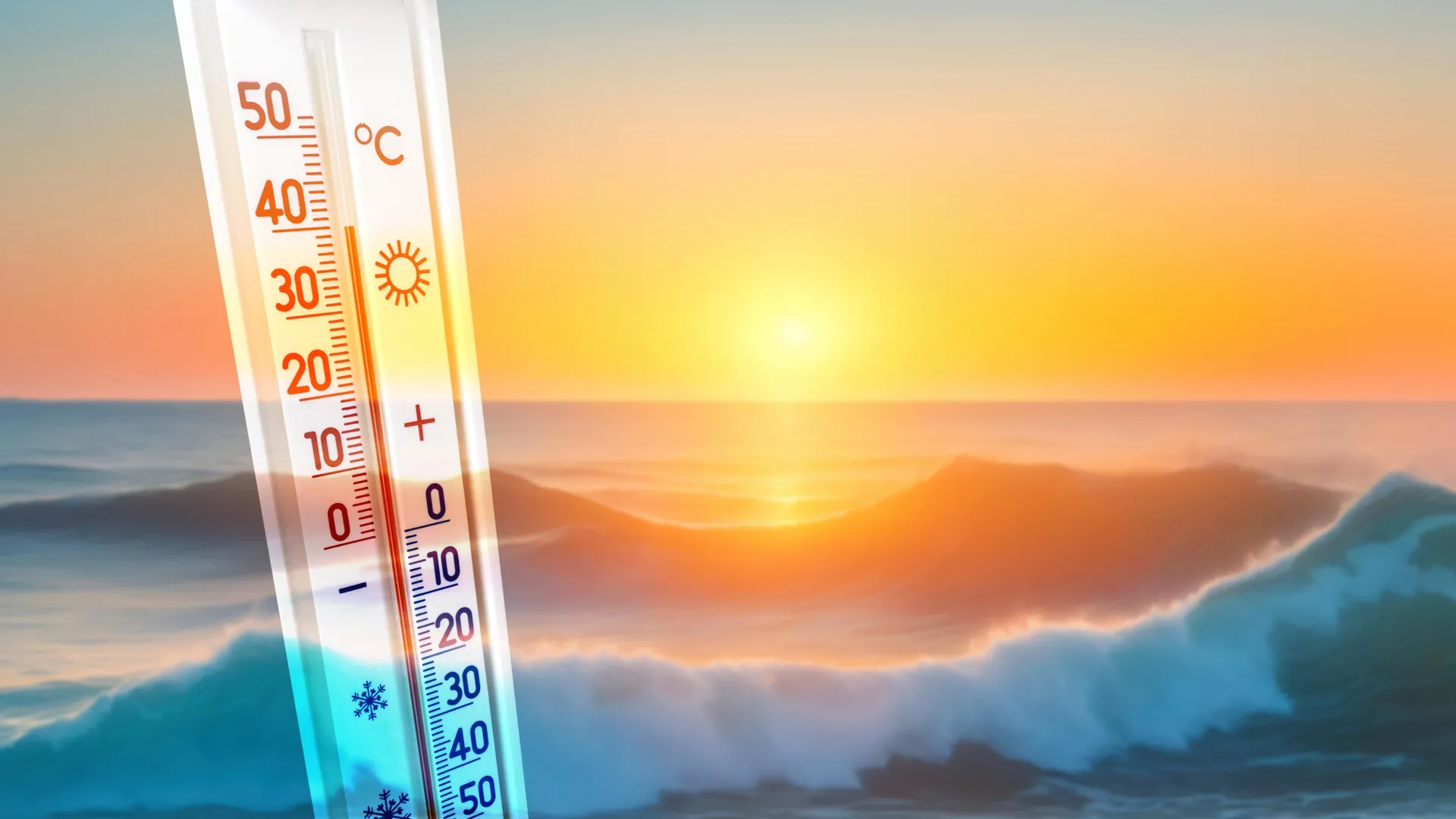
Measuring only heatwave peaks misses months of ocean heat stress
Marine heatwaves are not single spikes, they are often the visible crest of a much longer warming event, with elevated temperatures lingering for months. New research shows that conventional measurements, which focus only on peak intensity, underestimate total heat exposure by more than 150% on average. That is a significant blind spot in how we assess stress on marine ecosystems. Understanding drives protection, and this study clarifies why we must look beyond the peaks.

Calibrated ocean intelligence, now within reach through integrated data discovery
Calibrated ocean intelligence is no longer a distant ambition; it is a practical tool for researchers and policymakers alike. NOAA's National Centers for Environmental Information brings that capability into focus, offering integrated data discovery that turns raw observations into actionable insight. This is the kind of clarity that strengthens our shared stewardship of the seas. For those tracking how marine environments shift, from deep-sea mapping to unexpected benthic finds, our coverage of the Port Phillip Bay debate adds a useful layer of context.
Exploring Plankton Science: Accessible Research for Curious Ocean Observers
A two-year fondness for plankton, sparked by picture books and a saved-for net, is exactly how meaningful ocean observation begins. This researcher's request for accessible depth, rather than just surface-level facts, reflects a genuine curiosity that we share. It is a reminder that scientific literacy grows through patient, specific questions. For those ready to move beyond identification guides, we recommend exploring related coverage on species distribution, such as the unexpected chiton discovery challenging current models, to see how amateur observations can align with empirical inquiry.
Extreme Thermophile Amoeba Expands Limits of Complex Life's Heat Tolerance
A newly described extreme thermophile amoeba is redefining what we know about the limits of complex life. This organism thrives at temperatures that would be lethal to most eukaryotic cells, pushing the boundaries of our biological understanding. It is a compelling reminder that our ocean intelligence is far from complete. For more on how life adapts to extreme marine environments, see our related piece on Arctic sea ice melt season stabilization.
Bridging Disciplines: A Veteran's Pathway to Marine Biology Studies
A veteran of Army special operations is trading one form of service for another, aiming for a PhD in marine biology after a BA in history and government. The pivot is bold, but the foundation is solid, even if it feels otherwise. The GI Bill provides the runway, and Rosenstiel's shark research program offers a clear target. This is not a casual interest; it is a calculated transition.
Unveiling Ocean Insights: Five Unexpected Facts from World Data Ocean
Beneath the waves, discovery often rewrites what we thought we knew. World Data Ocean's latest findings challenge assumptions about marine life, and the implications are as practical as they are profound. This is the kind of data that sharpens our understanding of ocean intelligence, offering measurable insights for researchers and policymakers alike. It is a reminder that empirical observation still leads the charge in ocean stewardship.
Advancing Coastal Economics: A Global Network for Ocean Research
A new field can be a lonely place, especially when it is just beginning to take root. This MSc student from Sri Lanka is navigating that reality with a clear-eyed focus on coastal and ocean economics, from cost-benefit analysis to bioeconomic modelling. Her request is straightforward: to connect with peers who share her research interests. It is a practical, collaborative step that reflects the integrated data ecosystem our field needs.
Expanding Oceanography Career Options: Evaluating International Master's Programs
A master's degree in oceanography should not feel like a dead end, yet for many students from countries where the sector remains underdeveloped, the path forward requires crossing borders. This reader's situation is familiar: strong academics, hands-on field experience, but the nagging worry that a lack of formal documentation or publications will close doors. The concern is valid, but the profile described is not weak. A strong CGPA, multiple research stints, and intermediate GIS skills signal real potential. Full funding is possible, though competitive.
Cultivating a Young Oceanographer: Resources for Budding Marine Scientists
A seven-year-old with a career plan and a housing strategy is a force of nature. This family is asking the right questions, seeking direction without dimming her ambition. The request for open-source lectures and NOAA contacts shows a commitment to real, validated learning over fluff. That focus on empirical resources is exactly what builds a foundation. For those ready to connect their passion to the broader picture, our piece on bridging data gaps with citizen science offers a practical entry point.
Hydrographic Surveyors Share Data, Expanding Ocean Intelligence Insights
When hydrographic surveyors share their datasets, they turn individual measurements into a shared foundation for ocean intelligence. This collaborative act strengthens the integrated data ecosystem that informs navigation, climate indicators, and marine policy. We see this as a practical step toward measurable progress. For those tracking how such information shapes regional stability, our related piece on Ukraine's support for India's Black Sea shipping initiative offers useful context. Sharing data is not just transparent; it is how we build a more resilient understanding of our oceans.
Oceanography Pathways: UK Opportunity for Students (Ages 15-19)
A direct pathway into oceanography exists for UK students aged 15 to 19, and it is worth your attention. The National Oceanography Centre has opened applications for a unique opportunity, shared here because too few school-age students follow the organisation directly on LinkedIn. We appreciate the gap and are helping to close it. If you know a curious young mind, share this. For deeper context on how data flows shape our understanding, our piece on integrated subsea cables offers valuable perspective.
Integrating Data Infrastructure with Ocean Ecosystems: A Calibrated Approach
The seafloor is not a passive highway for data; it is a living system that demands calibration. This submission recognizes that integrating infrastructure with ocean ecosystems requires more than laying cables, it requires measuring impact with empirical rigor. We support this approach because it treats the ocean as a partner, not a conduit. Related coverage, such as our piece on integrated subsea cables across the Indian Ocean, reinforces the stakes. Understanding drives protection, and this work gets that sequence right.
Accelerating Ocean Model Development: Leveraging AI for Research and Thesis Work
A master's thesis in deep-ocean biogeochemical modeling is an ambitious goal, and the timeline demands precision. The first two months are best spent not on code, but on building a foundation. Calibrated learning matters more than speed. Prioritize the Regional Ocean Modeling System's core dynamics and data assimilation techniques. For a model of this scope, peer-reviewed literature on parameterizations is your starting point.
Southern Ocean’s Carbon Absorption Capacity Faces Uncertainty Under Climate Scenarios
The Southern Ocean has long acted as Earth's quiet carbon sink, but new research in *Science Advances* suggests its capacity to absorb emissions is not guaranteed under shifting climate scenarios. This uncertainty carries measurable weight for global climate modeling. We cannot assume stability where the system itself is changing. Understanding these dynamics is essential, not optional. For broader context on how ocean systems respond to pressure, our related coverage of Atlantic Circulation Weakens: Global Climate Reshaping Predicted offers a useful parallel.