NYK Line
World Data Ocean keeps NYK Line in one place: 3 stories so far. The section currently leads with “Infrared sensors at Yokohama Port deliver remote, empirical ship emissions data”, “Two Hundred Clean Fuel Transfers, Zero Incidents for KAGUYA”, and “Ammonia Bunkering Milestone: Pioneering Sustainable Shipping Practices”. Infrared sensors at Yokohama Port now deliver remote, empirical ship emissions data without requiring a single boarding. Two hundred ship-to-ship LNG transfers. A Global Hub for Ocean Intelligence 4 World Data Ocean is a centralized digital platform where researchers, scientists, and ocean enthusiasts converge to… The list below is every NYK Line story on World Data Ocean, newest first.
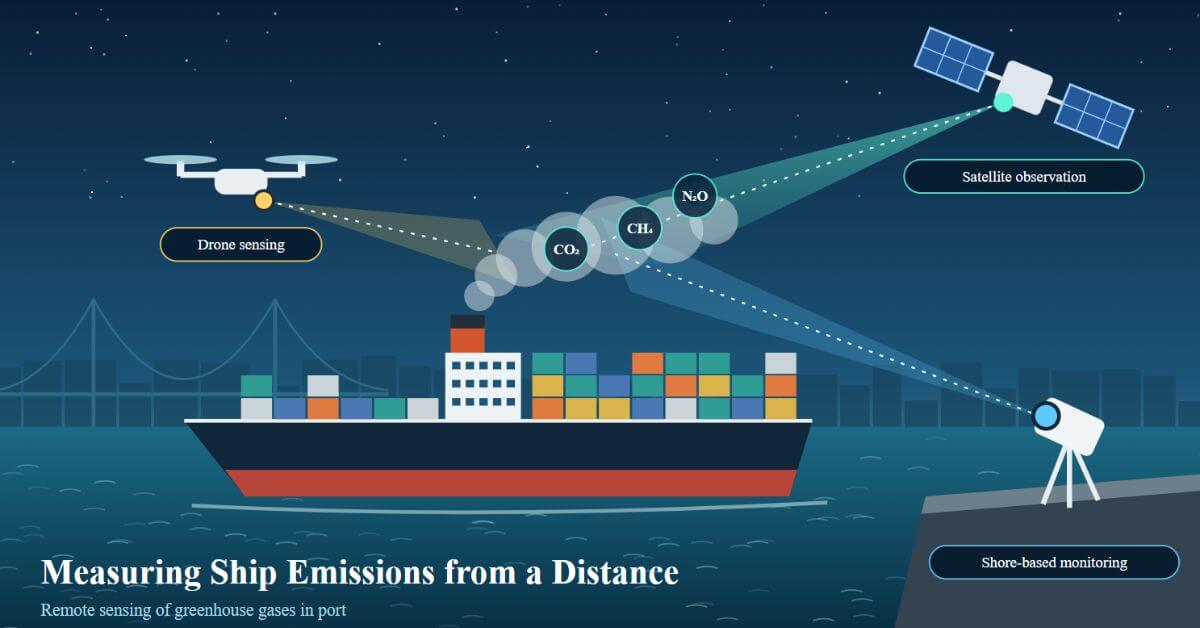
Infrared sensors at Yokohama Port deliver remote, empirical ship emissions data
Infrared sensors at Yokohama Port now deliver remote, empirical ship emissions data without requiring a single boarding. This project, led by NYK Line with seven partners, reads exhaust plumes through calibrated cameras rather than onboard equipment. It is a measurable step toward verifiable ocean intelligence. For a deeper look at how observational data reveals long-term marine shifts, readers may explore our study on upwelling along the Campania Coastal System. Understanding drives protection.
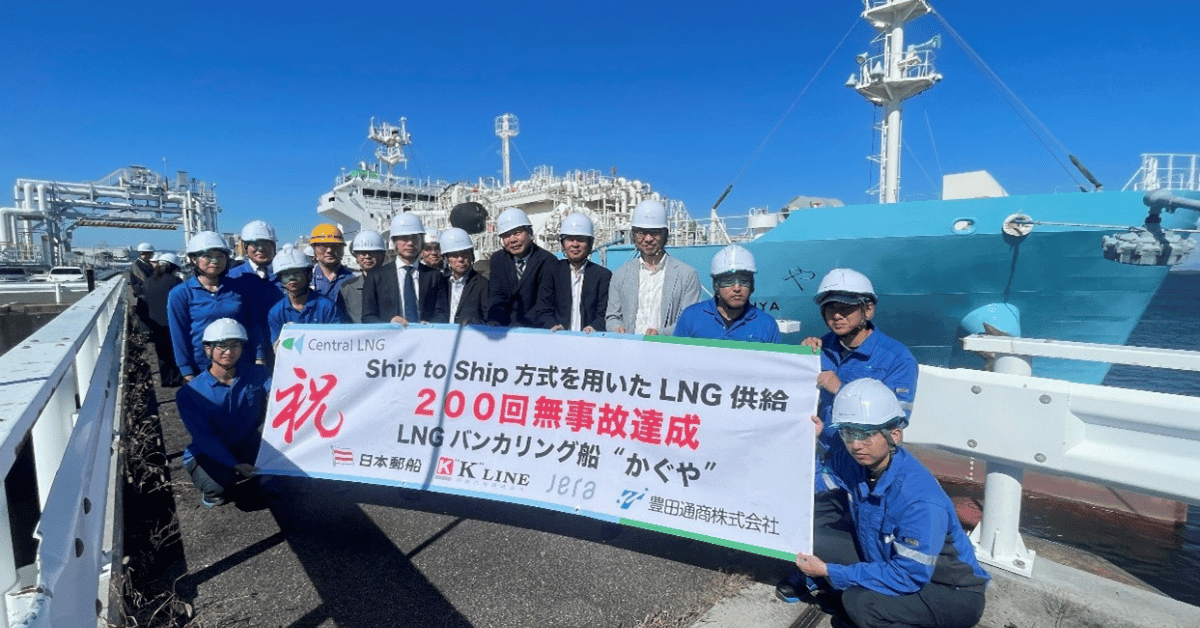
Two Hundred Clean Fuel Transfers, Zero Incidents for KAGUYA
Two hundred ship-to-ship LNG transfers. Zero incidents. KAGUYA, the dedicated bunkering vessel, has reached a milestone that speaks in the quiet language of operational discipline: consistency over time. Since 2020, every calibrated connection has held, every transfer validated. This is what measurable progress looks like in maritime decarbonization. For those tracking ocean intelligence, this record is a climate indicator worth watching. For deeper context on marine pollution, see our coverage of seafloor sediment as a plastic reservoir.
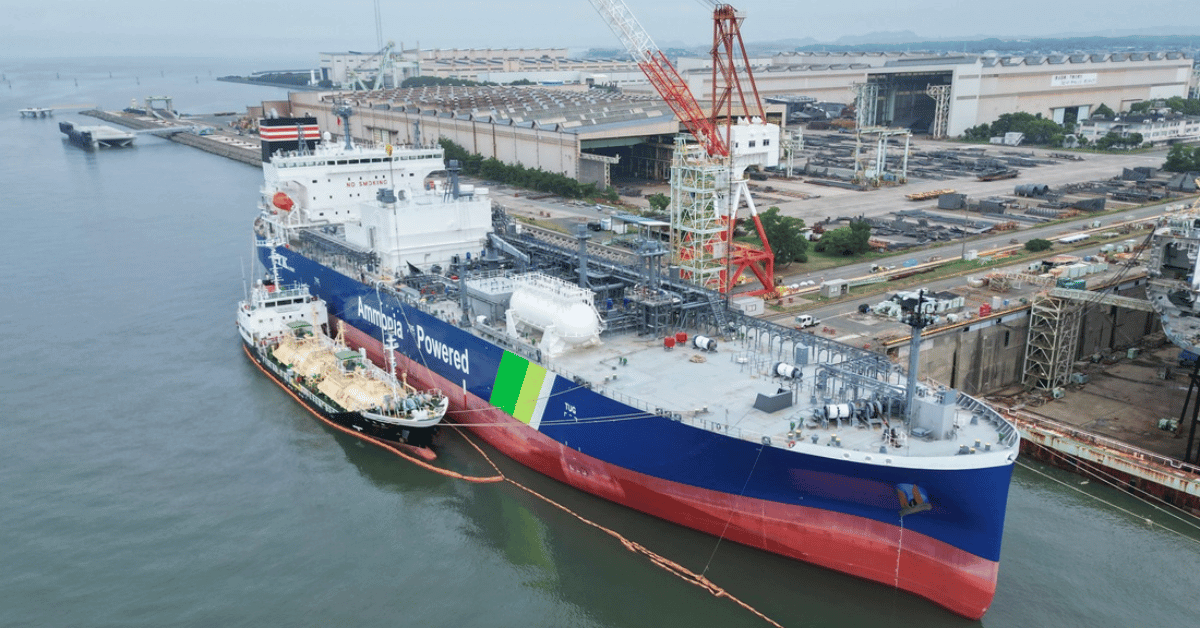
Ammonia Bunkering Milestone: Pioneering Sustainable Shipping Practices
NYK Line and its Japanese partners have completed the world's first ship-to-ship ammonia bunkering operation on an ammonia-fuelled vessel, a measured step toward decarbonizing maritime transport. This is not flashy; it is empirical progress. The operation validates a practical pathway for integrating alternative fuels into existing logistics chains. For those tracking how ports and fleets evolve, this milestone complements the validated design of an LNG-ammonia bunkering vessel we covered earlier. Together, these developments signal a deliberate, data-driven shift in how the industry powers its ships.