nuclear programme
nuclear programme at World Data Ocean is a file of 5 stories. The newest of them: “Redirected Iranian naval tactics target Gulf shipping lanes with limpet mine strikes”, “Diplomatic Talks Test Conditions for Reopening the Strait of Hormuz”, and “Strait of Hormuz tensions rise as Iran signals new maritime restrictions”. Iran has redirected its naval strategy in the Gulf, broadening attack areas with limpet mine strikes on commercial shipping lanes. Diplomatic talks on reopening the Strait of Hormuz remain stalled, with Washington and Tehran locked over sanctions, regional hostilities, and Iran's nuclear programme. A Global Hub for Ocean Intelligence 4 World Data Ocean is a centralized digital platform where researchers, scientists, and ocean enthusiasts converge to… The list below is every nuclear programme story on World Data Ocean, newest first.
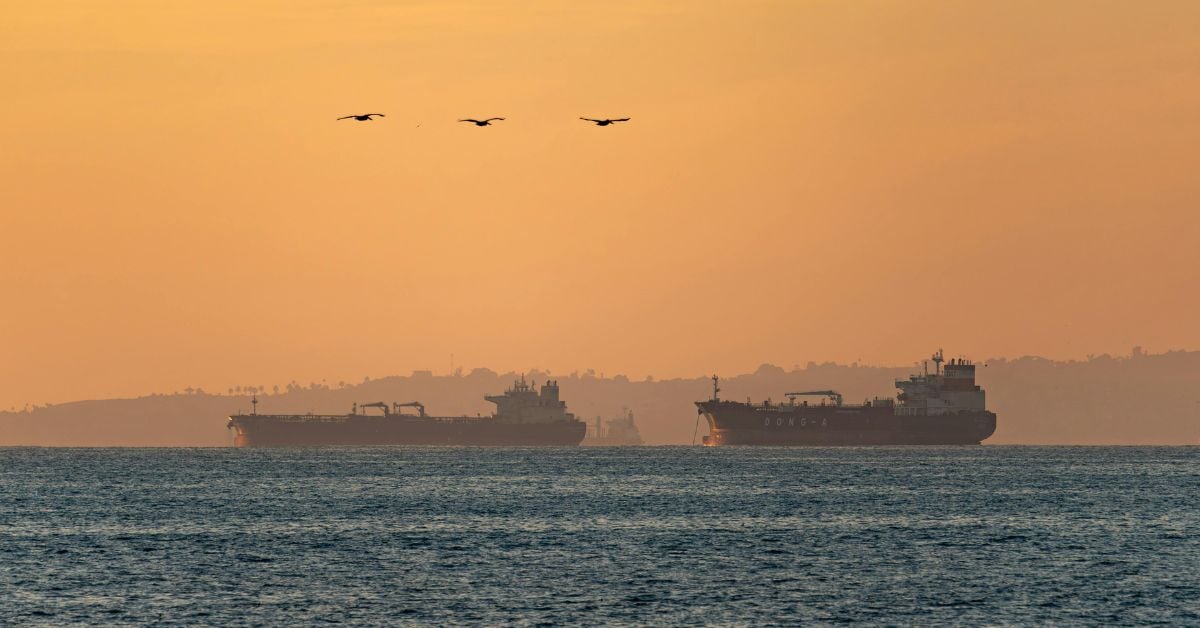
Redirected Iranian naval tactics target Gulf shipping lanes with limpet mine strikes
Iran has redirected its naval strategy in the Gulf, broadening attack areas with limpet mine strikes on commercial shipping lanes. This tactical shift, executed under the threat of fresh US and Israeli strikes, escalates a dangerous pattern of asymmetric maritime warfare. Understanding drives protection, and this development demands calibrated, real-time monitoring. For deeper context on escalating threats to commercial vessels, see our coverage of the drone strike that sank a Greek container ship in the Black Sea.
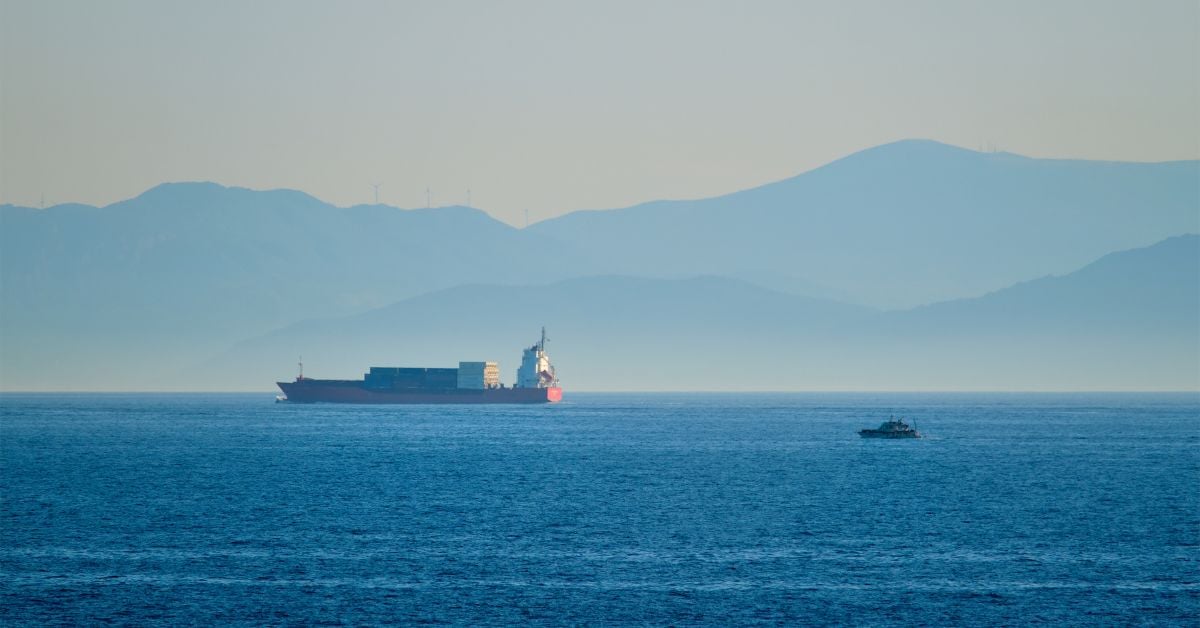
Diplomatic Talks Test Conditions for Reopening the Strait of Hormuz
Diplomatic talks on reopening the Strait of Hormuz remain stalled, with Washington and Tehran locked over sanctions, regional hostilities, and Iran's nuclear programme. These test conditions demand calibrated, empirically grounded negotiation, not alarmist posturing. Measurable progress on security guarantees and validated compliance mechanisms could unlock a pathway. For context on maritime security dynamics, see our coverage of the French frigate Languedoc neutralizing an airborne threat in the Bab el-Mandeb Strait. Understanding drives protection, and shared ocean intelligence is essential here.
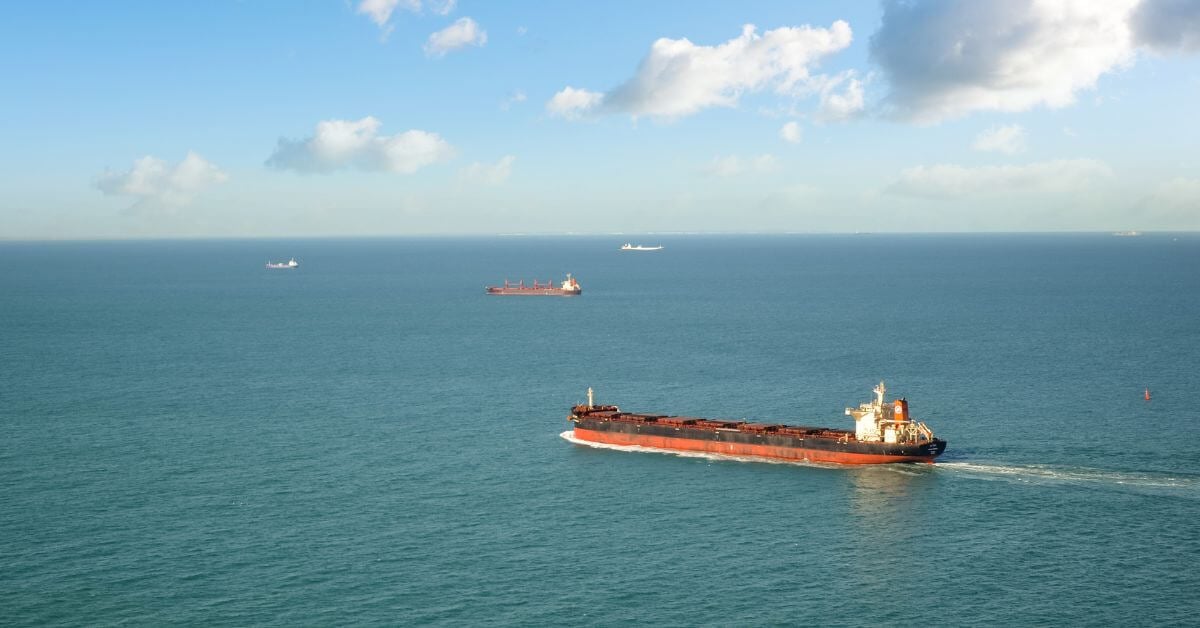
Strait of Hormuz tensions rise as Iran signals new maritime restrictions
The Strait of Hormuz is once again a flashpoint, with Iran signaling new maritime restrictions even as Gulf oil exports rise. Tanker attacks and logistical disruptions continue to plague shipments, a reality reflected in risk premiums exceeding $100,000 per month for captains. These are not abstract tensions; they are measured, empirical challenges to global energy flow. Our related coverage on those soaring risk premiums offers a deeper look at the human and economic cost. Understanding these dynamics is the first step toward protecting maritime stability.
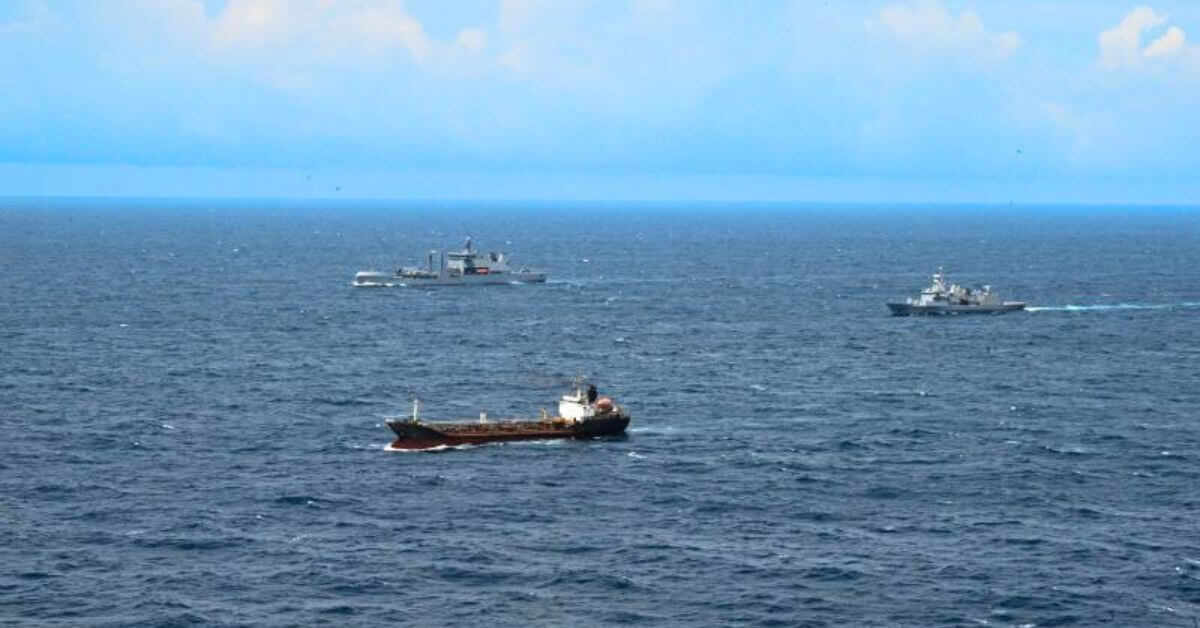
Kiwi Frigate Monitors Sanctions, Enhancing Global Maritime Security Intelligence
For three months, a Royal New Zealand Navy task group has monitored possible violations of UN sanctions against North Korea, turning a routine patrol into a concrete measure of maritime accountability. This is the kind of quiet, persistent work that gives "ocean intelligence" its weight. The deployment strengthens global security, yet it rarely makes headlines. It should. For deeper context on how regional navies are expanding their reach, see our related piece, "New Zealand Vessels Traverse Taiwan Strait En Route to Philippines Exercise.

Integrated Shipping Lanes: Iran and Oman Calibrate Transit Through Hormuz.
Iran and Oman have agreed on the transit routes ships will use through the Strait of Hormuz, a calibrated step toward stabilizing one of the world's most critical maritime chokepoints. The arrangement signals practical diplomacy at work, replacing uncertainty with measurable coordination. For shippers and nations alike, this is ocean intelligence in its most actionable form: clear lanes, agreed parameters, and a shared commitment to keeping trade moving.