New York
3 stories filed under New York on World Data Ocean. The newest of them: “New Coalition Charts Measurable Course for Safer Global Shipping”, “Phased Negotiations Aim to Ease Restrictions on Strait of Hormuz”, and “Offshore Wind Lease Reversal: Administration Offers $4 Billion Reimbursement”. At the UN headquarters in New York, a new coalition of nations, the Group of Friends on Safety and Security of Shipping and Seafarers, has launched. The United States and Iran are now discussing a phased deal that could reopen the Strait of Hormuz and lift the US economic blockade. A Global Hub for Ocean Intelligence 4 World Data Ocean is a centralized digital platform where researchers, scientists, and ocean enthusiasts converge to… The list below is every New York story on World Data Ocean, newest first.
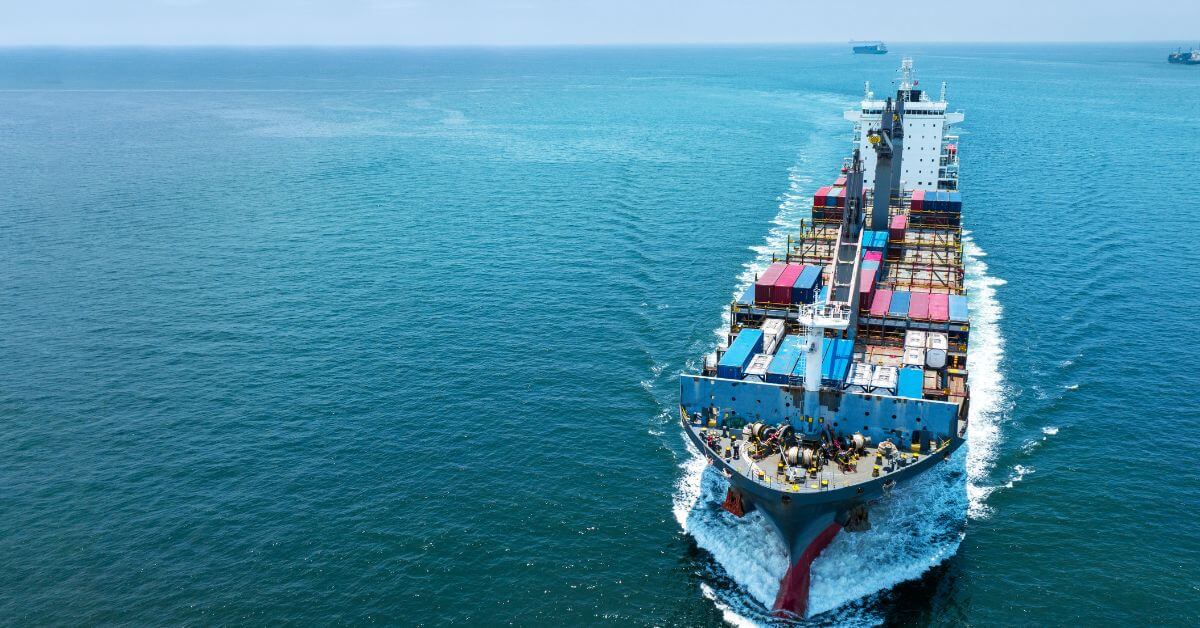
New Coalition Charts Measurable Course for Safer Global Shipping
At the UN headquarters in New York, a new coalition of nations, the Group of Friends on Safety and Security of Shipping and Seafarers, has launched. This is not abstract diplomacy. It is a coordinated, measurable effort to protect the people and routes that move 90% of global trade. We track climate indicators rigorously; we should apply the same empirical standard to maritime safety. For deeper context on how ocean transit intersects with emissions, see our related piece on measured food transport data.

Phased Negotiations Aim to Ease Restrictions on Strait of Hormuz
The United States and Iran are now discussing a phased deal that could reopen the Strait of Hormuz and lift the US economic blockade. This is measured, incremental diplomacy, and that is precisely why it deserves attention. A full reopening would stabilize a shipping lane the entire world depends on. For readers tracking the region's momentum, our related coverage on Gulf of Oman STS transfers shows how strained the system has become. The path forward is narrow, but it is finally being walked.
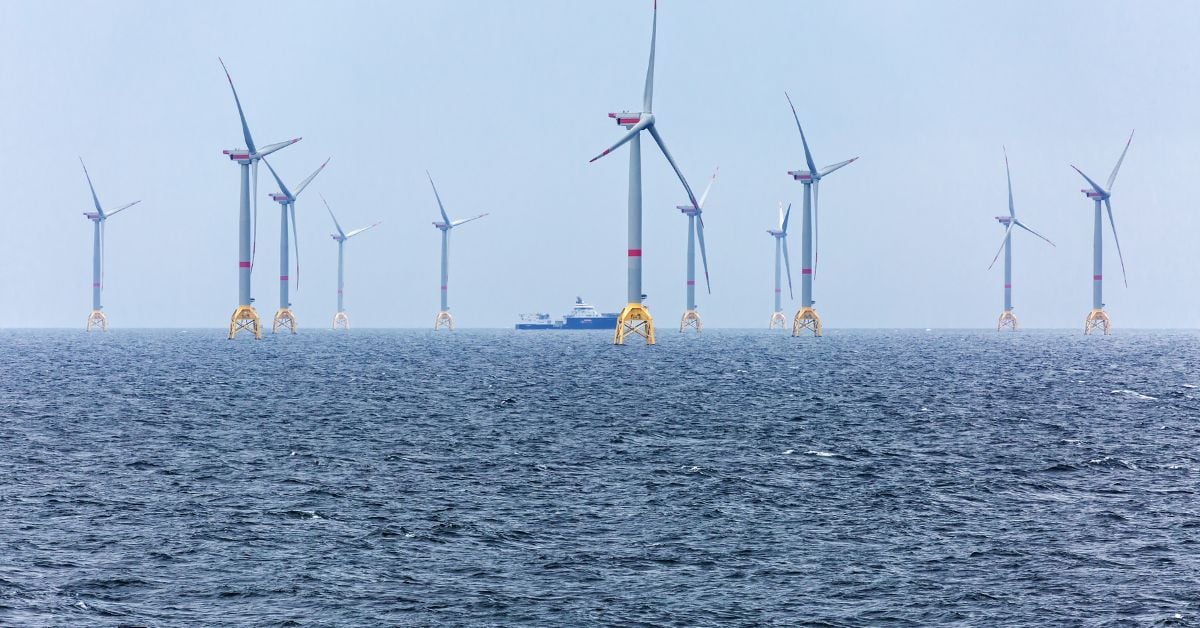
Offshore Wind Lease Reversal: Administration Offers $4 Billion Reimbursement
The Administration's offer of $4 billion in reimbursements for cancelled offshore wind leases is a striking reversal, one that prioritizes fossil fuel development over the measured progress of ocean energy. We see this as a legal and economic flashpoint, with California and New York now braced for litigation. The sum acknowledges the sunk costs, yet it does not address the broader climate indicators at stake.