negotiations
World Data Ocean keeps negotiations in one place: 11 stories so far. The section currently leads with “Diplomatic Talks Test Conditions for Reopening the Strait of Hormuz”, “India Proposes Measured Maritime Truce to Protect Black Sea Shipping”, and “Strait of Hormuz Reopening Contingent on U.S. Actions, Iran States”. Diplomatic talks on reopening the Strait of Hormuz remain stalled, with Washington and Tehran locked over sanctions, regional hostilities, and Iran's nuclear programme. India has proposed a measured maritime truce to protect commercial shipping in the Black Sea, offering a three-point framework to de-escalate the Russia-Ukraine conflict. A Global Hub for Ocean Intelligence 4 World Data Ocean is a centralized digital platform where researchers, scientists, and ocean enthusiasts converge to… The list below is every negotiations story on World Data Ocean, newest first.
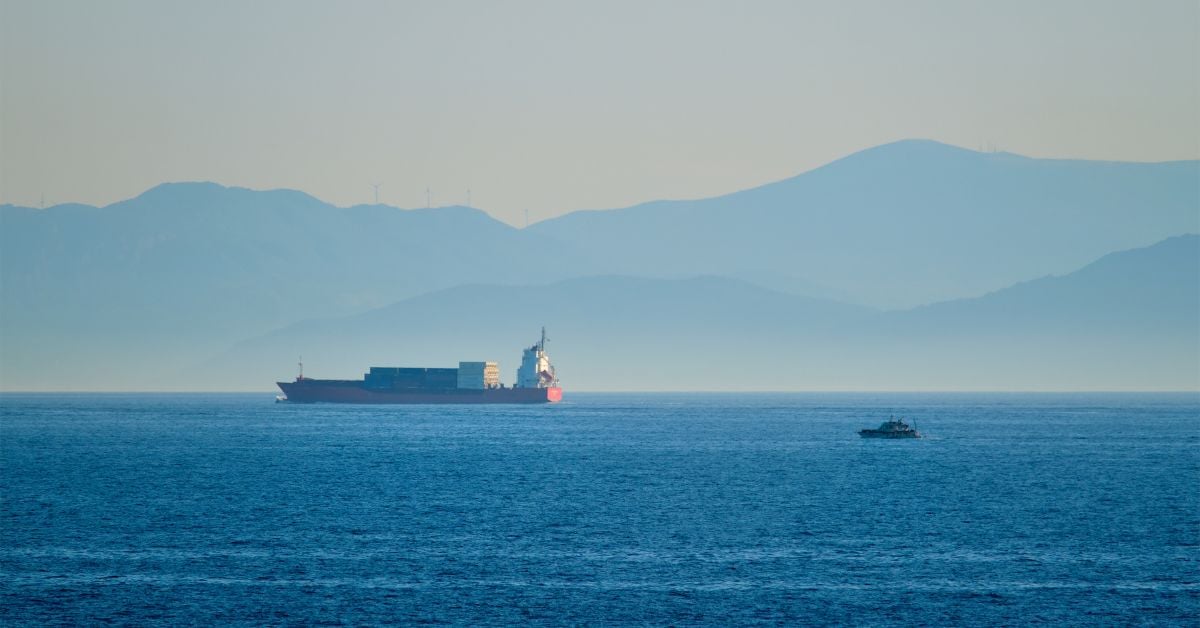
Diplomatic Talks Test Conditions for Reopening the Strait of Hormuz
Diplomatic talks on reopening the Strait of Hormuz remain stalled, with Washington and Tehran locked over sanctions, regional hostilities, and Iran's nuclear programme. These test conditions demand calibrated, empirically grounded negotiation, not alarmist posturing. Measurable progress on security guarantees and validated compliance mechanisms could unlock a pathway. For context on maritime security dynamics, see our coverage of the French frigate Languedoc neutralizing an airborne threat in the Bab el-Mandeb Strait. Understanding drives protection, and shared ocean intelligence is essential here.
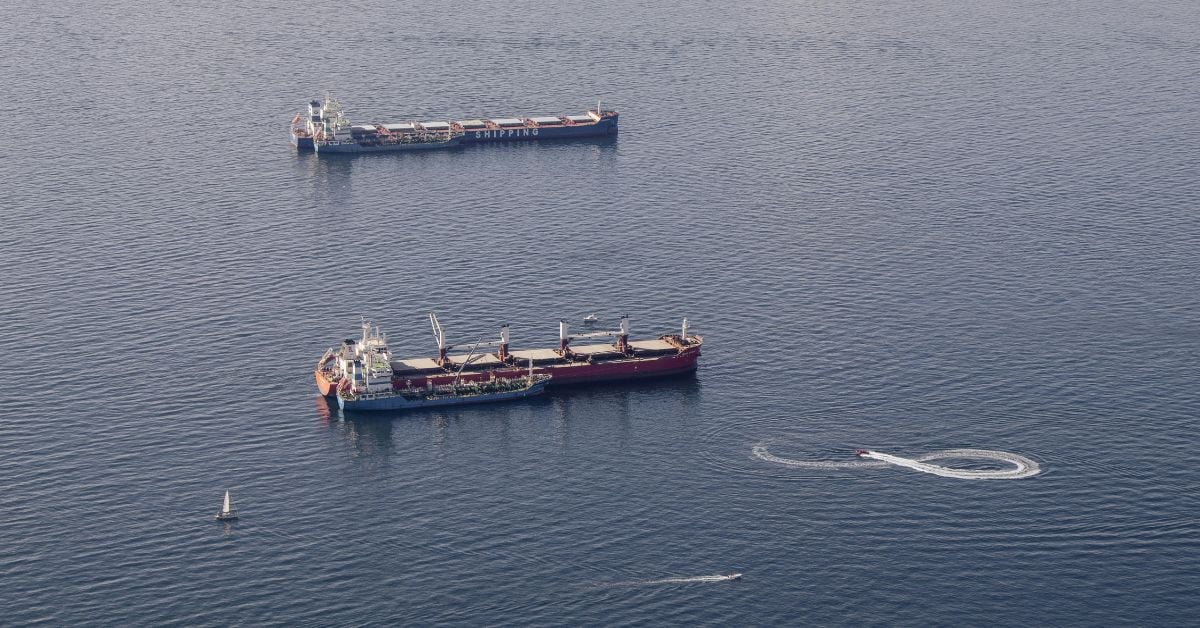
India Proposes Measured Maritime Truce to Protect Black Sea Shipping
India has proposed a measured maritime truce to protect commercial shipping in the Black Sea, offering a three-point framework to de-escalate the Russia-Ukraine conflict. This calibrated diplomatic intervention prioritizes verified cessation of attacks on vessels, a step toward restoring stability in a critical corridor. It is a purposeful move grounded in empirical security concerns. For deeper context on recent threats to seafarers, see our coverage of the drone strikes in the Black Sea that sank a freighter.
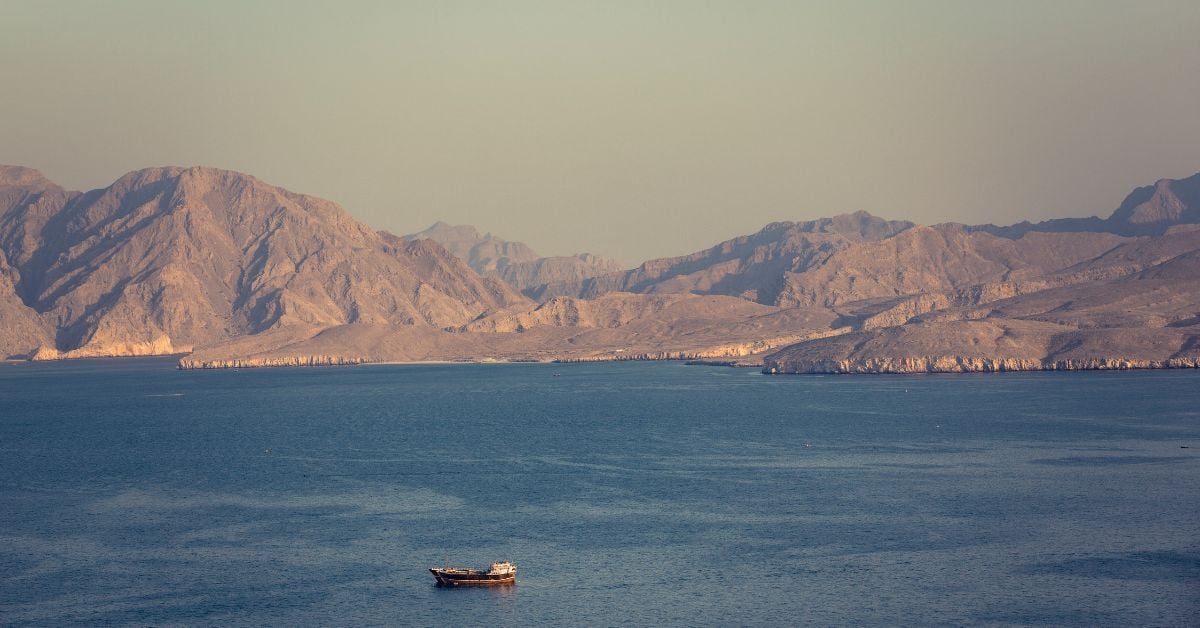
Strait of Hormuz Reopening Contingent on U.S. Actions, Iran States
Iran has linked the Strait of Hormuz's reopening to a single condition: the U.S. must lift its naval blockade of Iranian ports and end sanctions on Tehran. The announcement, which sets a one-week timeline, is a direct test of diplomatic intent. It is a high-stakes calculation, but not an unreasonable one. For context, our related coverage on Gulf of Oman STS transfers shows how regional oil flows are already straining at their limits.
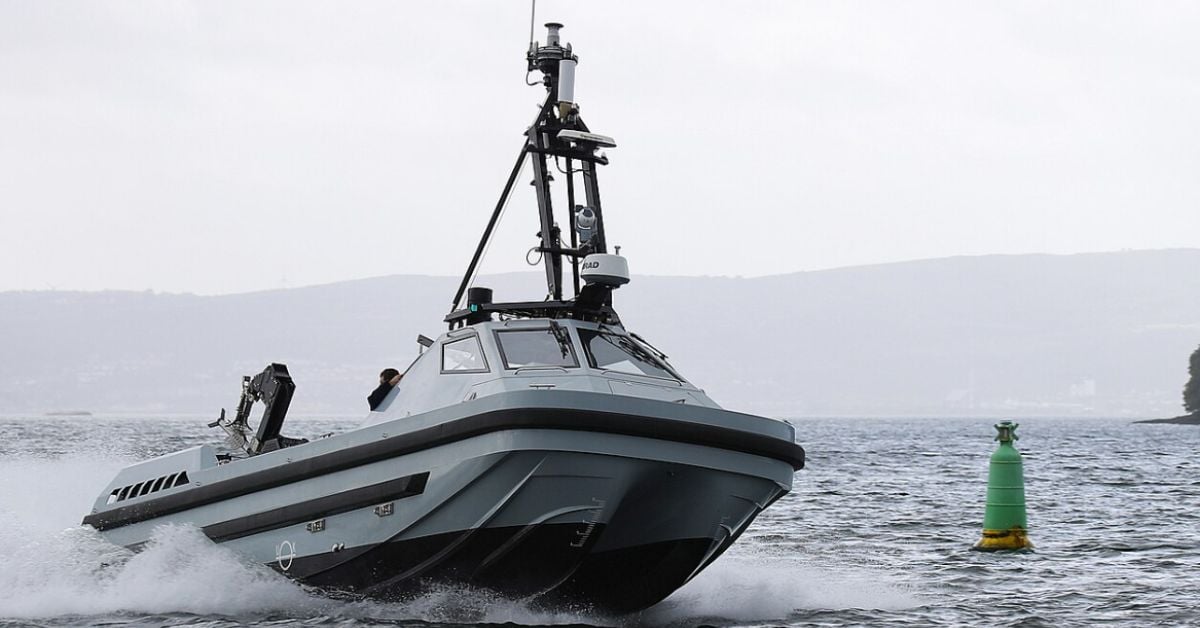
Disputed Incident: Iran Claims Attack on U.S. Unmanned Vessel in Hormuz.
Iran's claim that it attacked an unmanned U.S. vessel in the Strait of Hormuz marks another calculated escalation in a waterway already strained by maximum-capacity oil transfers. The move, framed as a response to a vessel entering a restricted area, underscores how quickly regional tensions can tip into direct confrontation. For a region where phased negotiations and multilateral pressure are already in play, this incident adds a volatile new variable.

Heightened Tensions: Iran and US Navigate Strait of Hormuz Instability
A vessel was struck as it departed the Strait of Hormuz on Tuesday, while the UAE reported two ballistic missiles launched from Iran. The incident underscores a fragile moment in a waterway that carries a third of global oil trade. Tension is not new here, but the precision of these actions raises the stakes. For readers tracking the region's shifting dynamics, our coverage of phased negotiations to ease restrictions on the strait offers essential context.

Accountability Demanded: Trump Links Iran's Actions to Compensation Claims.
President Trump's demand that Iran shoulder compensation for damages and deaths across Lebanon, Syria, Yemen, and Gaza is a direct assertion of accountability, posted plainly on Truth Social. The claim is stark, yet it raises a measured question: can state responsibility be calibrated when conflicts blur the line between direct action and influence? This is not alarmism; it is a demand for legal and financial reckoning.

Labor Action Impacts Operations at Key Global Export Port.
A four-year agreement is on the table at one of the world's busiest export gateways, where three unions are pressing BHP for contract terms that would stabilize a key link in the global supply chain. Labor action here carries measurable weight: any prolonged disruption ripples through iron ore flows and the shipping lines that move them. The stakes are clear, and the negotiations merit close attention.

Charting New Maritime Pathways: Iran and Oman Negotiate Hormuz Route.
Iranian Foreign Minister Abbas Araqchi confirmed that a deal with Oman would establish new shipping routes through the Strait of Hormuz once conditions are met. The negotiation signals a practical step toward stabilizing a waterway critical to global energy flows. Diplomatic progress here matters, though implementation will test both sides. For context on how pressure is building in nearby waters, our piece on Gulf of Oman STS transfers offers useful background. Measured agreements are welcome, but the real measure lies in execution.

Dialogue Advances Toward Strait of Hormuz Stability
Diplomatic progress between Washington and Doha signals measurable headway toward restoring the Strait of Hormuz ceasefire, with senior officials from both nations confirming that substantial steps are underway. This is the kind of calibrated, real-time advancement that matters for regional stability. The talks reflect a purpose-driven commitment to de-escalation, though the path ahead remains complex. For broader context on the pressures shaping these negotiations, our related coverage on Gulf of Oman STS transfers maxing out offers useful perspective.

Oman Incident: Explosion Near Tanker Highlights Regional Maritime Risks
An explosion was heard near an oil products tanker approximately 20 nautical miles northeast of Khasab, Oman, at 4:37 am on Monday, underscoring the persistent volatility shadowing regional shipping lanes. The incident, while brief, is a measured reminder that maritime transit here remains exposed to sudden, destabilizing events. Such moments demand calibrated observation, not alarm. For context on how these waters are already straining under pressure, our related piece on Gulf of Oman STS transfers maxing out offers useful perspective.

Shipping Route Stability: Iran Maintains Control of Strait of Hormuz.
The pause in fighting has steadied immediate concerns over further military escalation, yet the Strait of Hormuz remains a corridor where stability is measured in transit, not promises. Iran's maintained control here is a decisive factor for global oil flows, and we read this as a calibrated signal rather than a closed chapter. The diplomatic path forward is fragile, but for now, the route holds. For broader context on regional pressure points, our piece on Gulf of Oman STS transfers offers useful perspective.