Mexico
World Data Ocean keeps Mexico in one place: 8 stories so far. The section currently leads with “Three nations concentrate nearly 60% of Latin America's poverty burden”, “Enforcement action halts fuel shipment bound for Cuba in Gulf transit”, and “Validated by a La Paz captain: a 2026 marlin sighting”. Three nations, Brazil, Venezuela, and Mexico, concentrate nearly 60% of Latin America's poverty burden. The M/V Grace was intercepted mid-Gulf, its fuel shipment halted en route to Cuba by a targeted enforcement action. A Global Hub for Ocean Intelligence 4 World Data Ocean is a centralized digital platform where researchers, scientists, and ocean enthusiasts converge to… The list below is every Mexico story on World Data Ocean, newest first.
Three nations concentrate nearly 60% of Latin America's poverty burden
Three nations, Brazil, Venezuela, and Mexico, concentrate nearly 60% of Latin America's poverty burden. This is a measurable concentration of hardship that demands a calibrated response. Understanding these geographic patterns is the first step toward effective intervention. For a parallel look at how resource supply chains and demographic shifts intersect with economic vulnerability, see our related piece on tracing cobalt from Congo's mines to China's refineries.
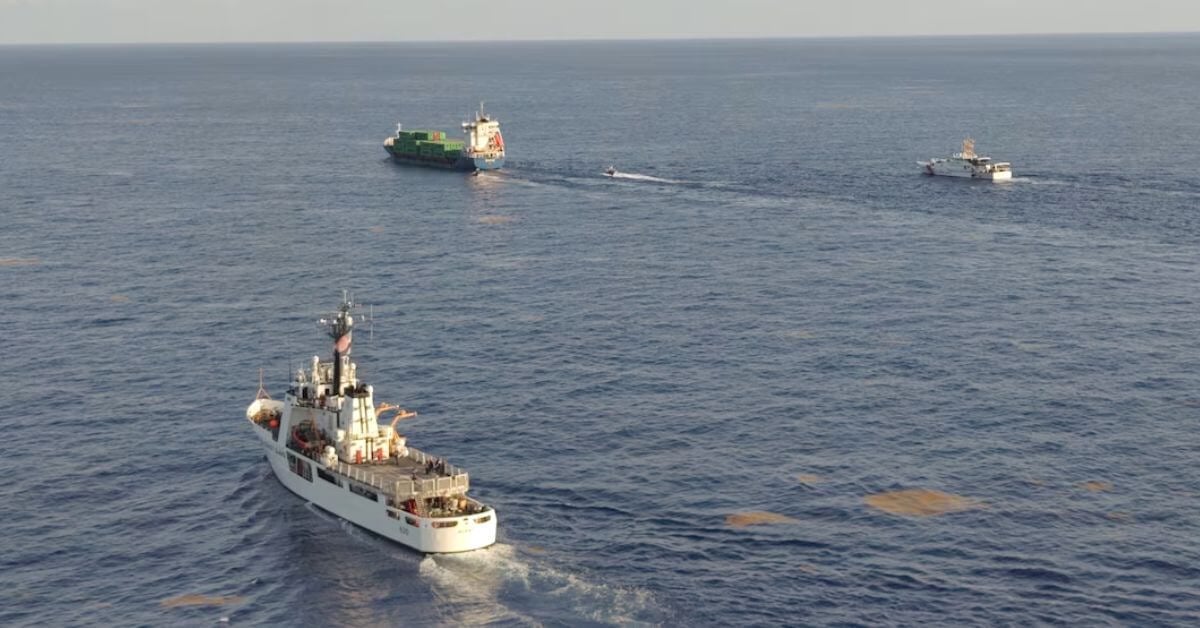
Enforcement action halts fuel shipment bound for Cuba in Gulf transit
The M/V Grace was intercepted mid-Gulf, its fuel shipment halted en route to Cuba by a targeted enforcement action. Coast Guard personnel boarded the vessel between Cuba and Mexico before diverting it to Mexico. This is border enforcement with direct geopolitical stakes, no ambiguity, no delay. For those tracking how legal frameworks meet maritime realities, our piece *Closing the Gap in Transboundary Marine Protection Through Legal Innovation* examines precisely how governance adapts when jurisdiction shifts at sea.

Validated by a La Paz captain: a 2026 marlin sighting
A La Paz captain's 2026 marlin sighting adds a grounded, human-verified data point to our understanding of pelagic movement. It is a reminder that local knowledge still calibrates the instruments we rely on for ocean intelligence. The report pairs well with broader climate indicators, though we should treat it as one observation, not a trend. For deeper context on how marine life responds to warming, our related piece on marine heatwaves offers a useful framework.
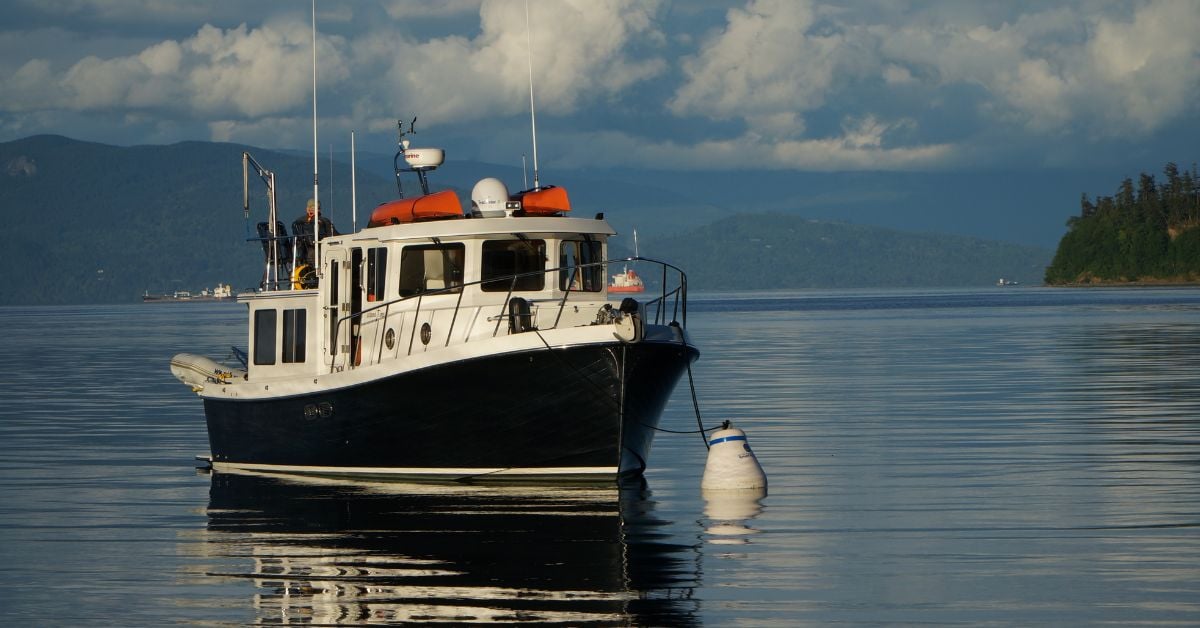
Smuggling Pilot Sentenced After Fatal Boat Incident Near Imperial Beach
A 57-month sentence brings a measure of accountability to a tragedy that never should have occurred. The pilot of the smuggling boat that capsized off Imperial Beach last year, killing five immigrants, now faces the consequences of steering a vessel so recklessly that lives were lost in the surf. This was not an accident; it was a chain of decisions with lethal outcomes. For those considering such crossings, the stakes are now clearer.
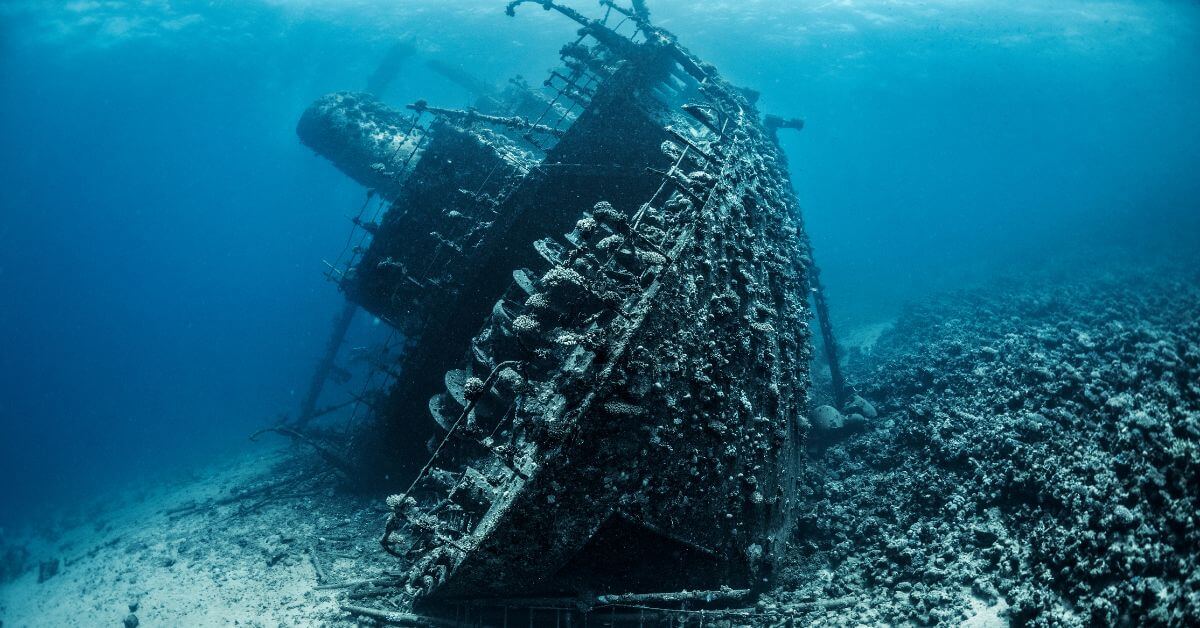
Lost Ship Reveals Clues to Caribbean Trade and Smuggling History
A wooden hull resting 4.25 kilometres off the coast near La Victoria, inside the Sian Ka'an Biosphere Reserve, is rewriting what we know about Caribbean trade routes. This wreck is not just a relic; it is a measured record of commerce and contraband, a tangible piece of ocean intelligence. We see the value in such empirical finds, which anchor our understanding of historical networks.

Maritime Operations Linked to Drug Trafficking in Eastern Pacific
The transfer of cocaine from ocean-going vessels to go-fast boats is a deliberate tactic, one that exploits the vastness of the Eastern Pacific. This handoff is a critical pressure point in the maritime domain, where tracking requires both vigilance and international coordination. We see this not as a simple smuggling route, but as a direct challenge to the integrity of our shared ocean space. Such operations underscore the need for persistent, data-driven surveillance.

Metal Bioaccumulation Patterns Revealed in Gulf of California Fish
Arsenic dominated metal accumulation in Gulf of California fish, yet its toxicity is likely dampened by the prevalence of organic forms. The study, covering species from distinct feeding guilds near La Paz and Santa Rosalía, links variability to diet and metabolic capacity. Essential metals like cobalt and manganese stayed near natural ranges, though seasonal runoff drove manganese peaks at Santa Rosalía. Selenium's high bioaccumulation signals potential trophic transfer. Location and species both shaped patterns, with historical mining influencing pollution indices.
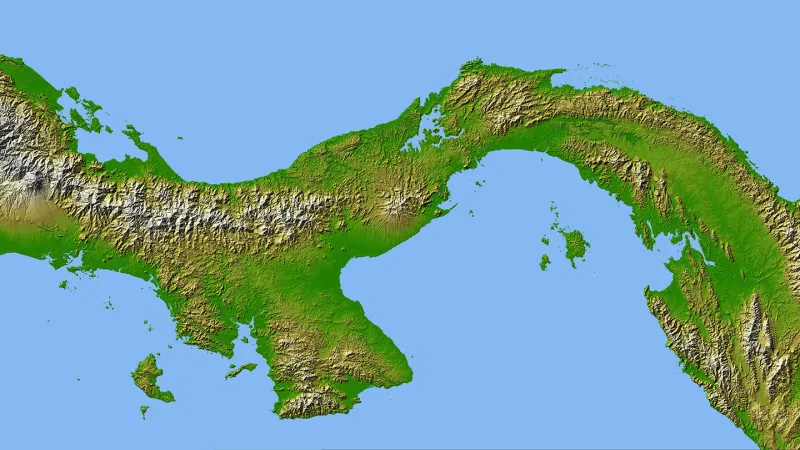
Mexico's Climate: A Pathway for Ancient Mammal Migration
The Isthmus of Panama is often framed as a barrier, but new findings suggest Mexico's climate may have turned it into a corridor for ancient mammals moving north to south. That distinction matters. It reframes a migration story we thought we understood, grounding it in measurable, empirical conditions rather than simple geography. For researchers tracking how species respond to shifting climates, this is a useful calibration of past patterns.