MarineTraffic
World Data Ocean keeps MarineTraffic in one place: 5 stories so far. The section currently leads with “Validated Fuel Savings When Ports Share Berth Schedules”, “Coast Guard deploys integrated air-sea assets for stranded bulk carrier crew”, and “Negotiations Clear Strait of Hormuz for LNG Delivery to Pakistan”. A validated 4% to 6% fuel savings is not theoretical, it is the measurable result when ports and ships share berth schedules. A helicopter and a vessel are not enough when a crew is stranded at sea. A Global Hub for Ocean Intelligence 4 World Data Ocean is a centralized digital platform where researchers, scientists, and ocean enthusiasts converge to… The list below is every MarineTraffic story on World Data Ocean, newest first.
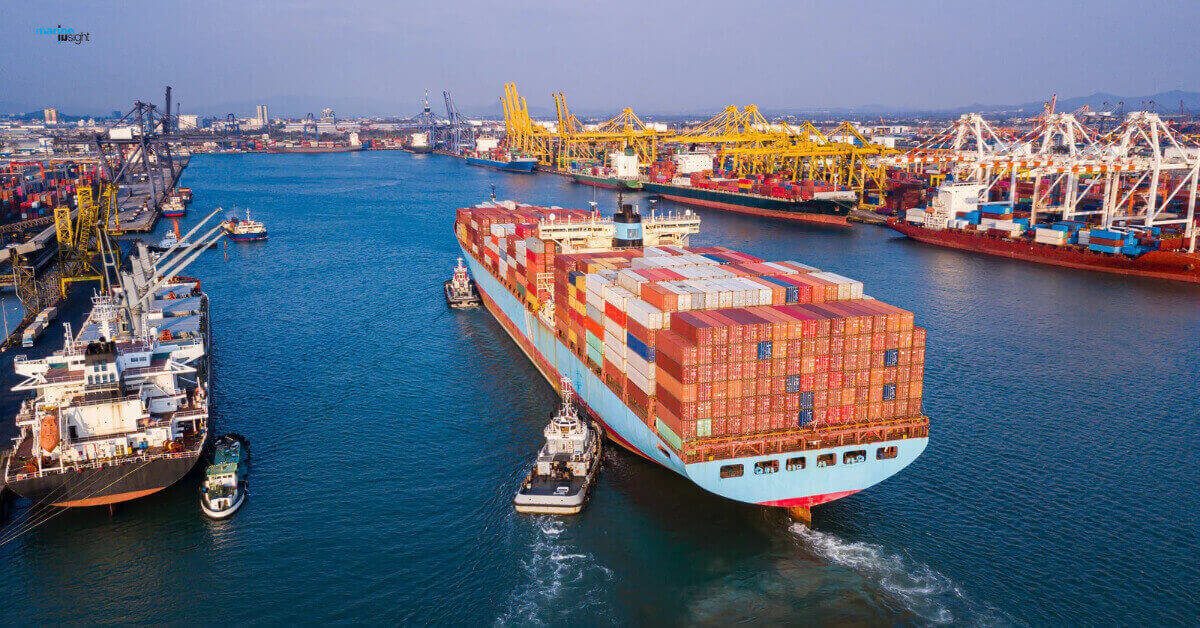
Validated Fuel Savings When Ports Share Berth Schedules
A validated 4% to 6% fuel savings is not theoretical, it is the measurable result when ports and ships share berth schedules. Just-in-time arrival lets a vessel adjust speed during passage so the berth, fairway, pilots and tugs are ready upon arrival. Less fuel burned, less time waiting at anchor. This integrated data ecosystem turns coordination into climate action. For more on how operational changes cut emissions, see our coverage of wind power reducing cargo fuel use by 70%.
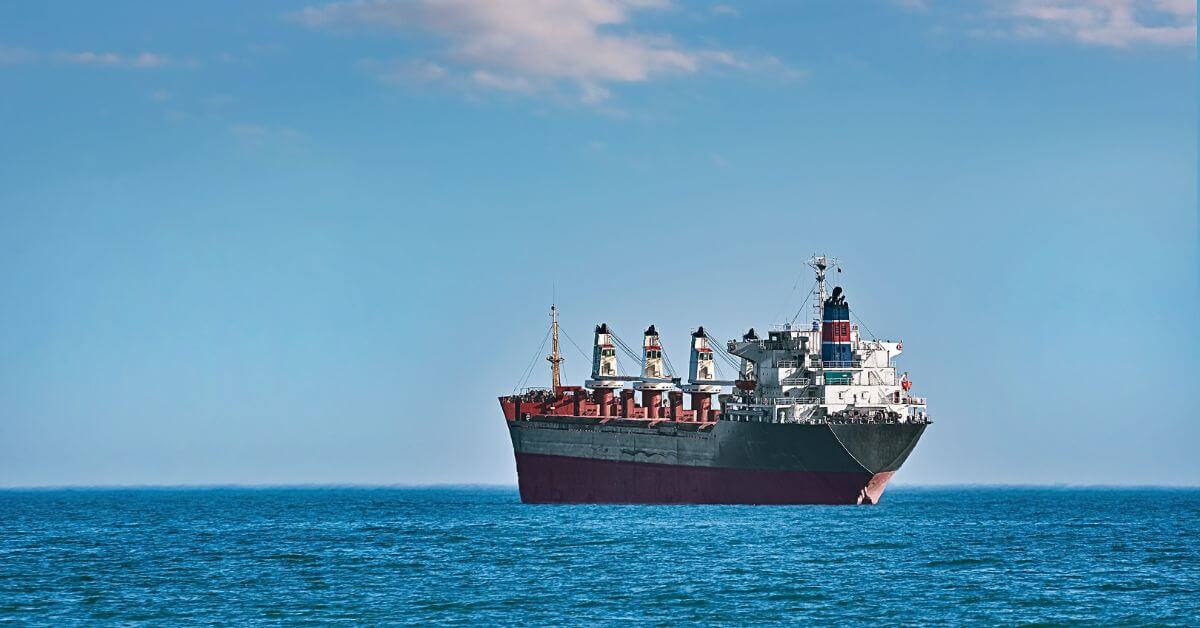
Coast Guard deploys integrated air-sea assets for stranded bulk carrier crew
A helicopter and a vessel are not enough when a crew is stranded at sea. The Coast Guard deployed an integrated air-sea response, including an Offshore Patrol Vessel, to reach the bulk carrier. This layered, calibrated approach, matching assets to the specific emergency, reflects a measured capability that prioritizes human life. For deeper insight into maritime reach, see our coverage of *New patrol vessel INS Srishti strengthens India's maritime observation capacity*. Speed and coordination define effective ocean stewardship.
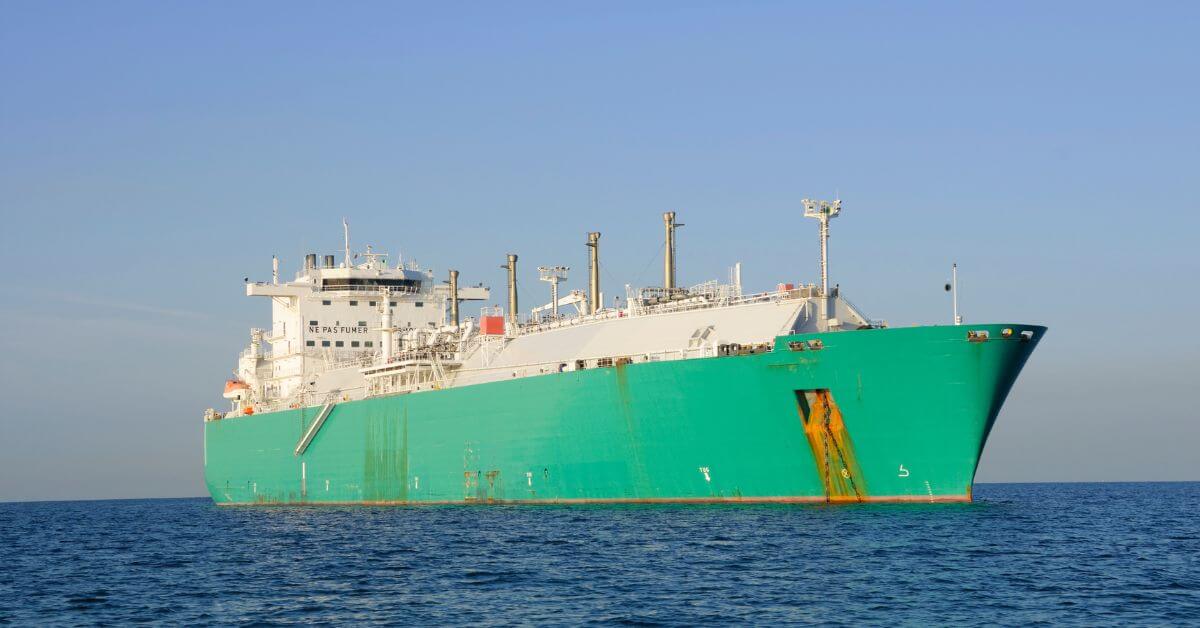
Negotiations Clear Strait of Hormuz for LNG Delivery to Pakistan
A Qatar-loaded LNG tanker has cleared the Strait of Hormuz and is now bound for Pakistan, following a negotiated arrangement with Iran. The delivery signals progress in a waterway where diplomatic friction has repeatedly threatened energy flows. For Pakistan, the cargo is more than a shipment; it is a test of whether phased talks can translate into reliable supply.

Loss of Steering Preceded Container Ship Grounding in India
A loss of steering preceded the grounding of a container ship in India, with a local official noting that steering gear can occasionally jam when a vessel attempts to recover from a turn. The incident underscores how mechanical precision remains critical in confined waters, where recovery margins are slim. Reliable steering is not a given; it is a safety prerequisite. For broader context on maritime risks, our related coverage on the Gulf of Oman STS transfers offers useful perspective on regional operational pressures.

Red Sea Tensions Rise: Houthis Report Strike on Saudi Vessel
The latest Houthi claim of a strike on a Saudi vessel lands with familiar weight, arriving just days after a missile attack killed six crew members aboard the cargo ship *Tihamah* in the Bab al-Mandeb Strait. Each incident tightens the knot on maritime security, and the pattern is measurable. These are not isolated provocations; they are pressure points on a route that sustains global trade.