JMIC
World Data Ocean keeps JMIC in one place: 5 stories so far. The section currently leads with “US maritime advisory flags ship-to-ship transfers as blockade evasion risk”, “Weekly tanker strikes near Strait of Hormuz reach highest count in years”, and “Delayed reports confirm five IRGC vessel incidents in the Strait of Hormuz”. The new US CENTCOM advisory is precise: ships that receive Iranian-loaded cargo through ship-to-ship transfers may be treated as blockade evaders, risking boarding or seizure. Twelve attacks on oil, LNG, and LPG tankers near the Strait of Hormuz in a single week mark the highest count in years, a measurable escalation in maritime risk. A Global Hub for Ocean Intelligence 4 World Data Ocean is a centralized digital platform where researchers, scientists, and ocean enthusiasts converge to… The list below is every JMIC story on World Data Ocean, newest first.
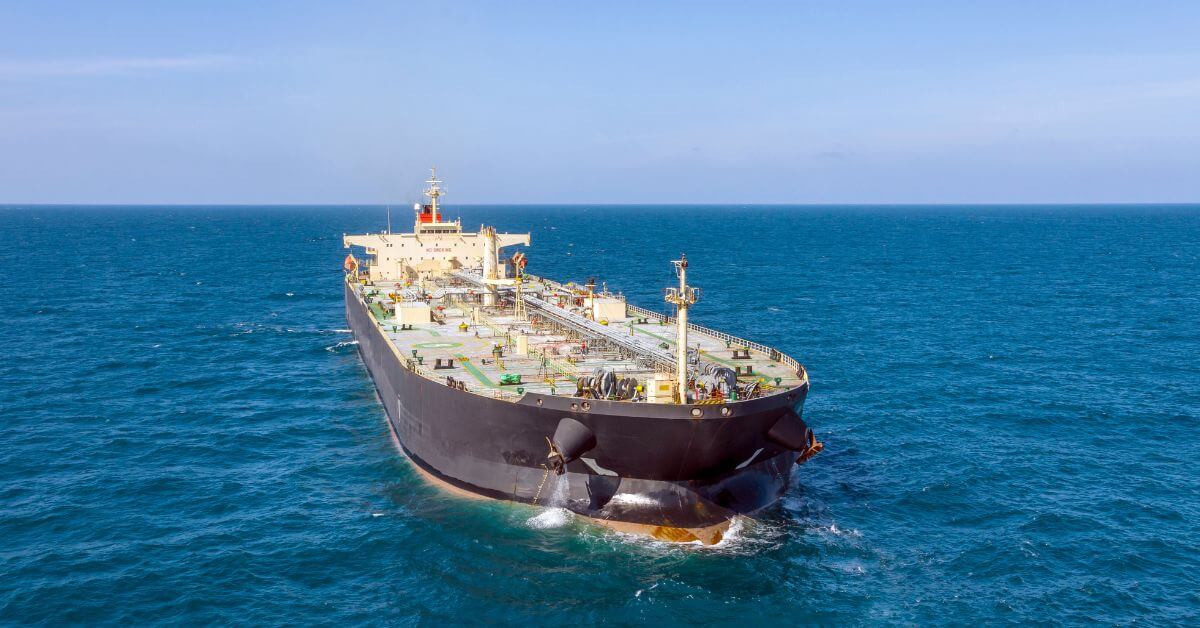
US maritime advisory flags ship-to-ship transfers as blockade evasion risk
The new US CENTCOM advisory is precise: ships that receive Iranian-loaded cargo through ship-to-ship transfers may be treated as blockade evaders, risking boarding or seizure. This is not a vague warning, it is a calibrated escalation in maritime enforcement. The logic is measurable and grounded in empirical risk. For context on the shifting naval posture, see our related coverage of "Carrier Presence Shifts as Middle East Naval Posture Reduces to Two Vessels." Understanding these integrated threats is the first step toward navigating them.
Weekly tanker strikes near Strait of Hormuz reach highest count in years
Twelve attacks on oil, LNG, and LPG tankers near the Strait of Hormuz in a single week mark the highest count in years, a measurable escalation in maritime risk. These are not isolated incidents; they are part of a broader pattern of aggression that demands empirical attention. For deeper context on the region's reliability, see our related coverage on verified transit data that counters Iranian claims of closure. Understanding these attacks requires calibrated, real-time intelligence, not alarm.
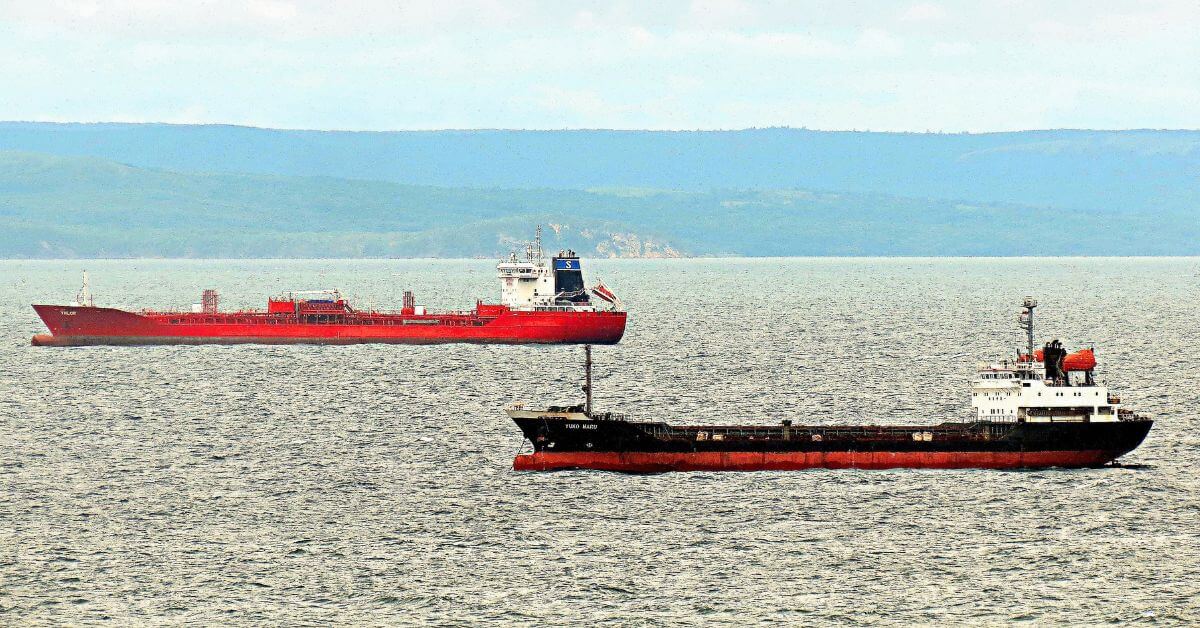
Delayed reports confirm five IRGC vessel incidents in the Strait of Hormuz
Five separate incidents involving IRGC vessels in the Strait of Hormuz were only confirmed after delayed reports reached the UKMTO on October 5, three of them dating back to October 3-4. This lag in reporting raises questions about transparency in one of the world's most critical maritime chokepoints. For broader context on regional maritime shifts, see our coverage of the calibrated movement of 2 million barrels of crude beyond the Strait. Understanding these patterns is essential.
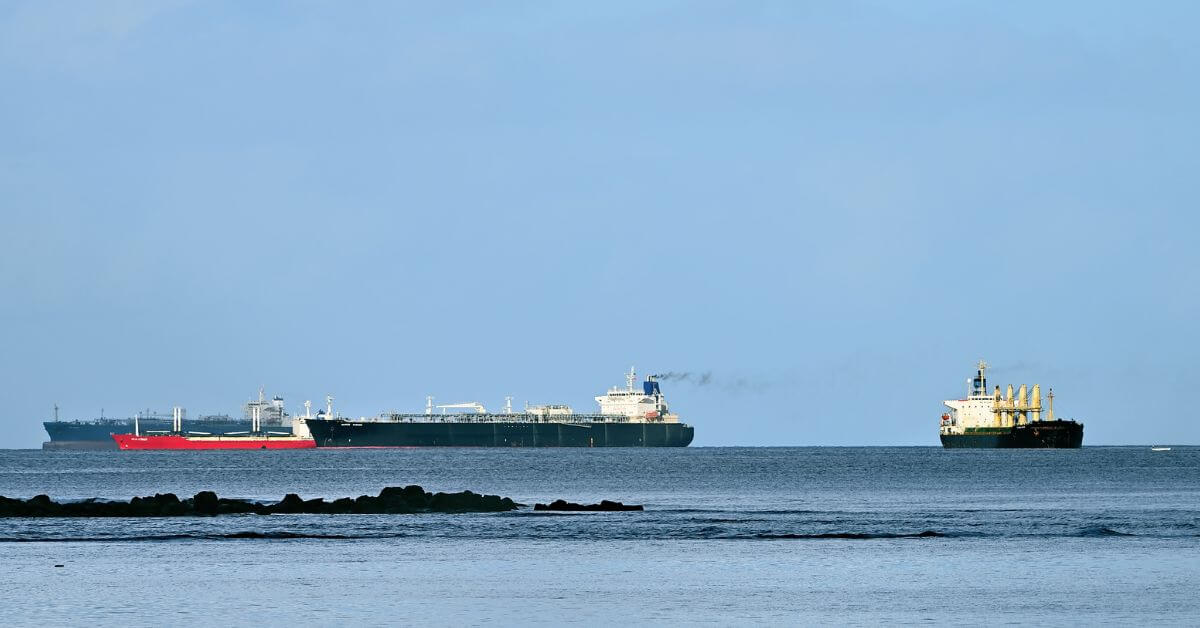
Strait of Hormuz Incidents Prompt Inquiry Into Tanker Impacts
Two tankers were struck by an unknown projectile or debris in the Strait of Hormuz on Monday, reigniting questions about the vulnerability of commercial shipping in one of the world's most vital waterways. The incident demands empirical scrutiny, not speculation, as we assess the measurable risks to vessels and crews. This is precisely why our coverage, including the recent report on Gulf of Oman STS transfers maxing out, must remain grounded in validated, real-time data.

Somali Hijacking: Status of Crew on Cargo Ship Lutuf Unconfirmed
The confirmed hijacking of the cargo ship *Lutuf* off Somalia's coast, as reported by the UKMTO, leaves the crew's status unresolved. For those of us tracking maritime security, this silence is the most pressing detail. The uncertainty underscores how fragile safe passage remains in these waters. While diplomatic efforts focus on chokepoints like the Strait of Hormuz, as our coverage of the phased negotiations suggests, the Indian Ocean's own risks demand equal attention. We will keep a close watch on developments.