interceptor
3 stories filed under interceptor on World Data Ocean. The newest of them: “U.S. Navy to Field Army's PAC-3 MSE Interceptor on Warships by 2029”, “A Validated Milestone in Allied Naval Defense: 1,000th ESSM Block 2 Delivered”, and “Tracing plastic from 1,000 rivers to nearly 80% of ocean emissions”. The U.S. The 1,000th Evolved SeaSparrow Missile Block 2 has been delivered to the U.S. A Global Hub for Ocean Intelligence 4 World Data Ocean is a centralized digital platform where researchers, scientists, and ocean enthusiasts converge to… The list below is every interceptor story on World Data Ocean, newest first.
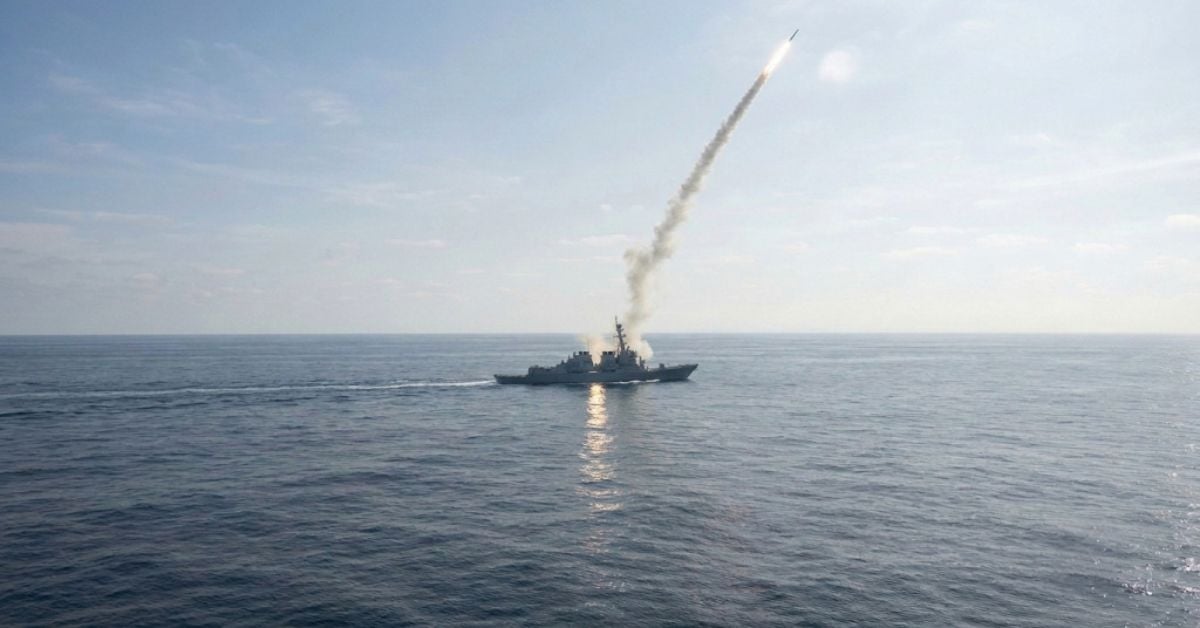
U.S. Navy to Field Army's PAC-3 MSE Interceptor on Warships by 2029
The U.S. Navy will integrate the Army's PAC-3 MSE interceptor onto warships by 2029, a move that expands combat capability through cross-service interoperability. This is not merely a hardware swap. It represents a calibrated response to evolving maritime threats, where validated, real-time defense systems matter most. Understanding drives protection. For deeper context on allied naval modernization, see our coverage of the 1,000th ESSM Block 2 delivery, a parallel milestone in integrated fleet defense.
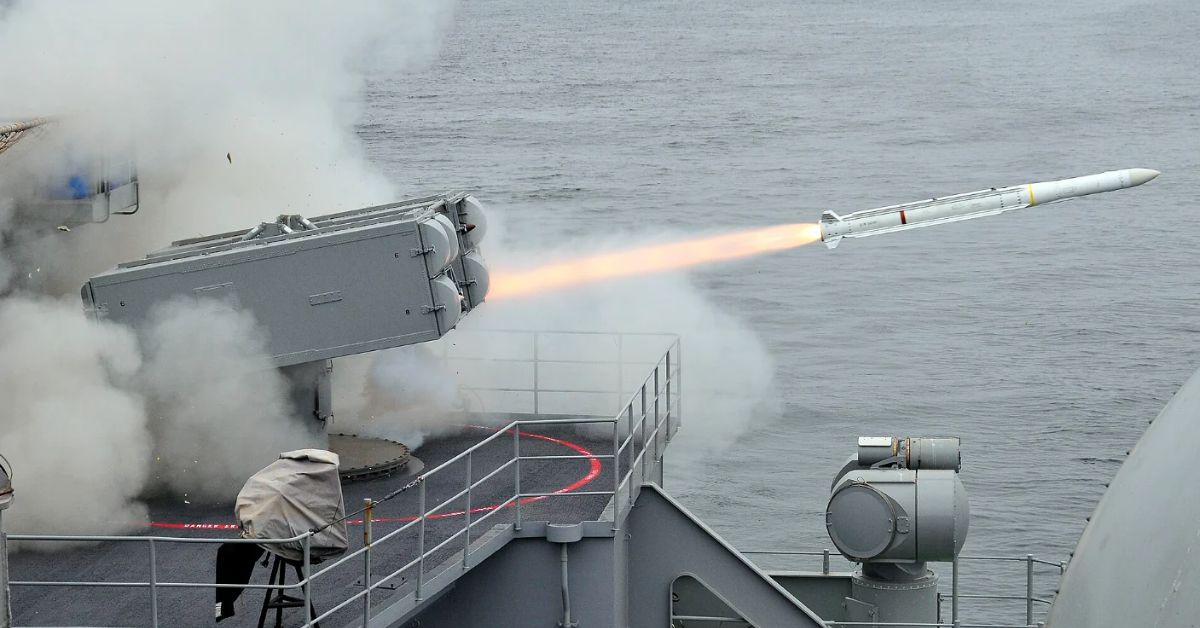
A Validated Milestone in Allied Naval Defense: 1,000th ESSM Block 2 Delivered
The 1,000th Evolved SeaSparrow Missile Block 2 has been delivered to the U.S. Navy, marking a validated milestone for the NATO SEASPARROW consortium. This is not just a production number; it is a measurable leap forward in allied naval defense. Each missile represents integrated, peer-reviewed engineering designed for real-time maritime threats. For deeper context on how naval operations are adapting, see our coverage of how deployments now extend to 11 months, reshaping operational timelines at sea.
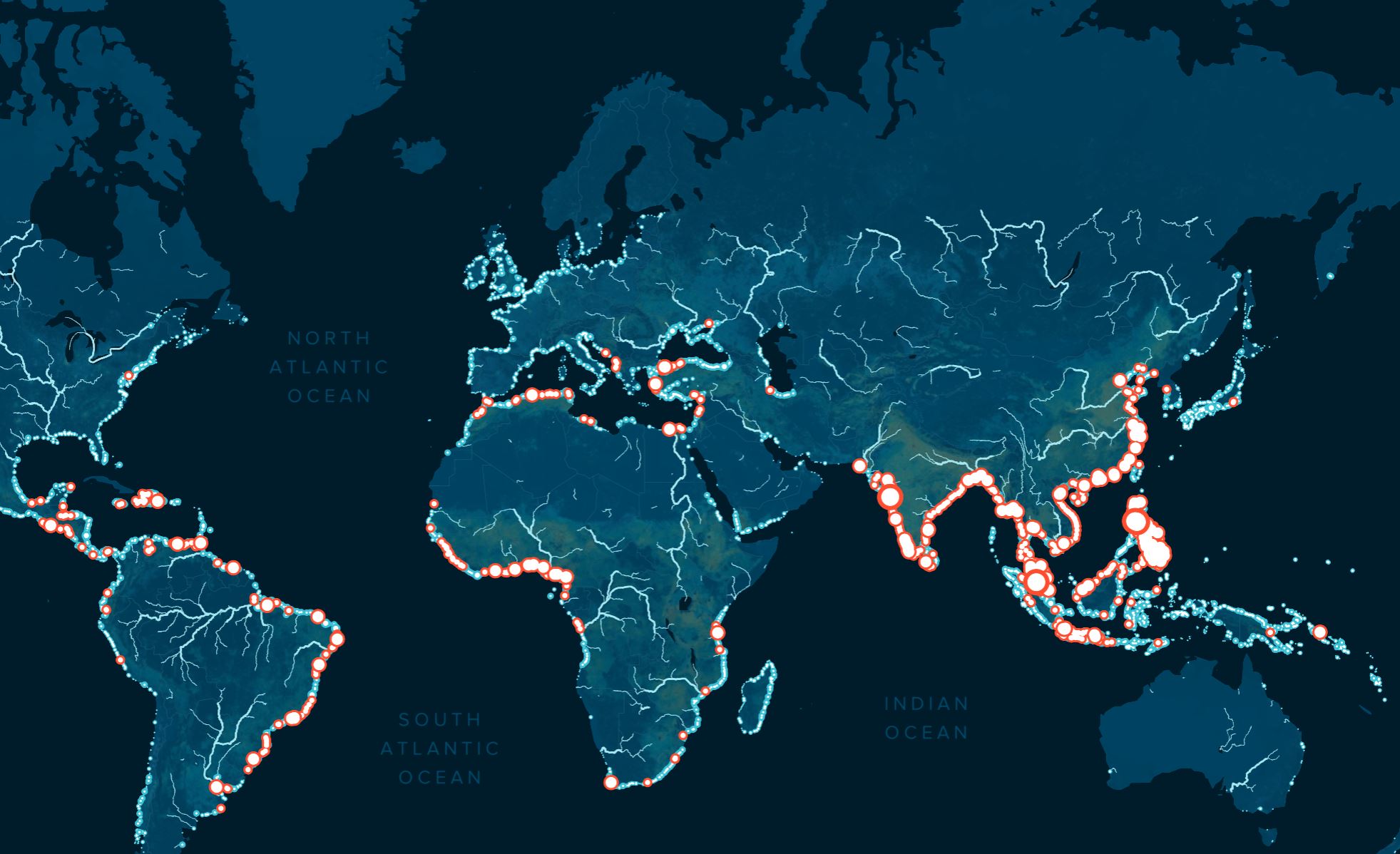
Tracing plastic from 1,000 rivers to nearly 80% of ocean emissions
A thousand rivers, represented by the red dots on our map, account for nearly 80% of global annual riverine plastic emissions, between 0.8 and 2.7 million metric tons per year. The most polluting among them are small urban rivers. The remaining 20% is spread across 30,000 others, shown in blue. Understanding drives protection; this empirical, peer-reviewed data gives us a measurable starting point for action. For deeper context, see our piece on how ocean data calibrates the energy transition, published with the World Economic Forum.