imports
3 stories filed under imports on World Data Ocean. The newest of them: “Seoul Disputes Ukrainian Data on Fuel Shipments to Russia”, “U.S. Ports See Continued Strength with 1.88M TEUs Moved in August”, and “Geopolitical Tensions Rise as Iranian Leader Addresses Regional Security.”. Seoul disputes the numbers, but Ukraine's claim stands unresolved: over 176,000 tonnes of petroleum products reportedly moved from South Korean ports to Russia across July and August. August's throughput of 1.88 million TEUs marks a 2% gain over last year, landing the port its fifth-busiest month in 115 years. A Global Hub for Ocean Intelligence 4 World Data Ocean is a centralized digital platform where researchers, scientists, and ocean enthusiasts converge to… The list below is every imports story on World Data Ocean, newest first.
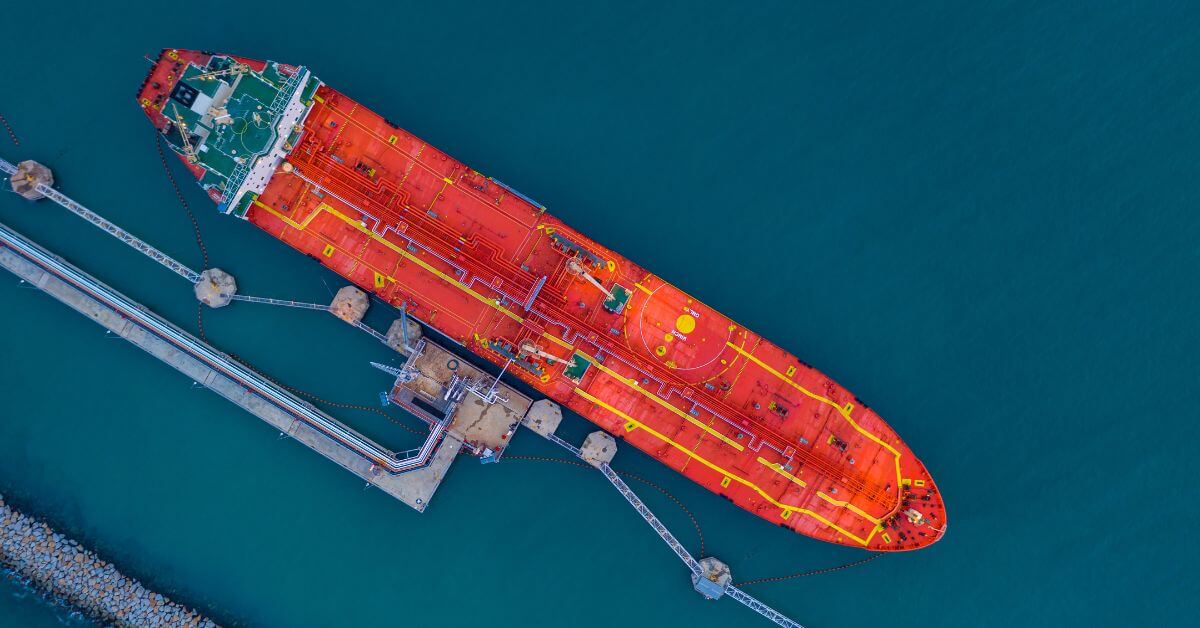
Seoul Disputes Ukrainian Data on Fuel Shipments to Russia
Seoul disputes the numbers, but Ukraine's claim stands unresolved: over 176,000 tonnes of petroleum products reportedly moved from South Korean ports to Russia across July and August. If accurate, the flow raises hard questions about how sanctioned goods continue moving through allied supply chains. The data matters, and so does the transparency gap. For broader context on maritime risk, our coverage of the Black Sea incident offers a parallel look at how quickly commercial shipping can turn volatile.
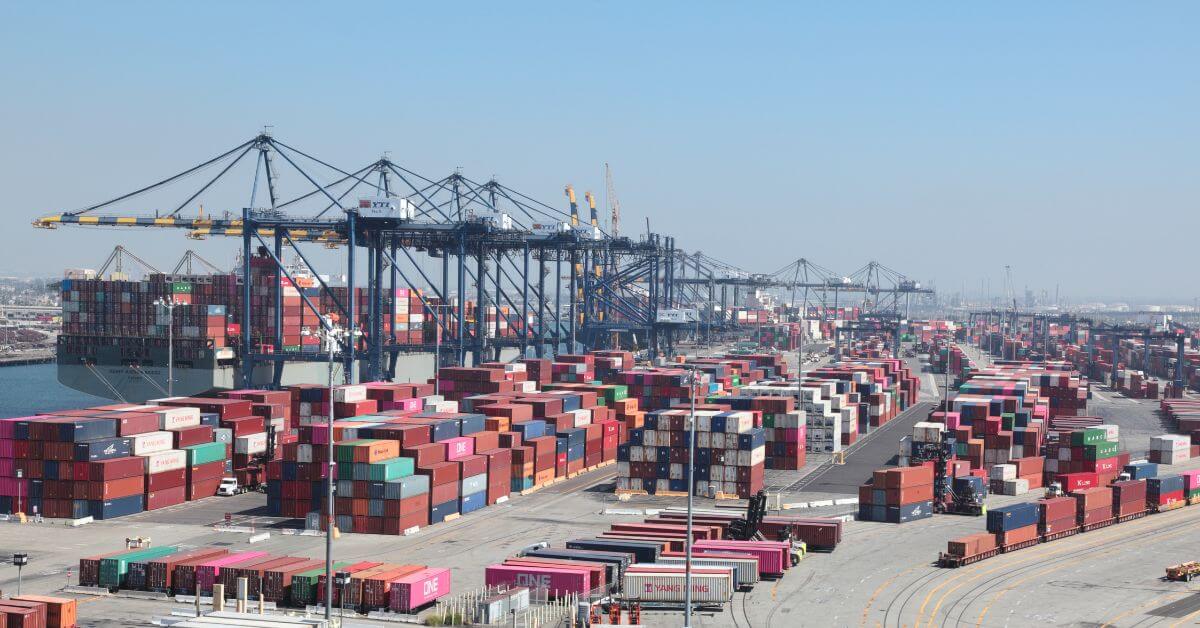
U.S. Ports See Continued Strength with 1.88M TEUs Moved in August
August's throughput of 1.88 million TEUs marks a 2% gain over last year, landing the port its fifth-busiest month in 115 years. Consistency like this signals more than resilience; it reflects a data-driven logistics ecosystem operating at scale. Sustained volume at this level supports broader ocean intelligence efforts, from cargo tracking to climate monitoring. For context on how maritime security intersects with these operations, our coverage of Maritime Interdictions Yield 25,000 Pounds of Cocaine underscores the layered realities of ocean stewardship.
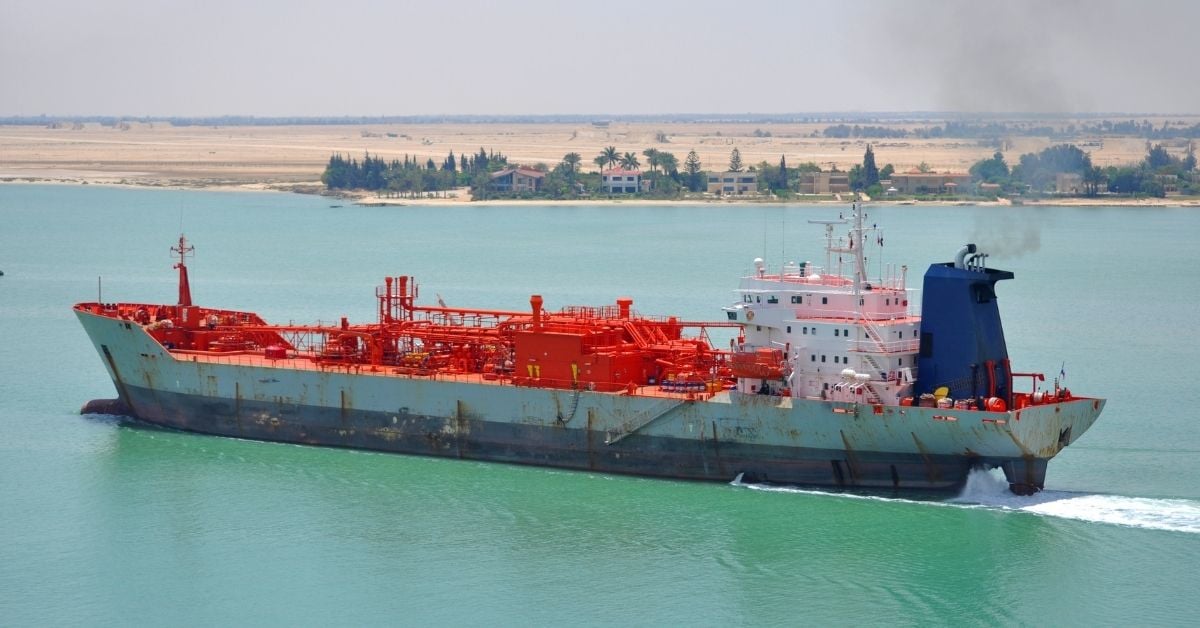
Geopolitical Tensions Rise as Iranian Leader Addresses Regional Security.
Iran's Supreme Leader, Mojtaba Khamenei, has called on Muslim nations to identify their "real enemy" and confront it collectively, framing regional security as a shared test of unity. The message is direct, and it carries weight in a region where alliances shift with the current. We see this not as rhetoric alone, but as a signal with measurable consequences.