hydrogen
6 stories filed under hydrogen on World Data Ocean. The newest of them: “Cochin Shipyard Expands Design Capabilities with Conoship Equity Stake”, “Advancing Maritime Standards: A Global Framework for Hydrogen and Smart Ships”, and “Bamboo Solar Platform Tests Sustainable Offshore Energy Solutions”. Cochin Shipyard Limited is acquiring a 23% stake in Conoship International Holding BV, a Dutch ship design and engineering firm. Standards define the next wave of maritime progress, and ABS is helping to set them. A Global Hub for Ocean Intelligence 4 World Data Ocean is a centralized digital platform where researchers, scientists, and ocean enthusiasts converge to… The list below is every hydrogen story on World Data Ocean, newest first.
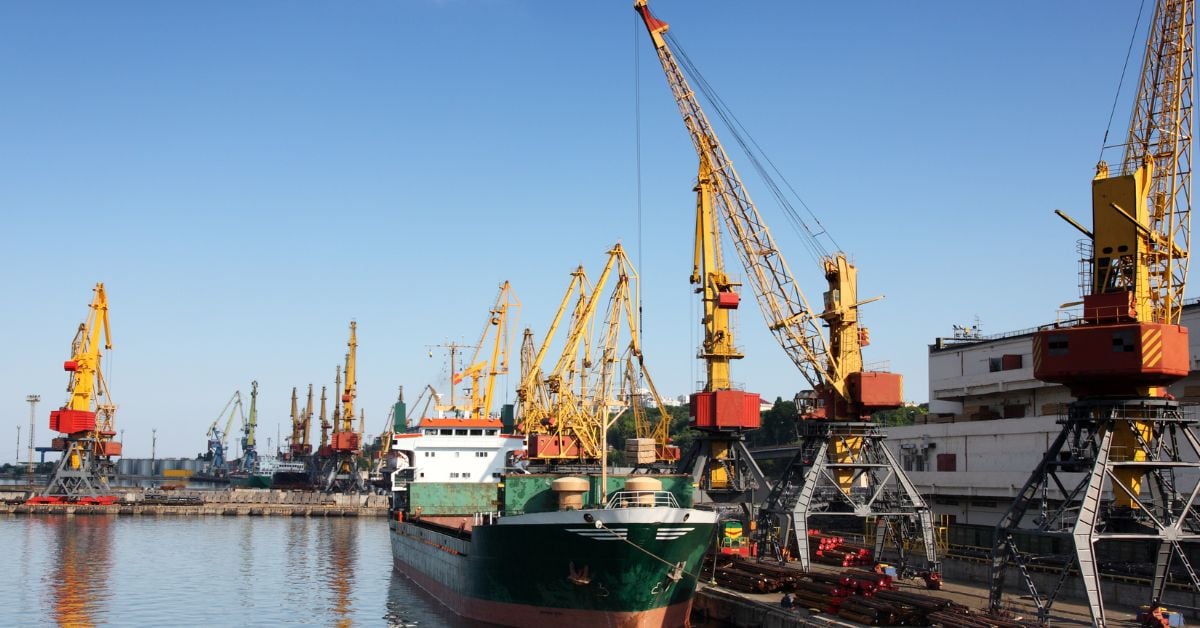
Cochin Shipyard Expands Design Capabilities with Conoship Equity Stake
Cochin Shipyard Limited is acquiring a 23% stake in Conoship International Holding BV, a Dutch ship design and engineering firm. The move signals a deliberate step toward strengthening in-house design capabilities rather than relying solely on external expertise. It is a measured, strategic investment, one that aligns with the yard's long-term ambitions in a competitive global market. Such integration of Dutch engineering knowledge could yield tangible gains in vessel innovation.
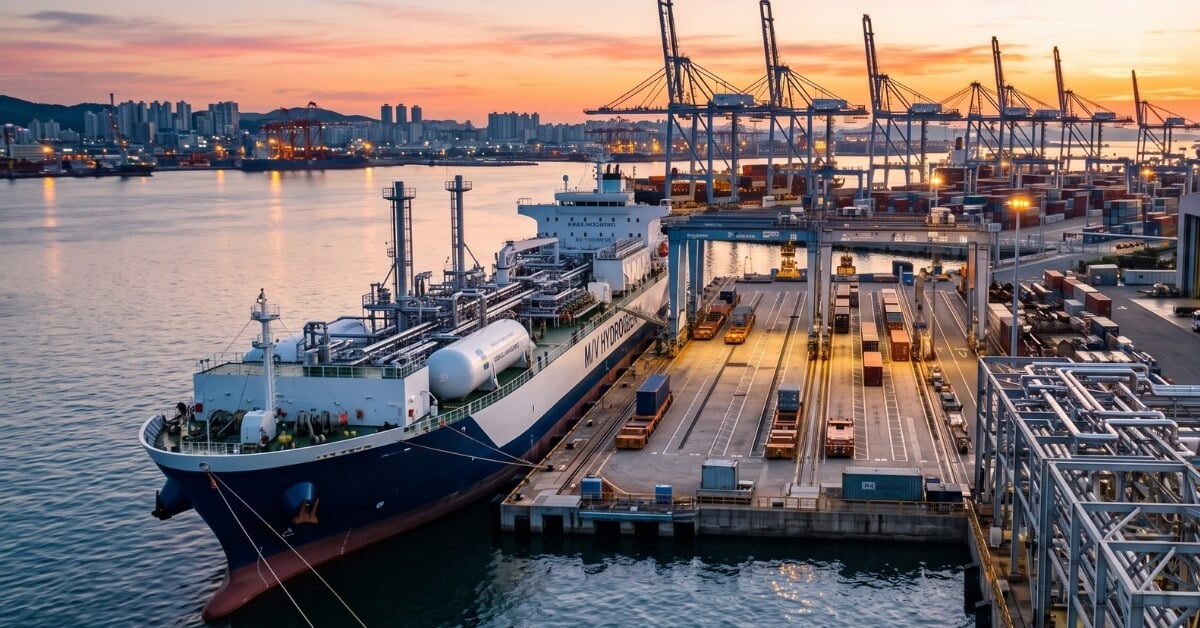
Advancing Maritime Standards: A Global Framework for Hydrogen and Smart Ships
Standards define the next wave of maritime progress, and ABS is helping to set them. The classification society has signed a memorandum of understanding with three Korean maritime organizations to advance international standards for hydrogen-powered and smart ships. This is practical, forward-looking work. Collaboration across borders is how ocean intelligence matures. For broader context on naval growth, our piece on India's expanded fleet offers a useful parallel. But this agreement is about building the framework itself, and that is where lasting impact begins.
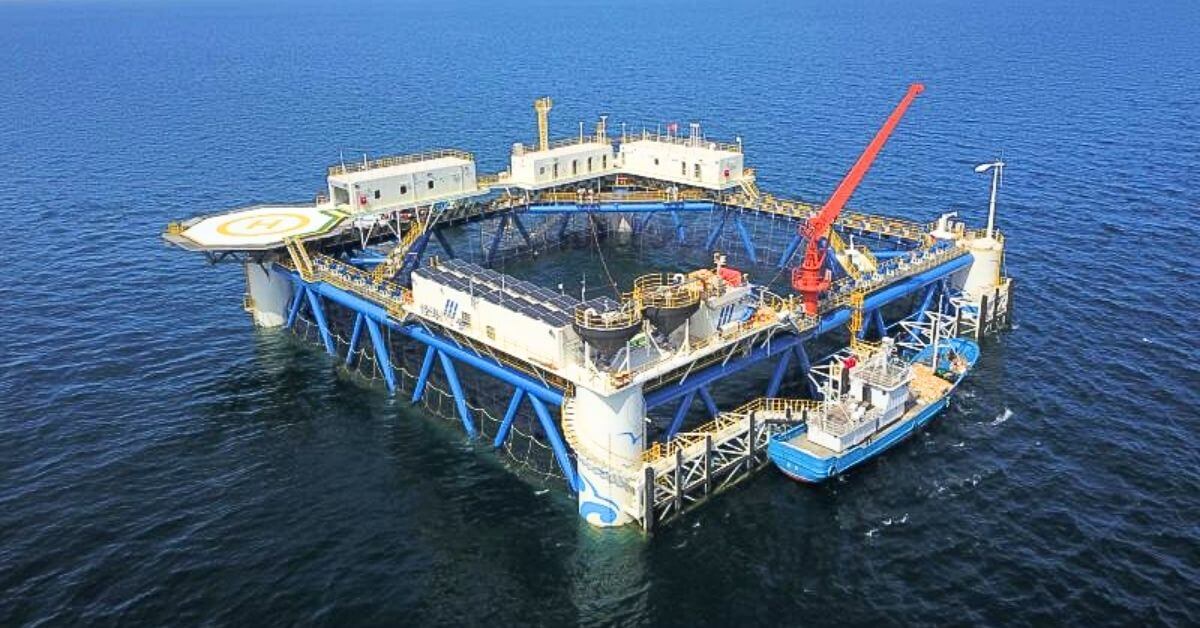
Bamboo Solar Platform Tests Sustainable Offshore Energy Solutions
A new test platform is asking whether bamboo can do what steel and plastic have always done in offshore solar. The design challenges the materials status quo by measuring performance against conventional structures. It is a practical experiment, not a spectacle. If the data holds, it could reshape how we build in marine environments. For more on infrastructure pressures elsewhere, see our coverage of Gulf of Oman STS Transfers Max Out Amid Rising Saudi Oil Exports.

Modeling a Green Shipping Corridor for Sustainable Trade Growth
A 2.2% annual traffic growth rate sounds modest until it meets a decarbonization curve that will not bend. This study models a green shipping corridor linking Shanghai, Jebel Ali, and Koper, and the results are sobering: even with 23 mitigation measures and roughly 86% alternative fuel adoption, net-zero by 2050 remains out of reach. The bunkering stage, not the voyage, is where the system lives or dies. That is the actionable insight. Corridors are not routes; they are integrated transport-energy systems.

Alternative Fuels: UK Shipping Assesses Safety for a Net Zero Transition
Safety is the quiet foundation of shipping's energy transition, and the UK Chamber of Shipping's new report ensures it is not overlooked. The assessment addresses the practical risks of alternative fuels, grounding the net zero shift in empirical, peer-reviewed scrutiny rather than optimism alone. That measured approach matters for an industry where precision is non-negotiable. For those tracking how such operational data integrates with broader ocean intelligence, our related piece on bridging data gaps through citizen science offers a useful complement to this safety-first perspective.
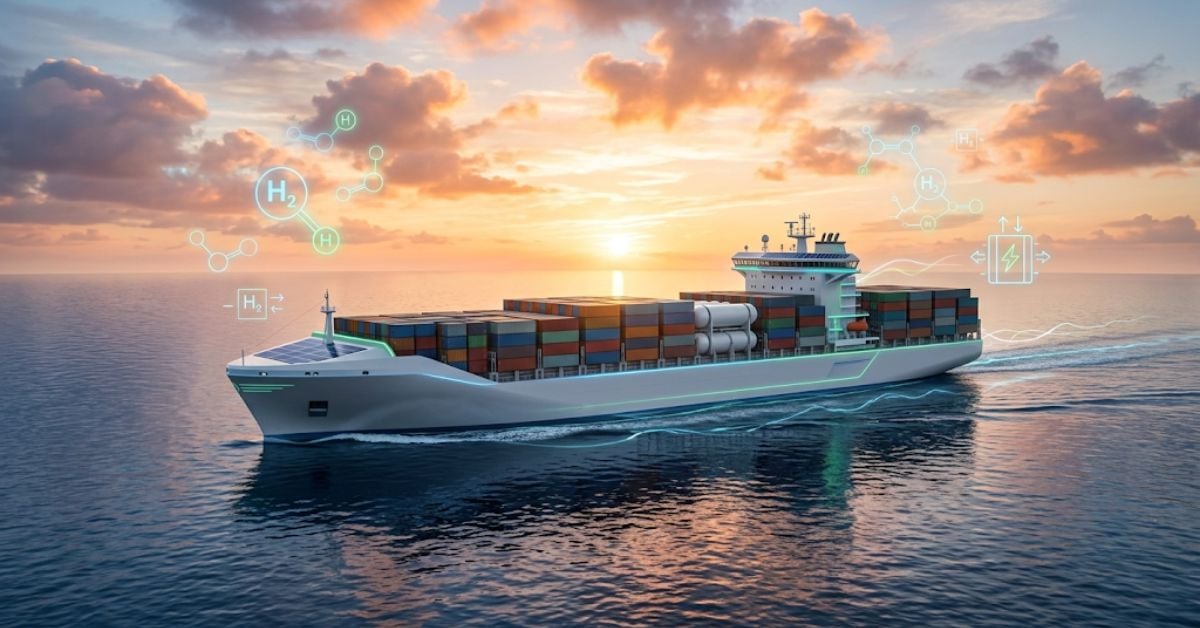
Fuel Cells Chart a Course for Decarbonizing Maritime Shipping
Fuel cells are moving from the laboratory to the load plan. As FuelEU Maritime regulations tighten, the technology is shifting from a promising concept to a commercial reality. We see this as a practical, flexible pathway for cutting emissions across the fleet. The maritime sector needs actionable solutions, and this is one that warrants close attention. For broader context on how these pressures intersect, our coverage of Integrated Ocean Governance offers a wider lens on the challenges ahead.