grain
11 stories filed under grain on World Data Ocean. The newest of them: “Drone strikes in Black Sea sink freighter, crew remains missing”, “150 vessels idle in Gulf of Finland as Baltic maritime traffic bottlenecks”, and “Captain of Russian-controlled bulker charged over 54,000 tonnes of Ukrainian grain”. A cargo ship has sunk in Bulgaria's exclusive economic zone after drone strikes hit two commercial vessels in the Black Sea, leaving the crew missing. Nearly 150 vessels sit idle in the Gulf of Finland, a maritime bottleneck gripping Baltic traffic to Russian ports such as Ust-Luga, Primorsk, and St Petersburg. A Global Hub for Ocean Intelligence 4 World Data Ocean is a centralized digital platform where researchers, scientists, and ocean enthusiasts converge to… The list below is every grain story on World Data Ocean, newest first.
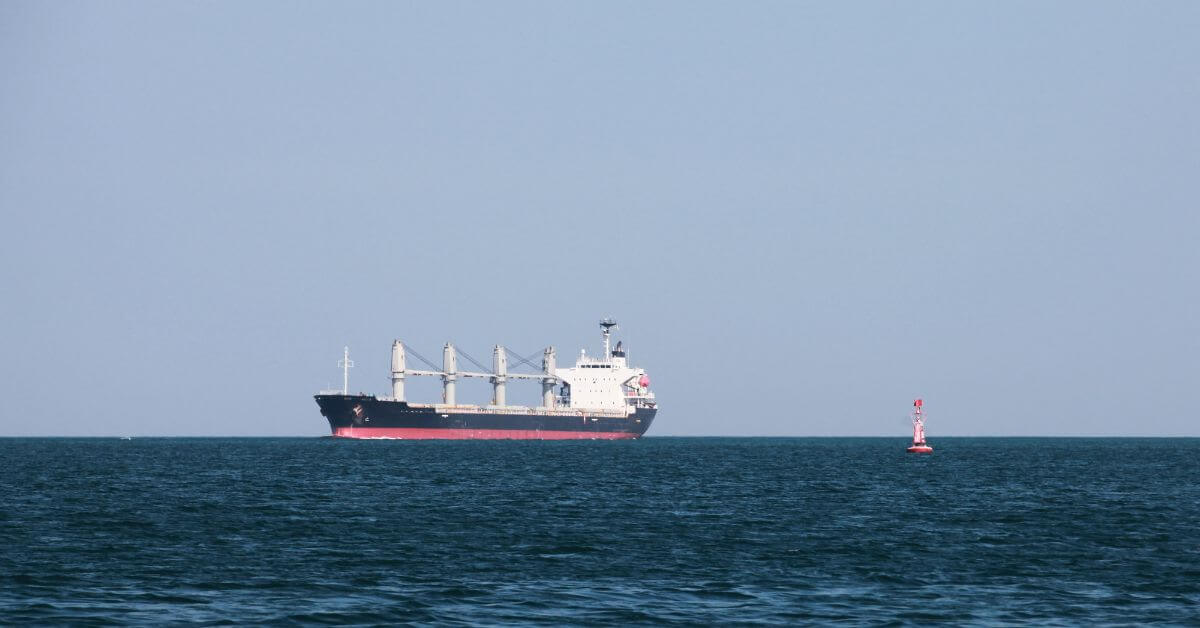
Drone strikes in Black Sea sink freighter, crew remains missing
A cargo ship has sunk in Bulgaria's exclusive economic zone after drone strikes hit two commercial vessels in the Black Sea, leaving the crew missing. This is not an isolated incident. A Liberian-flagged oil tanker carrying Indian crew members recently caught fire off Russia's coast near Sochi. The pattern is measurable and troubling. Maritime safety faces new, uncalibrated threats. For deeper context, read our article "Black Sea incident raises urgent questions on maritime safety and climate risk.
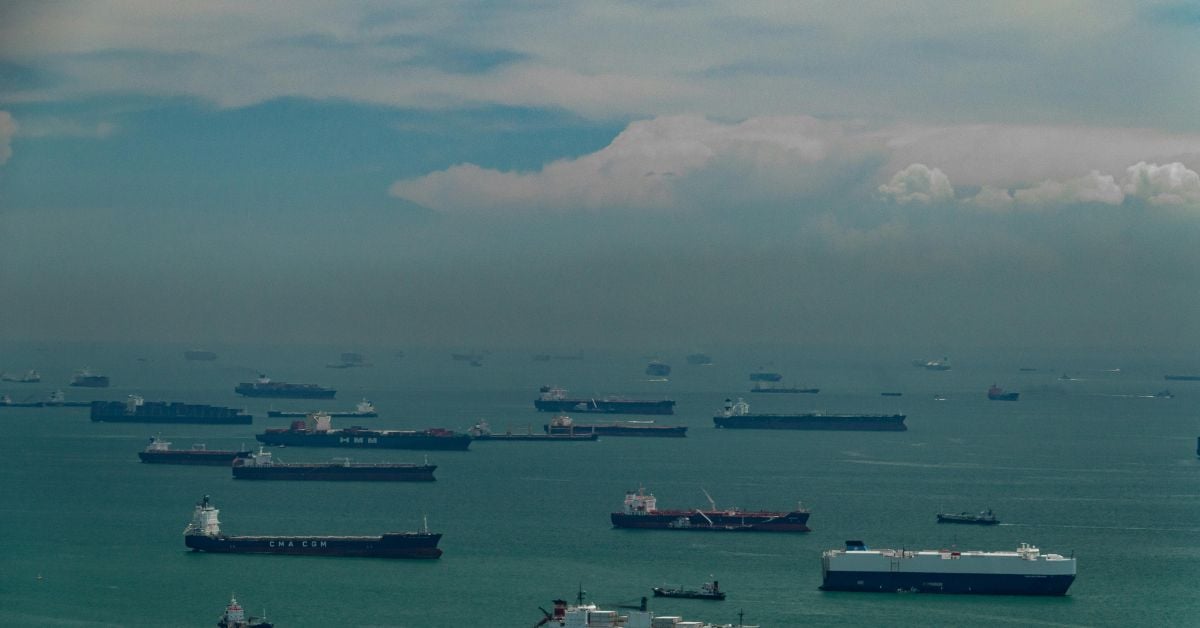
150 vessels idle in Gulf of Finland as Baltic maritime traffic bottlenecks
Nearly 150 vessels sit idle in the Gulf of Finland, a maritime bottleneck gripping Baltic traffic to Russian ports such as Ust-Luga, Primorsk, and St Petersburg. This congestion is more than a logistical snag, it is a measurable disruption in a region already under scrutiny. Such real-time bottlenecks carry empirical weight as climate and geopolitical indicators. For deeper context on maritime security, see our coverage of the captain charged over Ukrainian grain. Understanding these pressures drives protection of both trade and ocean intelligence.
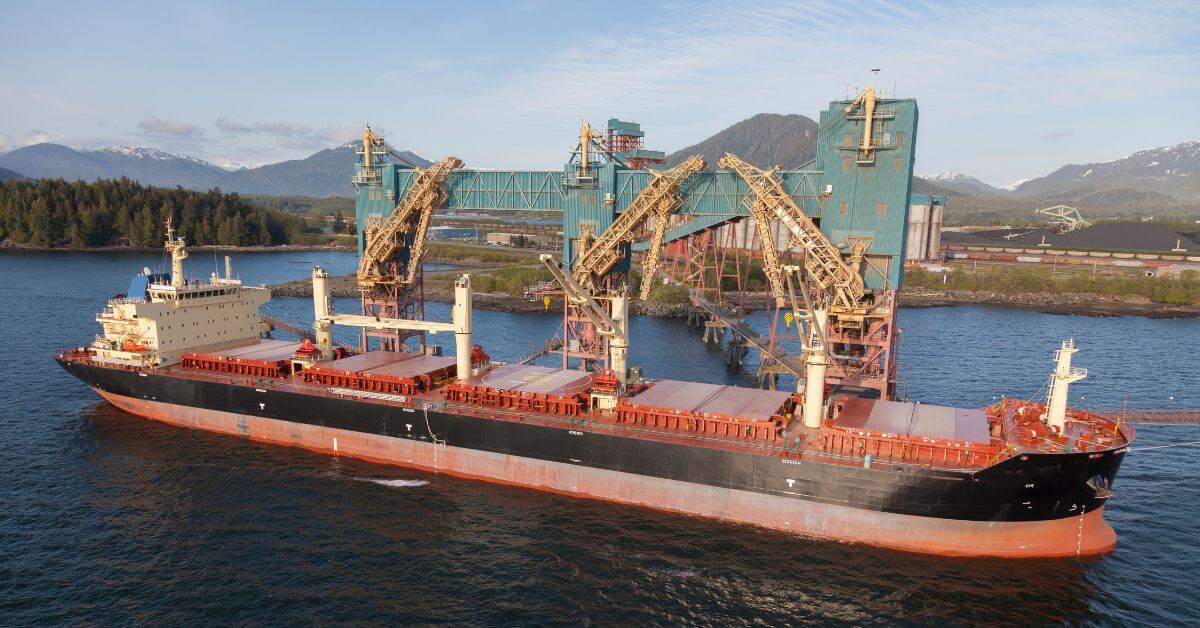
Captain of Russian-controlled bulker charged over 54,000 tonnes of Ukrainian grain
The captain of a Russian-controlled bulker now faces charges in Ukraine over the alleged transport of 54,000 tonnes of Ukrainian grain. This is not merely a shipping dispute; it is a measurable act within a larger pattern of resource exploitation. Accountability must be calibrated to the scale of the crime. For broader context on maritime accountability, see our coverage of the *June Aster* ferry fire tragedy, where a captain also faces criminal charges.
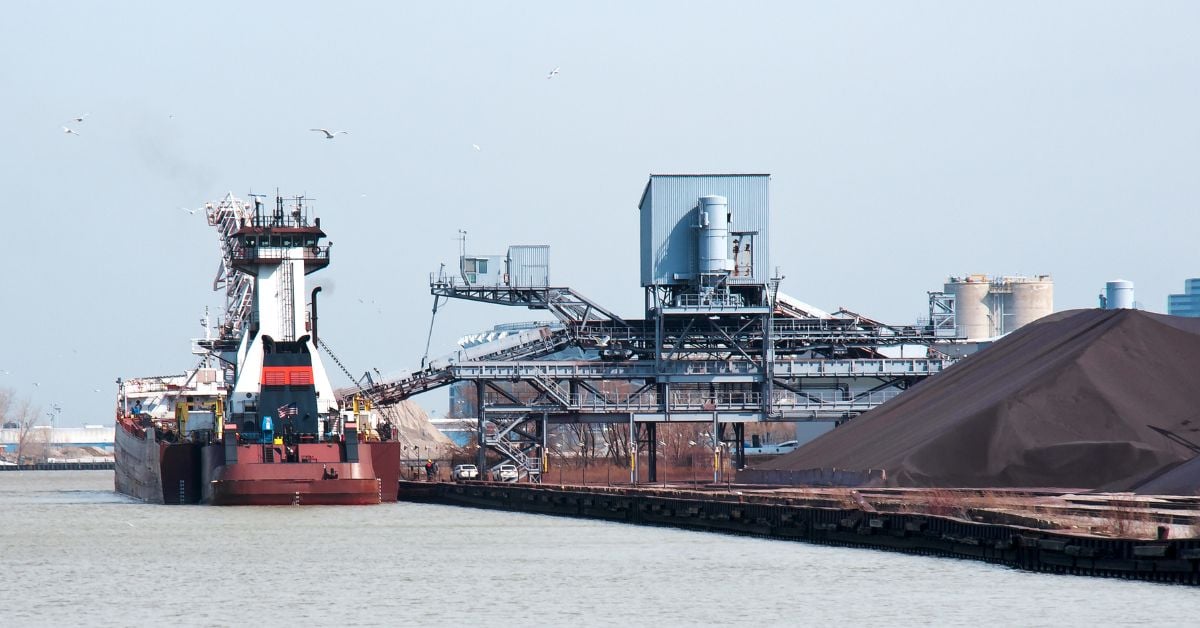
Shifting Cargo: Russian Terminals Adapt for Grain Export Surge
The Baltic and Arctic terminals that once moved fertiliser and coal are now turning to grain, a pragmatic response to shifting export demands. It is a quiet recalibration of infrastructure, and one that speaks to how quickly trade flows can redirect. Russia is adapting its logistics to stay competitive, and that flexibility is worth watching. For broader context on how export routes are evolving, our piece on Russia Calibrates Export Revenue for the Northern Sea Route Icebreaker Fleet offers a useful parallel.
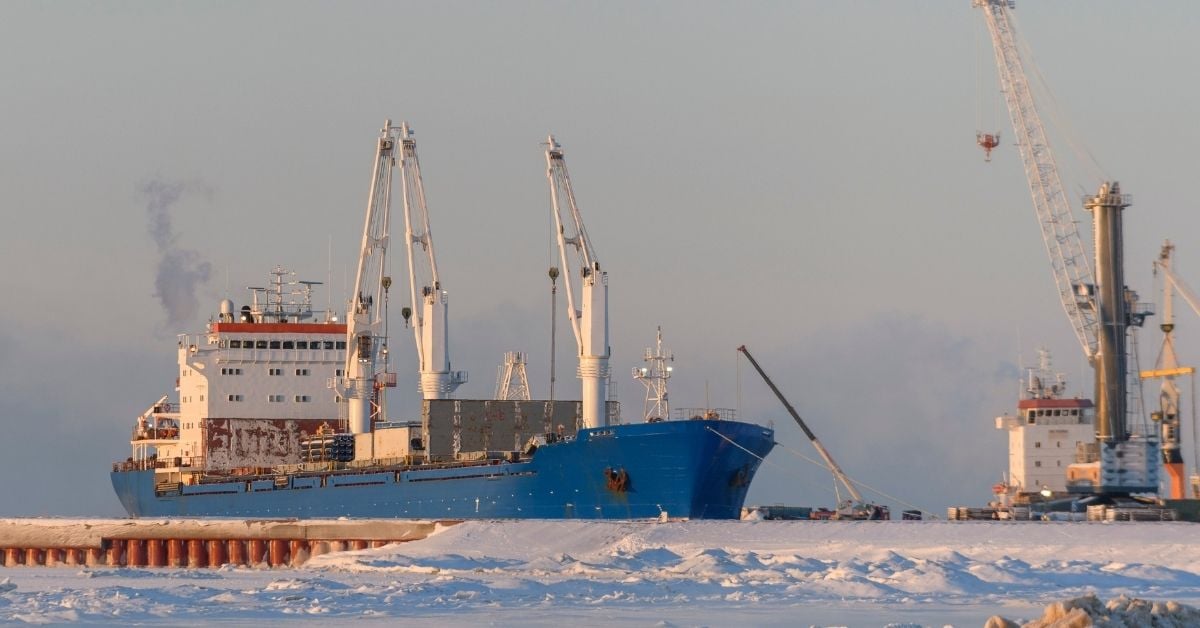
Canadian Grain Resumes European Shipping Via Churchill Port After Six-Year Hiatus
Thirty thousand tonnes of durum wheat now sit aboard a vessel bound for Europe, the first such departure from Churchill, Manitoba, in six years. This resumption of Canadian grain shipping through the Port of Churchill signals a practical return to a vital Arctic corridor. It is a measured step, but a telling one for northern logistics. For broader context on shifting Arctic trade routes, our coverage of the Vostok Project's Arctic oil exports offers a parallel view.

Black Sea Grain Shipments Limited as Truce Proposal Fails.
The Black Sea Grain Shipments Limited's collapse, following the failed truce, leaves Ukraine's agricultural lifeline critically constrained. Since August, only 500,000 tonnes have moved, a mere fifth of what could ship. This is not a stalemate; it is a calibrated strangulation. The measured volume signals deliberate pressure, not logistical failure. While Russia calibrates its own maritime leverage elsewhere, as our piece on Northern Sea Route icebreaker funding shows, the immediate cost here is global food security.

Drone Strikes Target Bulk Carrier Near Novorossiysk, Sparking Fire.
A Greek-owned bulk carrier is burning near Novorossiysk after at least five drones struck the vessel as it approached to load grain. The attack, which ignited flames aboard the ship, underscores how maritime routes are becoming active fronts in this conflict. The targeting of commercial shipping is a serious escalation with global implications for food security and navigation. This incident echoes the patterns detailed in our related coverage, "Russia Calibrates Export Revenue for Northern Sea Route Icebreaker Fleet," highlighting Moscow's broader maritime strategy.

Salvage Successful: Grounded Vessel Onego Otra Freed from St. Lawrence.
After nearly four weeks aground in the St. Lawrence River, the general cargo ship Onego Otra has been successfully refloated and towed to port for inspection. The operation closes a tense chapter with the kind of measured, coordinated response that defines effective maritime recovery. The vessel's freedom is a practical win for navigation safety, though full clearance will depend on what inspectors find. For readers tracking similar challenges, our coverage of the bulk carrier freed near Gladstone, Australia, offers useful comparison.

Black Sea Shipping Risks: India Urges Crew to Prioritize Safety Assessments
Five Indian crew deaths since April have made one thing clear: the Black Sea's commercial routes now carry a security calculus that outweighs any wage premium. India's advisory urging seafarers to conduct rigorous risk assessments before accepting such postings is measured, practical, and overdue. Safety must anchor every employment decision in these waters. For those navigating this volatile region, preparation is protection.

Disrupted Shipping Impacts Ukraine’s Vital Agricultural Exports.
The disruption of Ukraine's agricultural exports cuts to the heart of its wartime economy. These shipments are not merely cargo; they are a vital source of hard currency sustaining the nation through conflict that has raged since 2022. Every delayed vessel compounds the pressure. This is a measurable cost in a war defined by economic endurance. For deeper context on Russia's broader maritime strategy, our related report, "Russia Calibrates Export Revenue for Northern Sea Route Icebreaker Fleet," offers useful perspective.

Fatal Strike Highlights Risks to Maritime Trade in the Indian Ocean
The first fatal strike on Indian merchant seafarers since 2022 sharpens the risk calculus across the Indian Ocean's vital shipping lanes. This attack is not an isolated incident; it signals a troubling escalation with direct consequences for global trade. We view this as a stark reminder that maritime security is fragile and demands integrated data ecosystems to track threats. For a broader perspective on regional instability, our piece on phased negotiations to ease Strait of Hormuz restrictions offers valuable context.