Gastech
Gastech at World Data Ocean is a file of 4 stories. The newest of them: “Optimal LNG Carrier Design: Boosting Capacity, Reducing Costs”, “Validating Onboard Emissions Data: A Trial for LNG Shipping.”, and “Advancing Sustainable Shipping: Ethanol-Fuelled Tanker Project Gains Momentum”. A 200,000m³ LNG carrier can move more gas per voyage without sacrificing access to the terminals that matter most. A new LNG carrier will soon test whether continuous emissions monitoring systems can match established data standards. A Global Hub for Ocean Intelligence 4 World Data Ocean is a centralized digital platform where researchers, scientists, and ocean enthusiasts converge to… The list below is every Gastech story on World Data Ocean, newest first.
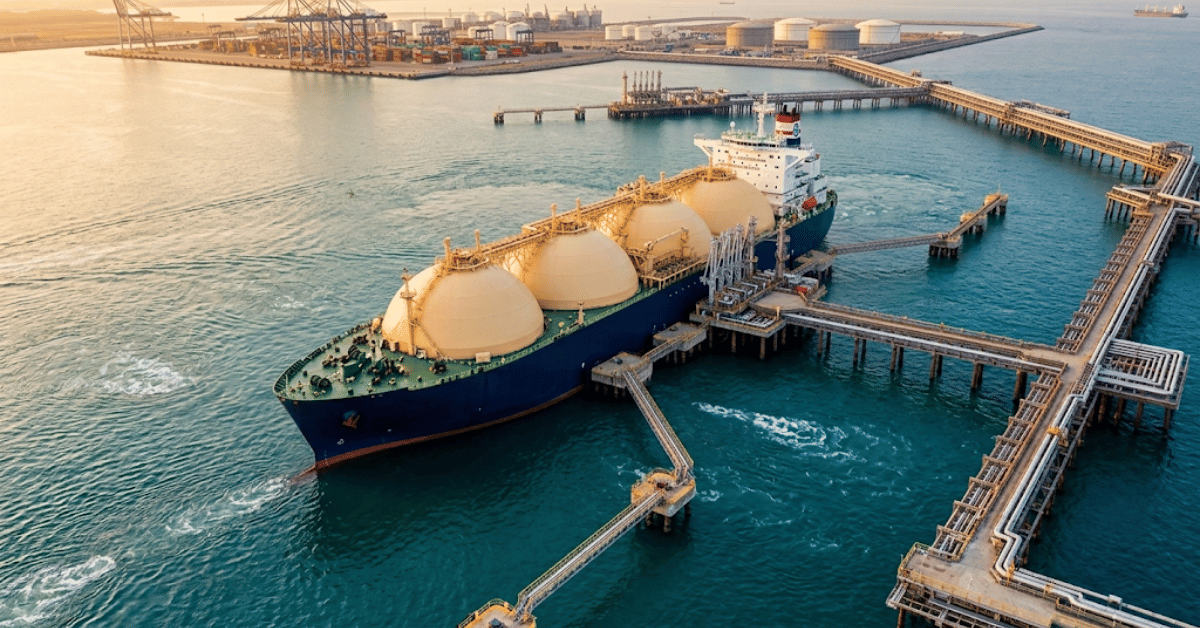
Optimal LNG Carrier Design: Boosting Capacity, Reducing Costs
A 200,000m³ LNG carrier can move more gas per voyage without sacrificing access to the terminals that matter most. LR's analysis shows that this larger capacity directly reduces unit transport costs while staying compatible with the majority of existing infrastructure. That is practical efficiency, not speculative ambition. For readers tracking how maritime logistics adapt under pressure, our piece on Gulf of Oman STS transfers maxing out offers a useful parallel.
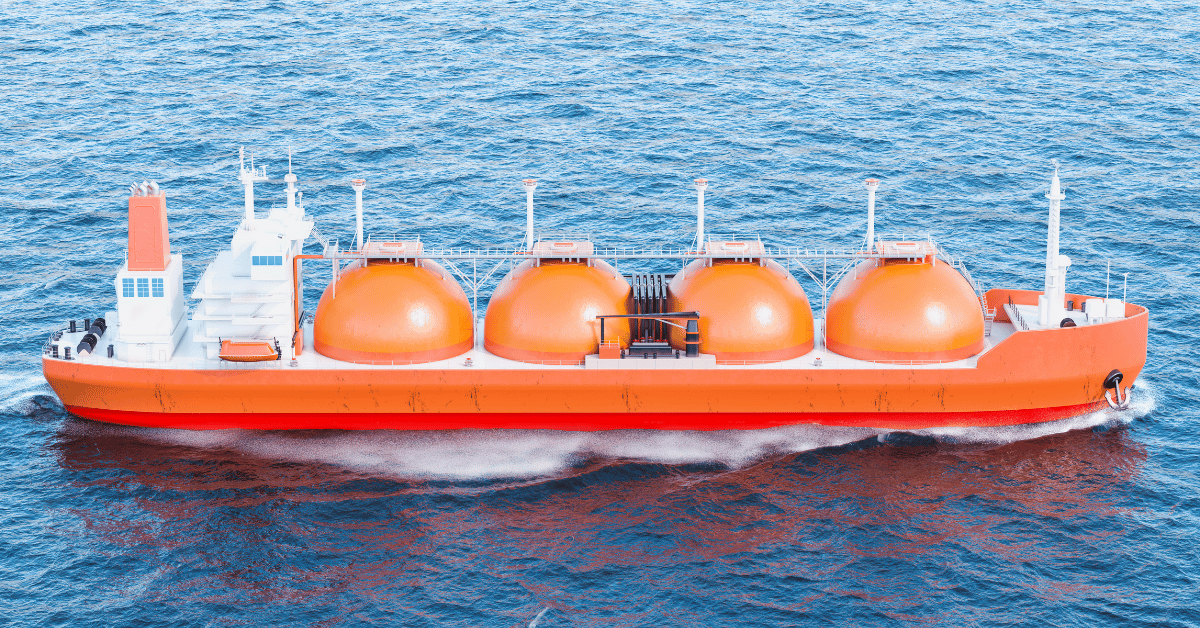
Validating Onboard Emissions Data: A Trial for LNG Shipping.
A new LNG carrier will soon test whether continuous emissions monitoring systems can match established data standards. Lloyd's Register, Seapeak, Kongsberg Maritime, and Tunable are collaborating on a trial that compares direct CO₂ measurements against conventional methodologies. This is the kind of validation the industry needs: empirical, peer-reviewed, and tied to real operational conditions. Precision here matters, and we're encouraged to see stakeholders move beyond assumptions toward calibrated, real-time evidence.
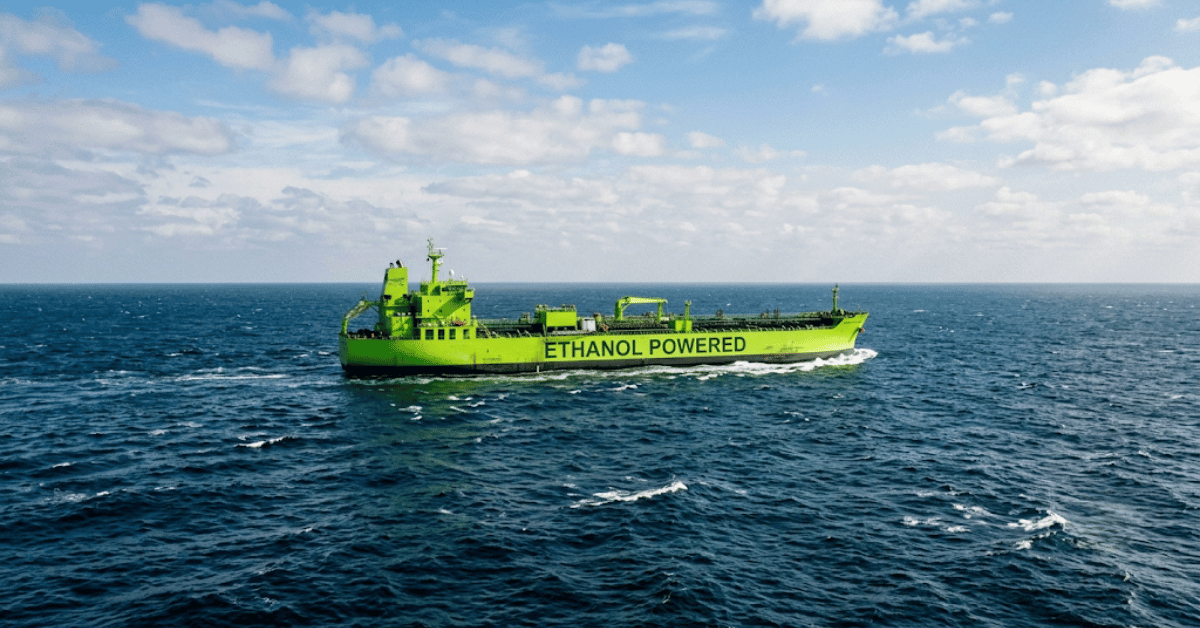
Advancing Sustainable Shipping: Ethanol-Fuelled Tanker Project Gains Momentum
A 50,000 dwt ethanol-fuelled MR tanker is moving from concept toward classification, with K Shipbuilding and Lloyd's Register now assessing feasibility ahead of an AiP. That is measured progress in a sector where fuel choice remains unsettled. Decarbonisation is not a single solution, and ethanol deserves scrutiny alongside LNG and ammonia. For context on alternative vessel design, our analysis of optimal LNG carrier capacity offers a useful comparison. We will follow this project's pathway to approval with interest.
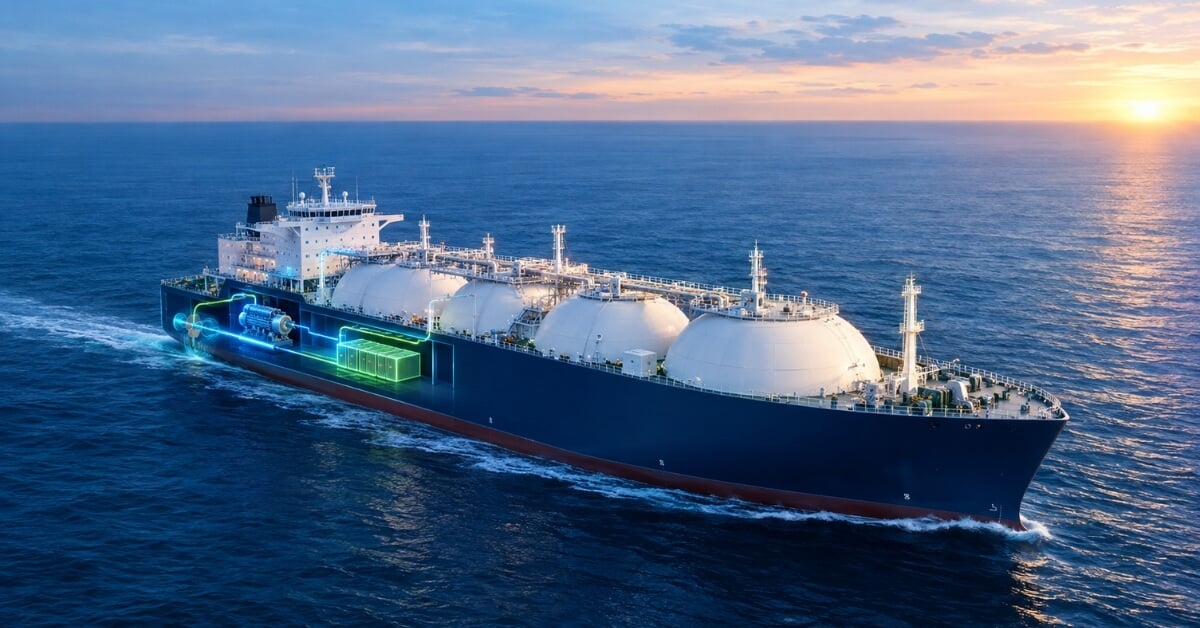
Advancing LNG Shipping: Hybrid Designs for Enhanced Efficiency and Sustainability
Hybrid electric propulsion is moving LNG carriers beyond incremental gains. Lloyd's Register, with HD KSOE and HD Hyundai Heavy Industries, is targeting a new generation of designs where efficiency and sustainability converge. This collaboration treats vessel architecture as an integrated system, not a sum of parts. For those tracking how maritime innovation addresses climate indicators, this is a measured, empirical step forward.