fossils
6 stories filed under fossils on World Data Ocean. The newest of them: “A twelve-thousand-fossil record links oxygen to the rise of complex life”, “Fossilized Poop Reveals Feathered Dinosaur Traits Linked to Survival”, and “Denisovan Life Unveiled: Fossil Discoveries Offer New Insights”. Twelve thousand fossils from ancient Australian rocks now offer the most direct evidence yet that oxygen enabled complex life to emerge. A rare fossilized coprolite is reshaping how we read survival in the Cretaceous. A Global Hub for Ocean Intelligence 4 World Data Ocean is a centralized digital platform where researchers, scientists, and ocean enthusiasts converge to… The list below is every fossils story on World Data Ocean, newest first.
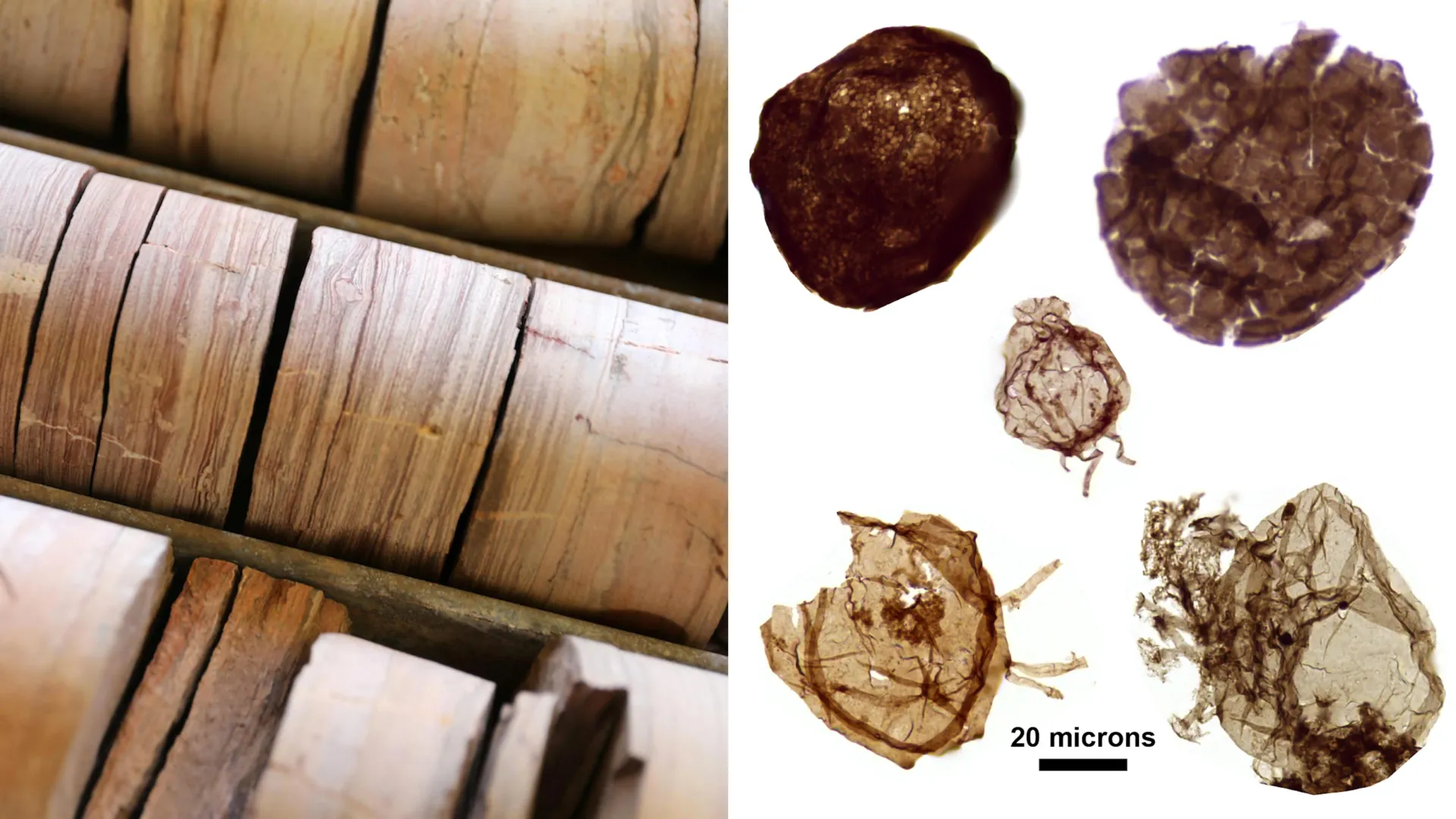
A twelve-thousand-fossil record links oxygen to the rise of complex life
Twelve thousand fossils from ancient Australian rocks now offer the most direct evidence yet that oxygen enabled complex life to emerge. These early eukaryotes flourished in coastal mudflats and open seas, but only where oxygen was present. Oxygen-free zones hosted only simpler microbes. This empirical record strengthens a long-held hypothesis with measurable, validated data. For deeper context on how environmental factors shaped early life, see our coverage of "Magma and microbial activity may rewrite a 2-billion-year-old carbon signal.

Fossilized Poop Reveals Feathered Dinosaur Traits Linked to Survival
A rare fossilized coprolite is reshaping how we read survival in the Cretaceous. The specimen hints that feather differences among early birds were not just aesthetic but functional, tied directly to which lineages endured the asteroid impact. It is a quiet but compelling clue, one that turns a familiar extinction narrative toward smaller, more specific biological drivers. For broader context on ancient catastrophes, our coverage of the *Ancient Impact Crater, 390 Million Years Old, Identified in Quebec* offers a deeper look at Earth's violent history.
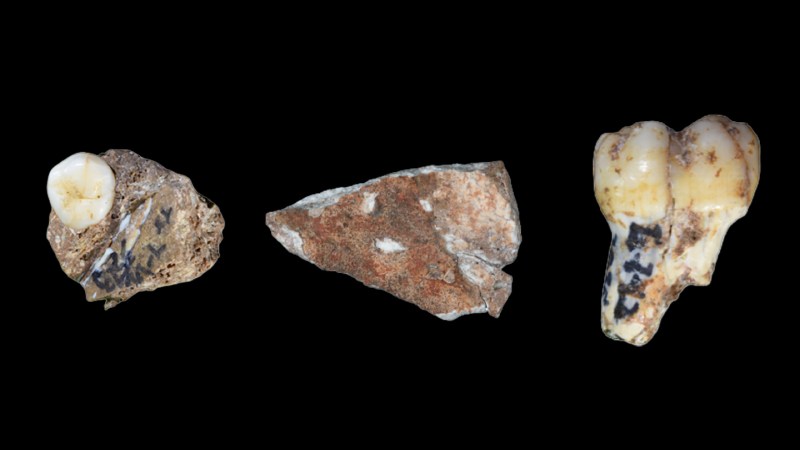
Denisovan Life Unveiled: Fossil Discoveries Offer New Insights
A fragment of tooth, a scatter of bone, and stone tools from a cave in China now sharpen our view of Denisovan life. This is empirical evidence, not speculation. These fossils, alongside animal remains, offer measurable clues about how this enigmatic species lived. Understanding drives protection. For deeper context on how ancient and modern systems connect, see our related coverage on integrated subsea infrastructure shifting Indian Ocean connectivity.

Aquabots: Engaging Young Players with Real Ocean Science and Conservation.
Aquabots turns play into purpose. Built inside Roblox, the game sends players on drone-led coral restoration missions, pairs them with a battle system, and opens an aquarium where fish, corals, and fossils are explained through verified research. A trivia quiz rewards correct answers with in-game currency, keeping learning tied to action. The goal is direct: counter the platform's brainrot with something measurable. For those tracing how species persist, the fossil record offers context, including recent findings on feathered dinosaurs. Curiosity, here, is the real currency.
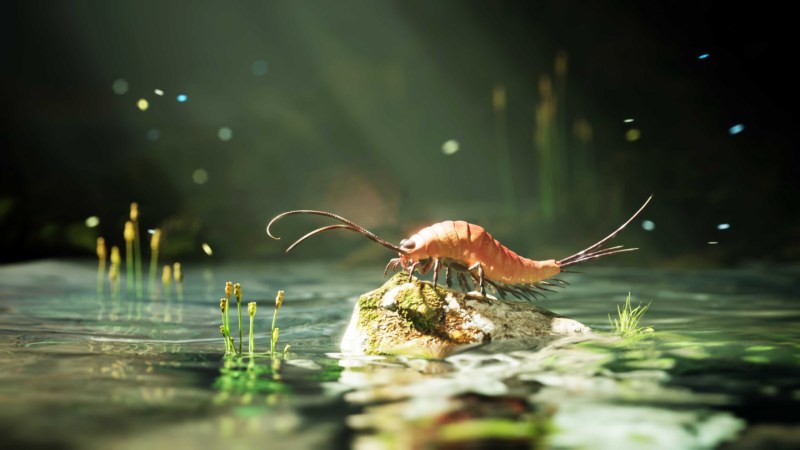
Ancient Insect Fossil Illuminates Evolution of Six-Legged Forms
A many-legged oddball from deep time is helping close a persistent gap in the fossil record, offering a clearer view of how six-legged forms emerged. The find is a reminder that evolution often experiments before it settles on a winning design. Understanding these ancient transitions sharpens our grasp of the planet's biological history. For more on how prehistoric traits shaped survival, see our related piece on fossilized feces revealing feathered dinosaur adaptations.

Coastal Discoveries: Identifying Shark Teeth from Tybee Island and Hilton Head
Identifying shark teeth from Tybee Island and Hilton Head starts with reading the sediment as much as the shape. The user's find from Fish Haul Beach and the Tybee sites shows how each beach delivers different clues, and that larger tooth likely holds a deeper story. We'd point to comparative jaw structure and serration patterns, though without a scale, species ID stays provisional.