fatigue
5 stories filed under fatigue on World Data Ocean. The newest of them: “When Communication Fails: Ambiguous VHF Exchange Prevents TSS Collision”, “Fumigated Cassava Cargo: 13 Crew Lost to Unmonitored Phosphine Gas”, and “The Science of Napping: Unraveling Sleep's Complex Rhythms”. A bulk carrier and tanker collided in a Traffic Separation Scheme after an ambiguous VHF exchange, poor situational awareness, and inadequate checks before a major course alteration. Thirteen of 21 crew members died after phosphine gas from fumigated cassava cargo infiltrated their living quarters. A Global Hub for Ocean Intelligence 4 World Data Ocean is a centralized digital platform where researchers, scientists, and ocean enthusiasts converge to… The list below is every fatigue story on World Data Ocean, newest first.
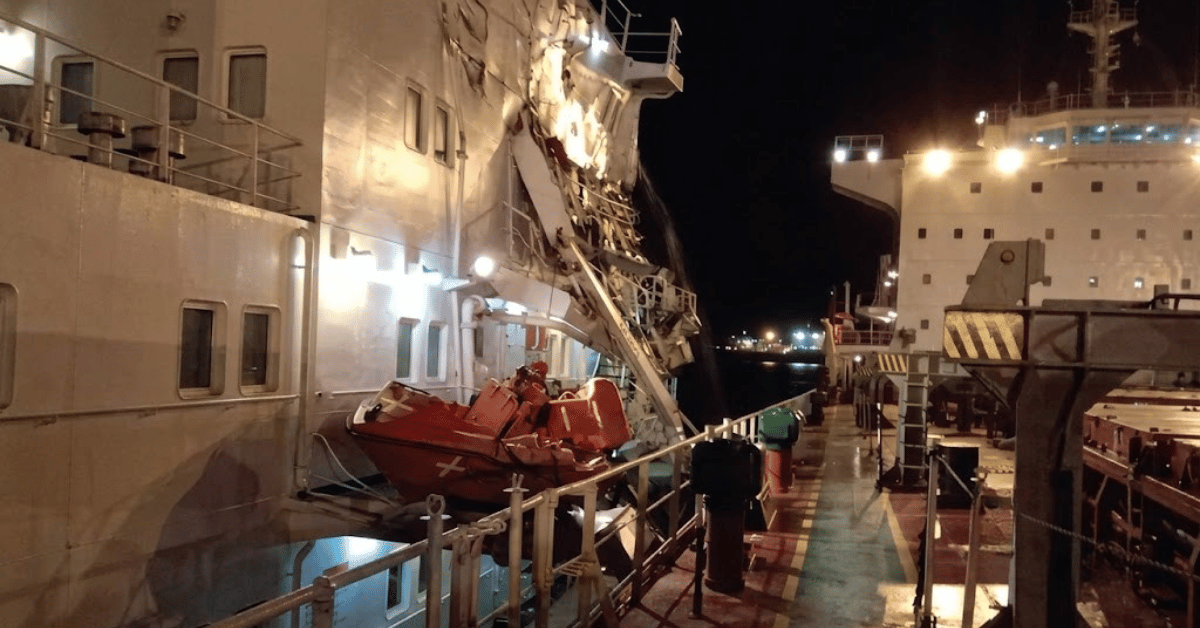
When Communication Fails: Ambiguous VHF Exchange Prevents TSS Collision
A bulk carrier and tanker collided in a Traffic Separation Scheme after an ambiguous VHF exchange, poor situational awareness, and inadequate checks before a major course alteration. When communication fails, the consequences are measurable and immediate. This incident underscores how human factors remain a leading cause of maritime accidents, a theme we explore further in our analysis of quantifying human factors in vessel loss-of-control risk models. Understanding these failures drives better protection at sea.
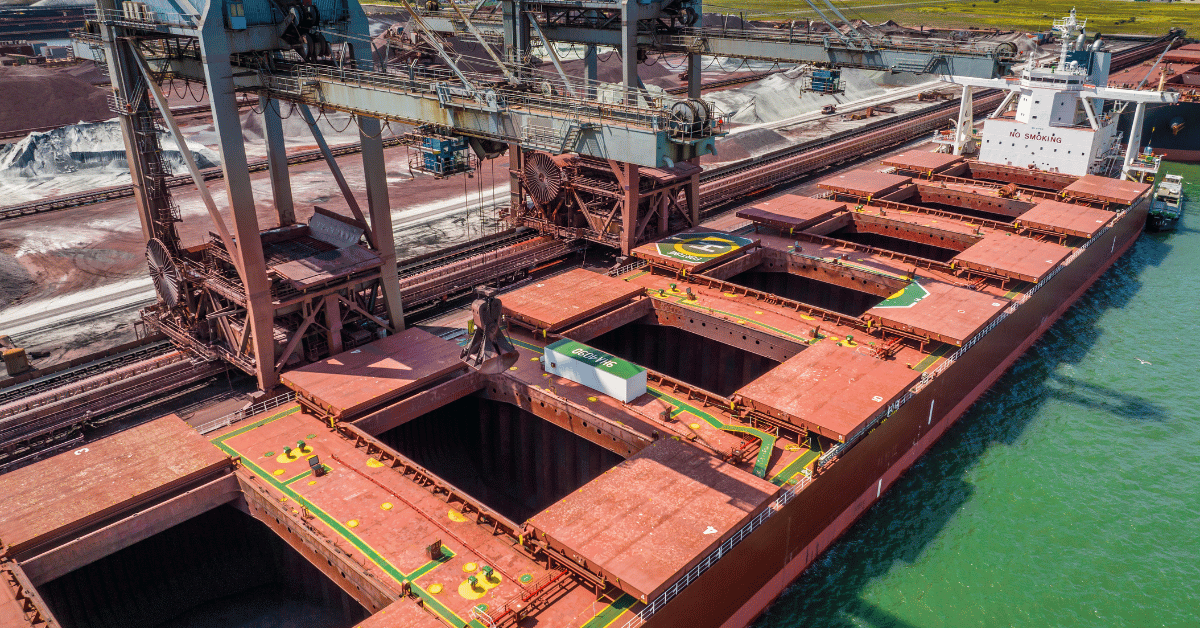
Fumigated Cassava Cargo: 13 Crew Lost to Unmonitored Phosphine Gas
Thirteen of 21 crew members died after phosphine gas from fumigated cassava cargo infiltrated their living quarters. This is a preventable tragedy born of unmonitored fumigation. The maritime industry must treat onboard chemical treatments as the critical safety events they are. Validated, real-time gas monitoring is not optional, it is a basic requirement. For further context on maritime safety and cargo innovation, see our coverage of the first ship-to-ship green ammonia bunkering.

The Science of Napping: Unraveling Sleep's Complex Rhythms
Sleep is a pillar of health, yet its architecture remains surprisingly unsettled. For the millions who wake each night, the question of whether splitting rest into two blocks offers genuine benefits or hidden costs is not just academic, it is personal. Science has not delivered a verdict. We can measure the stages, but we cannot yet calibrate the consequences. That uncertainty matters. It calls for empirical patience, not alarm.
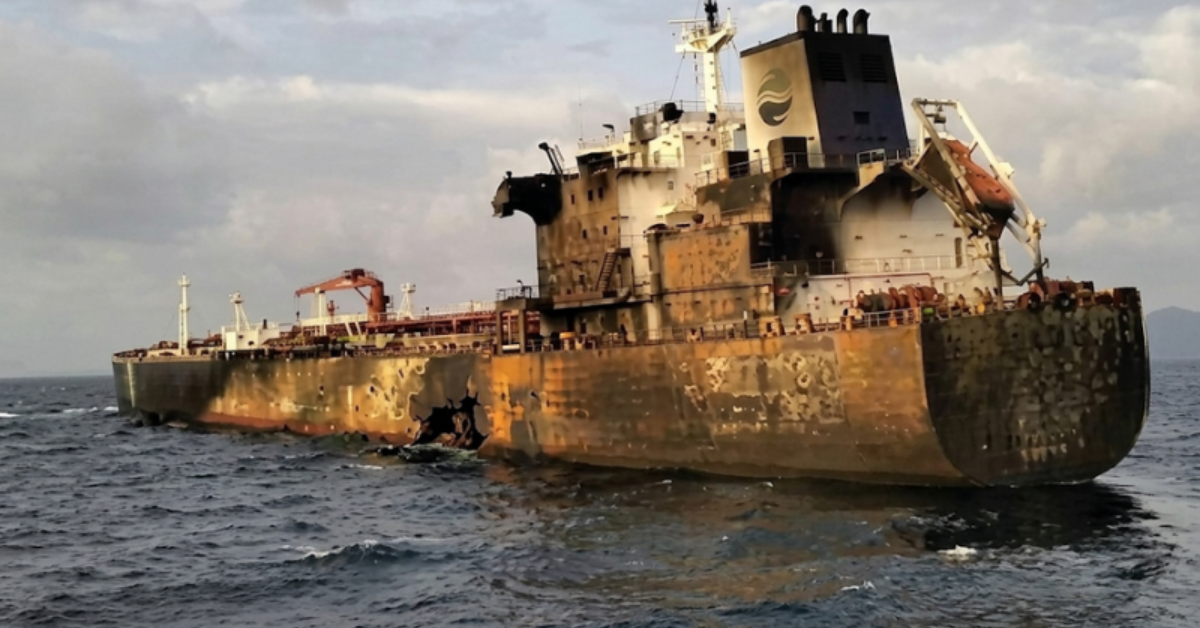
Fatigue and Navigation Error Spark Vessel Collision Incident
A fatigued officer of the watch made navigational errors that sent a tanker into an anchored vessel, sparking fires and forcing both crews to abandon ship. It is a stark reminder that human endurance has limits, and those limits have consequences. Fatigue is a measurable risk factor, and this collision shows what happens when it is not managed. For deeper context on regional shipping pressures, see our coverage of "Eighty Nations Urge Reopening of Vital Strait of Hormuz Shipping Lane."

Maritime Safety: Integrated Systems and Procedures for Complex Operations
A commercial voyage is won long before the gangway comes ashore; it is secured in the orchestration of mooring lines, cargo holds, and the discipline of enclosed space entry. These integrated systems and procedures form the real ballast of maritime safety. We see this complexity as a strength, not a burden. Vessels that master this coordination operate with a quiet authority.