European Commission
European Commission at World Data Ocean is a file of 9 stories. The newest of them: “Validating marine decarbonization: four ammonia carriers to cut over 1.2 million tons of CO₂”, “Baltic States Call for EU to Halt Russian Grain Transit Amid Trade Route Shifts”, and “Integrated data ecosystems sharpen Copernicus ocean monitoring”. Four ammonia carriers will be retrofitted with dual-fuel engines, cutting over 1.2 million tons of CO₂ equivalent in a decade. The Baltic States have formally called on the EU to halt the transit of Russian grain through European ports and transport routes, a direct response to shifting trade dynamics. A Global Hub for Ocean Intelligence 4 World Data Ocean is a centralized digital platform where researchers, scientists, and ocean enthusiasts converge to… The list below is every European Commission story on World Data Ocean, newest first.
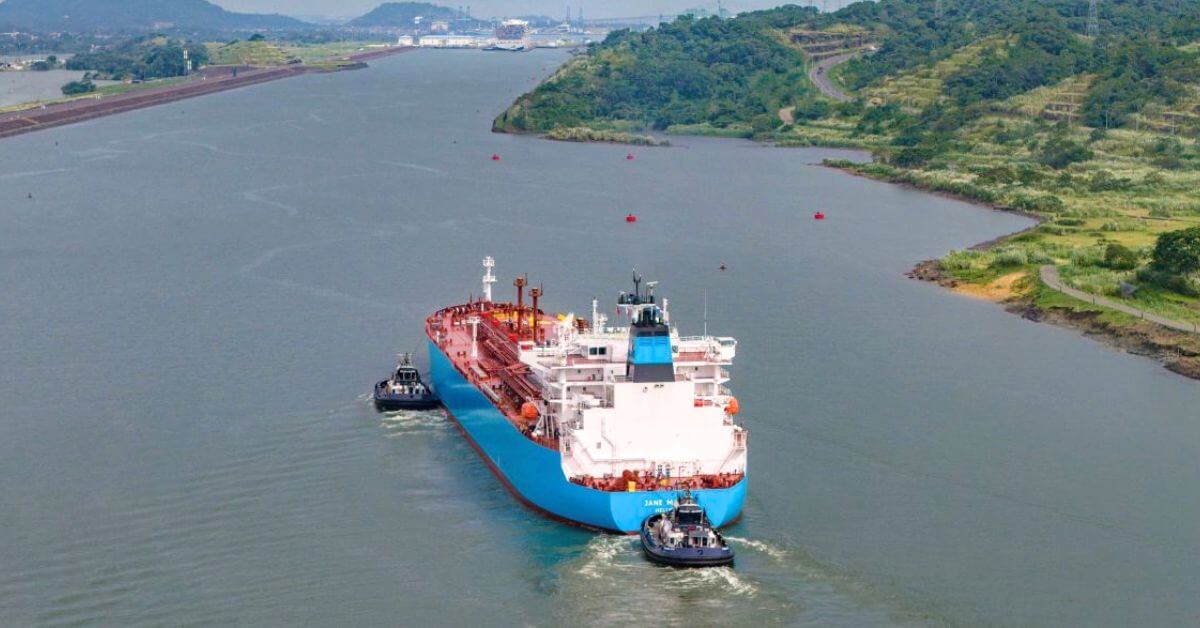
Validating marine decarbonization: four ammonia carriers to cut over 1.2 million tons of CO₂
Four ammonia carriers will be retrofitted with dual-fuel engines, cutting over 1.2 million tons of CO₂ equivalent in a decade. That is a validated, measurable step toward marine decarbonization, and one we can track. The shipping sector needs this kind of empirical commitment. For deeper context on how we measure long-term environmental change, see our related coverage of 27 meters of ice loss measured across 50 years in reference glaciers.
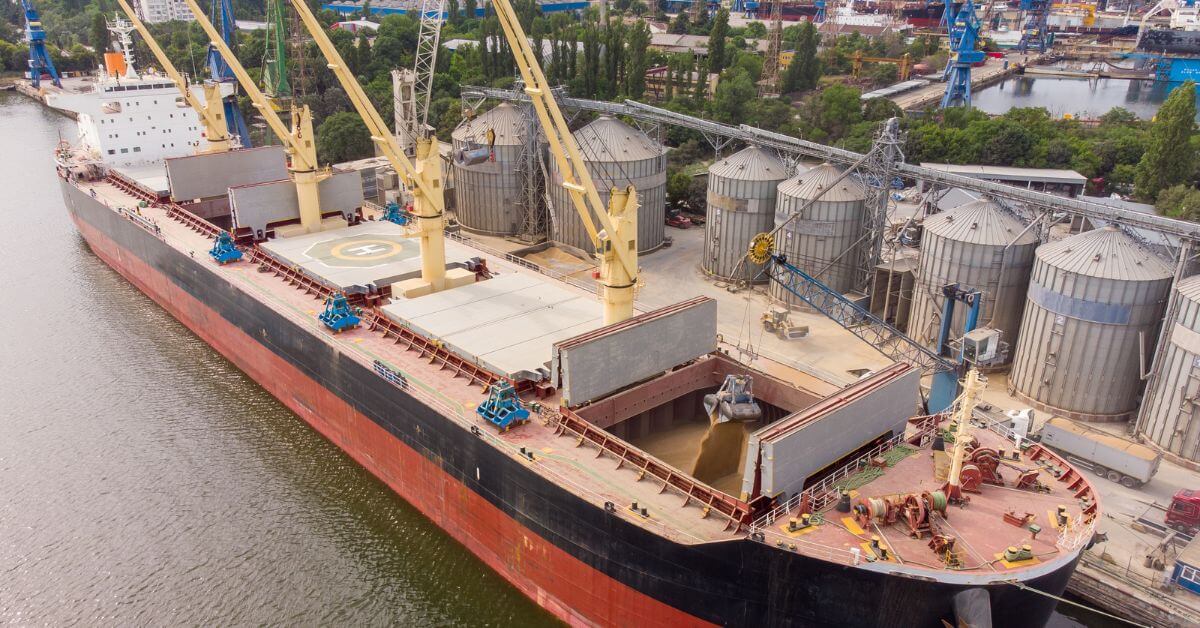
Baltic States Call for EU to Halt Russian Grain Transit Amid Trade Route Shifts
The Baltic States have formally called on the EU to halt the transit of Russian grain through European ports and transport routes, a direct response to shifting trade dynamics. This measured policy intervention prioritizes verified trade data over reactive measures. For deeper context on how global trade patterns are evolving alongside climate indicators, see our related piece on China's electric vehicle acceleration. Understanding trade flows is essential to calibrating effective, collaborative policy.

Integrated data ecosystems sharpen Copernicus ocean monitoring
Integrated data ecosystems sharpen Copernicus ocean monitoring by transforming raw observations into validated, measurable insights. The SEAMLESS Project delivers a calibrated, integrated data ecosystem that turns fragmented signals into coherent ocean intelligence. This is not about more data, it's about better data, peer-reviewed and ready for real-time action. Understanding drives protection. For deeper coverage, our related article on calibrating ocean intelligence for a sustainable data ecosystem explores the hidden challenges behind this progress.
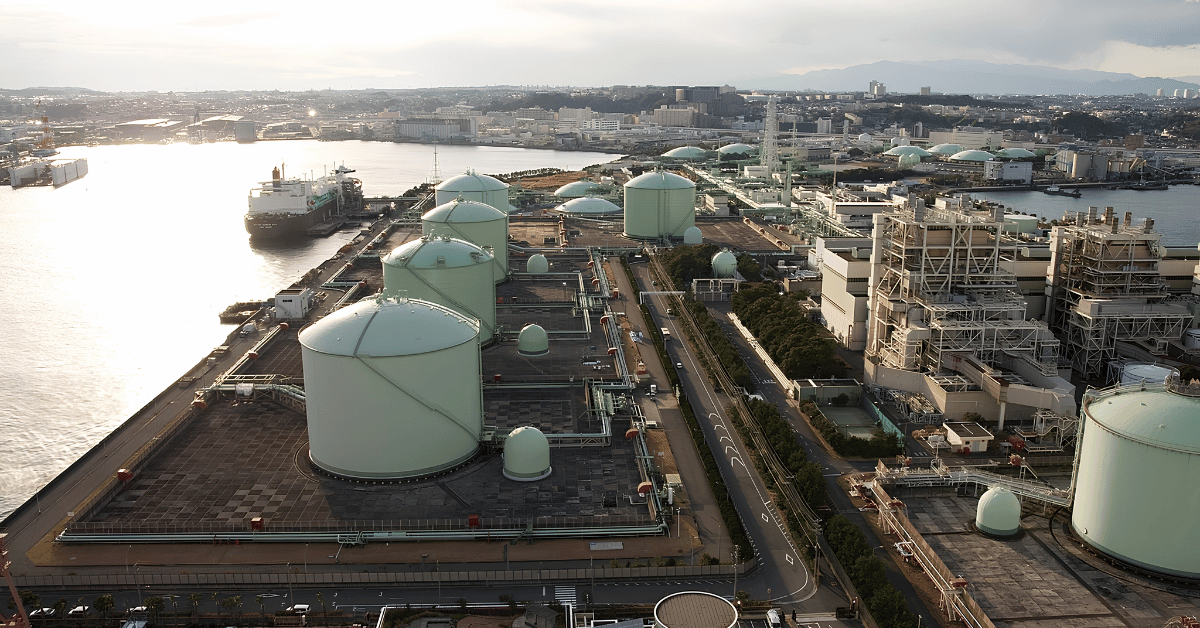
Protecting Biomethane Supply Chains Vital for Maritime Decarbonization
The liquefied biomethane supply chain is a validated pathway for measurable decarbonisation, not a theoretical concept. SEA-LNG's urgent call for the EU to protect mass-balance accounting is empirically sound: regulatory disruption would raise costs and stall progress. Protecting these integrated pathways is a matter of scientific integrity. For deeper context on alternative fuel innovations, see our coverage of the *Ammonia Bunkering Milestone*. Purpose-driven policy must match the urgency of ocean stewardship.
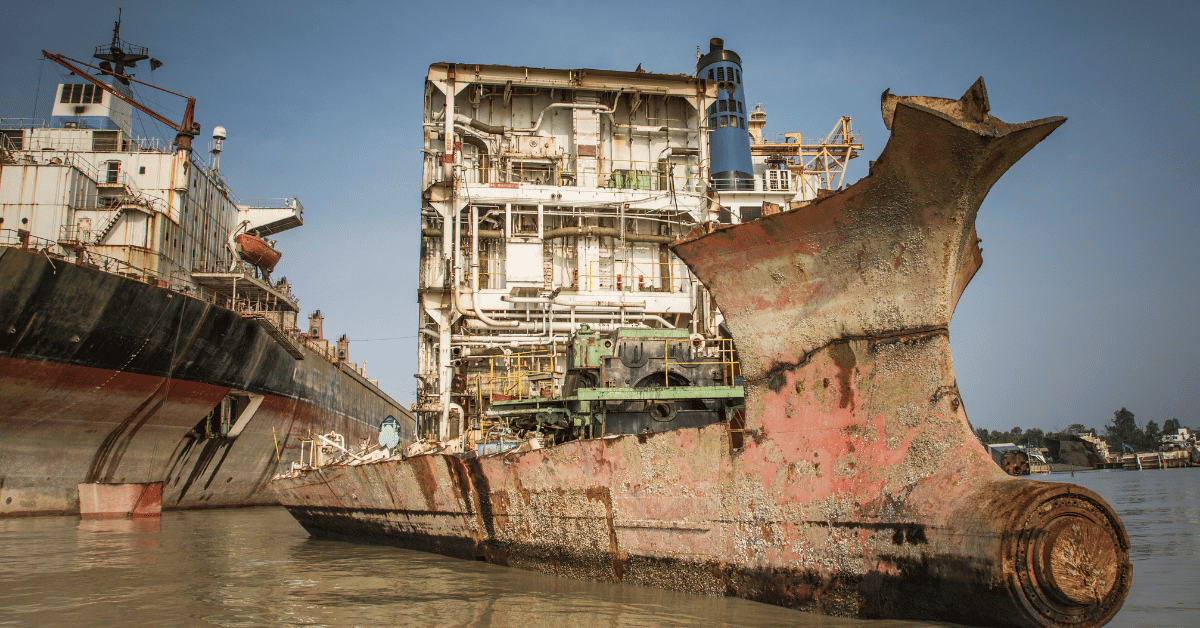
Indian Ship Recycling Yards Gain EU Approval, Boosting Sustainable Practices
The European List's inclusion of two Indian ship recycling yards marks a measured step toward higher operational standards. This approval validates years of investment in safer, cleaner practices, aligning the subcontinent's capacity with the compliance demands of global shipping lines. It is a practical win for an industry often scrutinized for its environmental record. For readers tracking naval advancements, our coverage of the Kiwi Frigate's sanctions monitoring offers a complementary look at maritime governance.
Expanding Reach: Indian Register of Shipping Connects with European Shipbuilding Partners
The Indian Register of Shipping has opened a Hamburg office, signaling a deliberate step toward deeper engagement with European shipbuilding partners. It is a move that makes sense: Europe remains a hub for engineering rigor, and proximity matters when collaboration depends on trust and technical alignment. This expansion is not about abrupt growth but measured integration into a mature maritime ecosystem.

EU Ship Recycling Decision Risks Undermining Regulation Standards
Approving these two beaching yards would signal that the EU Ship Recycling Regulation is open to interpretation, and not the rigorous kind. The NGO's concern is valid: such a decision risks undermining the very standards the regulation was designed to enforce. We cannot claim to champion ocean stewardship while endorsing practices that fall short of measurable, peer-reviewed safety and environmental benchmarks. This is a moment for calibrated, integrated oversight, not a step backward.

Bulgaria Investigates Kairos Tanker Amidst Oil Pollution Concerns in Burgas Bay
Bulgaria's Maritime Administration has ordered investigation teams to examine the sanctioned motor tanker Kairos, following concerns over a possible oil leak in Burgas Bay. This is a measured, necessary step, one that prioritizes empirical verification over speculation. When a vessel's integrity is questioned, the response must be calibrated and transparent. The Kairos case echoes other maritime challenges we've covered, such as the bulk carrier grounding near Gladstone, and reinforces why real-time, integrated oversight matters.

EU Update: Indian Ship Recycling Yards Poised for Inclusion.
European shipowners now acknowledge what many in the industry have watched take shape for years: several Indian recycling yards already operate to standards comparable to those in the EU Regulation. That is not a small endorsement. It signals measurable progress toward a more integrated global recycling framework, one where safety and environmental rigor are not regional privileges. For a nation already leveraging recycled steel domestically, as our coverage of India's steel production highlights, this recognition could accelerate investment.