environmental monitoring
environmental monitoring at World Data Ocean is a file of 24 stories. The newest of them: “Global pCO2 Database Delivers Validated Surface Ocean Intelligence for Climate Indicators”, “Satellite data reveals measurable pathways of ocean plastic pollution”, and “Global Sand Extraction Data Reveals Unprecedented Ocean Floor Impact”. A new global database of surface pCO2 data, validated and integrated by NOAA's National Centers for Environmental Information, delivers the kind of empirical, peer-reviewed ocean intelligence that climate indicators… Satellite data now reveals measurable pathways of ocean plastic pollution, turning what was once an invisible crisis into a trackable phenomenon. A Global Hub for Ocean Intelligence 4 World Data Ocean is a centralized digital platform where researchers, scientists, and ocean enthusiasts converge to… The list below is every environmental monitoring story on World Data Ocean, newest first.
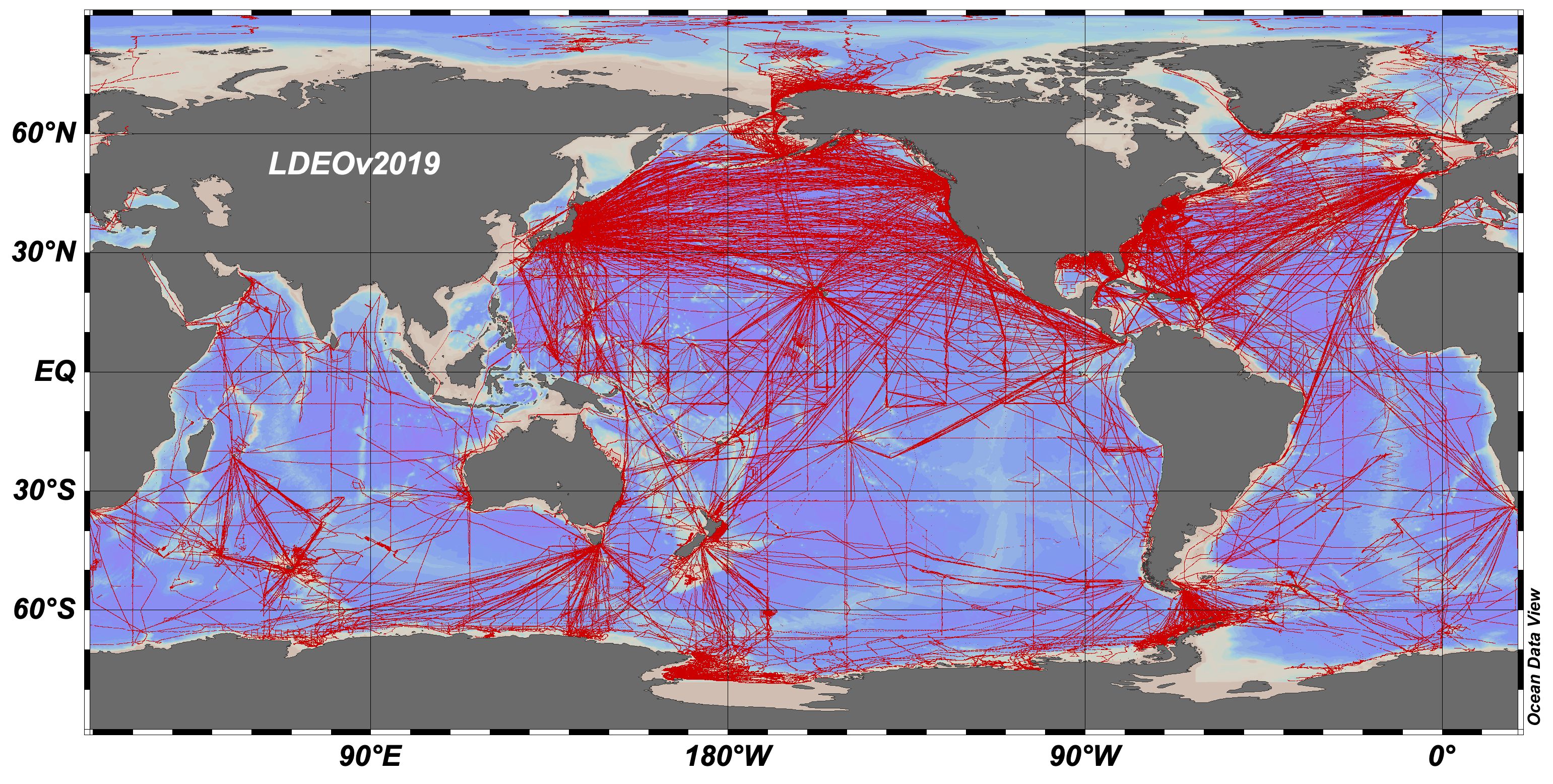
Global pCO2 Database Delivers Validated Surface Ocean Intelligence for Climate Indicators
A new global database of surface pCO2 data, validated and integrated by NOAA's National Centers for Environmental Information, delivers the kind of empirical, peer-reviewed ocean intelligence that climate indicators demand. This isn't just another dataset, it's a calibrated, real-time window into the ocean's measurable carbon role. Understanding drives protection. Our related coverage of "Validated Observations Illuminate the Ocean's Measurable Carbon Role" explores how these quality-controlled observations deepen that understanding.
Satellite data reveals measurable pathways of ocean plastic pollution
Satellite data now reveals measurable pathways of ocean plastic pollution, turning what was once an invisible crisis into a trackable phenomenon. NASA's Earthdata tracking, from orbit to ocean floor, offers empirical, real-time insight into where plastic travels and accumulates. This is ocean intelligence at its most urgent and actionable. Understanding drives protection. For deeper coverage on how integrated data ecosystems map this challenge, see our related piece, "From coast to current: tracking plastic pollution through integrated ocean intelligence."
Global Sand Extraction Data Reveals Unprecedented Ocean Floor Impact
Over 55 million cubic metres of sand are being dredged from the world's ocean floors every year, according to new data from the UNEP Marine Sand Watch. This industrial-scale extraction is leaving measurable, long-term scars on seabed ecosystems, an impact that is only now being empirically validated. The scale demands integrated ocean intelligence to guide sustainable practices. For deeper insight, see our coverage of how burrowing crustaceans leave validated eDNA signatures in seabed sediments.
Calibrating the energy transition with validated ocean intelligence
A validated, measurable understanding of ocean systems is now calibrating the energy transition. Real-time climate indicators from the integrated data ecosystem, not guesswork, guide where and how we build. This empirical foundation ensures offshore projects are grounded in ocean intelligence, not assumptions. The recent protest halting a gas project underscores the stakes. Peer-reviewed data can align development with stewardship. Understanding drives protection. For deeper context, see our coverage of the *Protest Halts Offshore Gas Project as Ocean Stewardship Faces Test*.

From orbit to shore: sharpening coastal views through harmonized sensors
High-resolution satellite imagery sharpens our view of the coast, but its cost and hardware limits create blind spots. HARBOR, a harmonization-based workflow, solves this by fusing low-resolution Sentinel-2 data with PlanetScope imagery, boosting clarity from 10 m to 5 m. Radiometric harmonization proved the strongest single contributor to quality, while synthetic data generation made supervised training viable despite scarce same-day pairs. This transferable pipeline turns existing archives into actionable ocean intelligence.
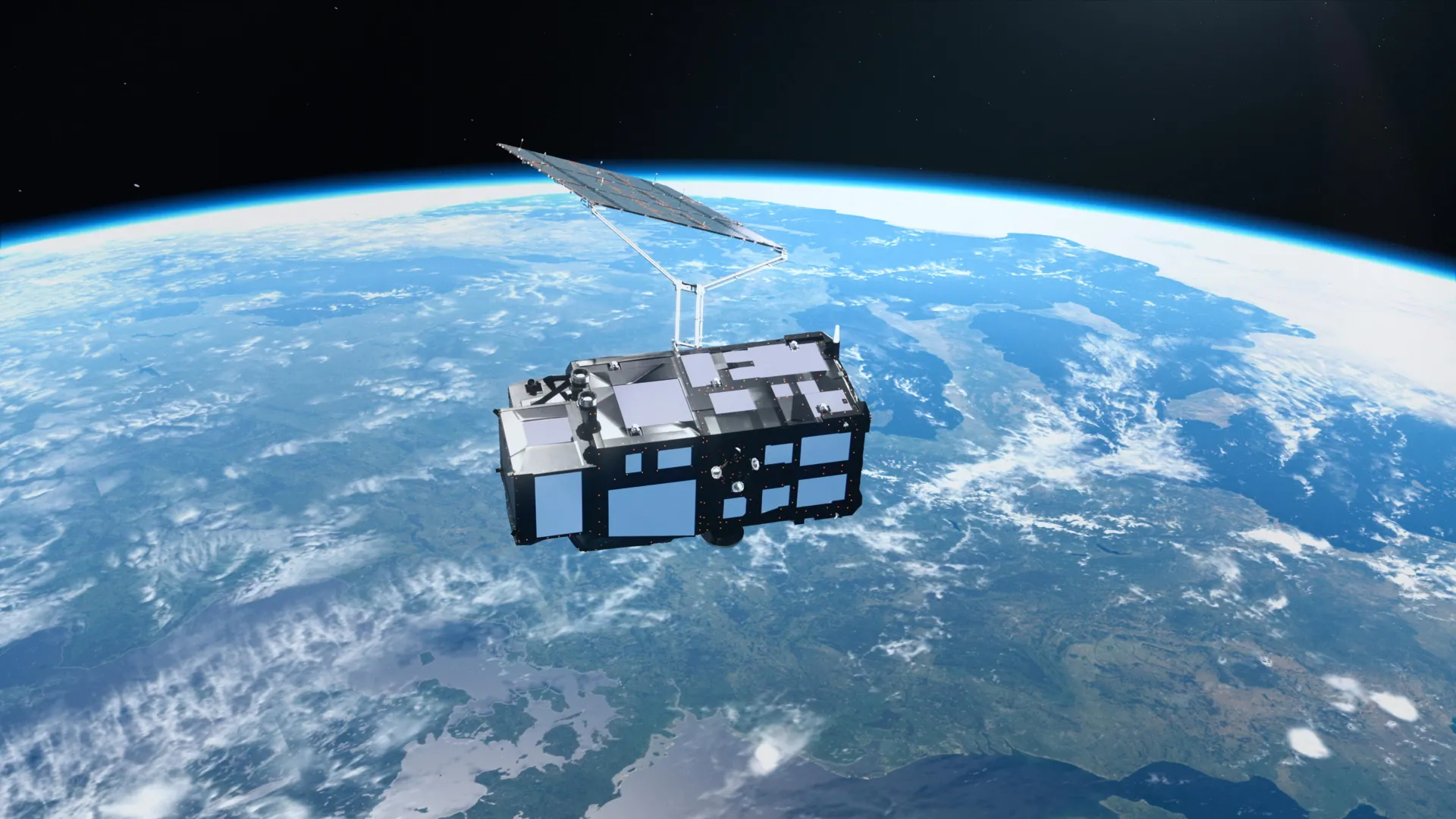
Two weeks after launch, Sentinel-3C delivers calibrated first views of a changing ocean
Two weeks after launch, Sentinel-3C has already delivered calibrated first views of a changing ocean, from the frozen Arctic to the Caribbean. These early measurements validate the satellite's capacity to track rising seas and melting ice with empirical precision. Understanding drives protection, and this instrument is now part of an integrated data ecosystem. For context on how such observations support coordinated maritime action, see our coverage of Europe's COASTEX 2026 trial.
Mapping marine phosphorus cycling with a global alkaline phosphatase dataset
A new global dataset of alkaline phosphatase activity now maps marine phosphorus cycling with empirical, peer-reviewed precision. Understanding this nutrient's biological availability is essential for predicting ocean productivity and climate indicators. This integrated data ecosystem complements related work such as NOAA's Global Drifter Network, which delivers real-time ocean intelligence to sharpen forecasts. Together, these efforts build a measurable foundation for shared ocean stewardship, from orbit to ocean floor.

Atmospheric CO₂ reaches record highs in 2024, validated by global data
Atmospheric CO₂ reached record highs in 2024, validated by global data from the World Meteorological Organization. This is not an anomaly, it is a calibrated signal of accelerating change. Each measurable increase reinforces what the geological archive already tells us: the planet responds to pressure. Understanding drives protection. For deeper context on Earth's thresholds, see our coverage of "Five mass extinctions recorded in Earth's geological archive." The data is clear. The question is what we do with it.
Calibrating ocean intelligence to navigate a warming world
Calibrating ocean intelligence requires more than collecting data, it demands integration. Our warming world is outpacing fragmented observation systems. Validated, real-time measurements from orbit to ocean floor must become an integrated data ecosystem, not isolated snapshots. This is measurable, empirical work. Understanding drives protection. For deeper coverage, explore our related piece, "From orbit to ocean floor: integrated data reshapes our view of the sea," which examines how this unified approach is transforming marine science.
From orbit to ocean floor: integrating observations for Earth system predictions
A satellite sees the ocean's surface; a drifting buoy feels its depths. The Global Ocean Observing System, convened by the World Meteorological Organization, now integrates these vantage points into a single, calibrated data ecosystem. This is not abstract science. It is the foundation for Earth system predictions that shape climate resilience and maritime safety. For deeper context, our related coverage on ocean stewardship explores how this data refines our responsibility to the sea.

Cruise fleet expands its role as a calibrated platform for ocean intelligence
Royal Caribbean Group's cruise fleet is now a calibrated platform for ocean intelligence, extending its collaboration to capture critical conservation data onboard its ships. This is empirical science at scale, measurable, real-time data collected where the ocean meets industry. Understanding drives protection, and this partnership delivers validated climate indicators from orbit to ocean floor. For deeper context, our coverage of the newly appointed global experts calibrating the Ocean Decade's path for integrated data stewardship complements this story well.
Empirical ocean data powers the measurable path to energy transition
The ocean's role in the energy transition is not theoretical, it is empirical. Measurable ocean data powers the path forward, validating climate indicators and calibrating our decisions. The World Economic Forum makes this clear: data is the foundation. For those tracking the science beneath the surface, our coverage of the Ocean Carbon and Acidification Data System offers a peer-reviewed look at how validated, integrated data ecosystems turn ocean intelligence into actionable climate insight. Understanding drives protection.

Decades of Atlantic circulation data reveal measurable climate indicators
Decades of Atlantic circulation data now offer something the field has long needed: measurable, validated climate indicators. This isn't anecdotal observation, it's empirical, longitudinal evidence of change. Understanding drives protection, and this dataset from NOAA gives researchers and policymakers a calibrated baseline to measure what comes next. For deeper context on the ocean's thermohaline structure, our related work on a validated global atlas from WOA18 connects the dots between surface signals and the deep currents that drive them.

Small ocean drone returns validated data from inside Category 5 hurricane
A small ocean drone has returned validated data from inside a Category 5 hurricane, a world first for NOAA/AOML. This is empirical ocean intelligence at its most daring. Measuring what was previously unmeasurable, the drone's real-time readings from the storm's core will sharpen our climate indicators and refine the models that guide marine stewardship. For deeper context on how such data tracks progress, see our related analysis, "Ocean intelligence measures our progress toward sustainable marine stewardship."
Africa's first permanent ocean observatory closes a critical data gap for science and policy
Twenty-two million measurements. That is the scale of what the Bazaruto Center for Scientific Studies and Kisawa Sanctuary have built off Mozambique's coast. Africa's first permanent ocean observatory is not a small pilot project; it is a multi-ecosystem platform covering 6,850 square kilometers, generating high-frequency data across coral, seagrass, and open-ocean habitats. The numbers are impressive, but the real achievement is showing how a Resort-to-Research model can sustain serious science.
Ocean Ecosystems Face Extreme Stress: A Call for Global Action.
The ocean's living systems are under measurable, intensifying stress. This is not a distant forecast, it is an empirical reality demanding coordinated global response. Our new analysis documents the accelerating pressures on marine ecosystems, from warming waters to acidification. We believe the evidence is clear: integrated, real-time ocean intelligence is essential for informed action. For deeper context on how these forces reshape coastlines, see our related study on storm surge costs in coastal China. Understanding drives protection.
Quantum-Enhanced AI Improves Marine Debris Detection for Ocean Health
A precision of 93.7% in detecting marine debris under real-world conditions is a measurable step forward. This hybrid quantum-inspired framework doesn't just improve recall, it proves that integrating angle encoding with YOLOv8 can cut through low visibility and underwater haze. We see this as empirical validation that quantum-enhanced feature transformations strengthen environmental monitoring. For deeper context on cross-boundary ocean governance, readers may consult our related piece, "Harmonizing Marine Governance: A Framework for the Greater Bay Area."
Real-Time BOD and Temperature Monitoring via Integrated Microfiber Sensor.
Reliable oxygen and temperature data are the backbone of sound ocean stewardship, and this integrated microfiber sensor delivers both in real time. Published in *Applied Optics*, the work demonstrates a practical step toward more responsive monitoring of coastal and open-water systems. The ability to validate conditions continuously, rather than relying on discrete samples, strengthens our understanding of changing climate indicators. For readers exploring how technology expands marine research, this connects naturally to our coverage in "Real-Time Ocean Simulations Advance Understanding Through Integrated Modeling.

Integrated Ocean Intelligence: EU’s OceanEye Initiative Advances Real-Time Data.
The EU's OceanEye initiative is turning real-time ocean observation into a shared, measurable asset. By integrating data from orbit to sea floor, it gives researchers and policymakers a clearer, peer-reviewed picture of climate indicators as they shift. That kind of empirical clarity is what effective stewardship demands. For context on how marine data travels, our coverage of integrated subsea cables across the Indian Ocean pairs well with this story. Ocean intelligence works best when the whole system is connected.
Real-Time Data from The Ocean Race Illuminates Gulf Stream Changes
The Gulf Stream is slowing, and now the sailors racing through it are helping to measure exactly how. Competitors in The Ocean Race Atlantic will collect climate data from these weakening currents, turning a grueling contest into a live oceanographic survey. This is the kind of integrated, real-time observation we need most. It is empirical, immediate, and driven by people already at the mercy of the sea.

Autonomous Vessel Launches Fleet for Ocean Data Collection.
One autonomous vessel has proven it can serve as a mobile command hub, deploying and supporting multiple autonomous assets during a single mission. The trial demonstrates a practical step toward scalable ocean data collection, where one platform coordinates a fleet of instruments in real time. This is the kind of integrated capability that turns raw marine data into actionable intelligence. For more on related maritime innovation, our coverage of the Indian Navy's ORV Sagar Manthan offers useful context.
Tracking Plastic's Reach: Ocean Intelligence from Remote Waters.
Plastic debris doesn't stay where we drop it. New tracking from remote waters shows how far it travels, and the data is telling a clearer story than ever before. This kind of ocean intelligence turns scattered observations into something measurable, something we can act on. It's a reminder that the problem isn't out of sight, just out of sightlines. For readers drawn to the unseen, our piece on unidentified marine life offers a complementary glimpse into what else moves beneath the surface.
Ocean Intelligence: Eleven Data Innovations Transforming Our Understanding.
The ocean remains the most observed yet least understood system on Earth, and the World Economic Forum's Ocean Intelligence: Eleven Data Innovations Transforming Our Understanding confronts this paradox head-on. Eleven empirical tools, from integrated data ecosystems to real-time climate indicators, replace speculation with validated insight. It is a measured, peer-reviewed approach to stewardship, and it pairs well with our coverage of how integrated subsea cables now carry 99% of global data beneath the waves.
Charting a Course: MSc Thesis Opportunities in Hydrography and Geoinformatics
A Master's thesis in hydrography is more than an academic requirement; it is a chance to contribute directly to how we measure and protect the marine environment. The student's focus on practical applications and collaboration with research institutes aligns well with the field's need for integrated, real-time data. For those exploring similar paths, the related article "Calibrated ocean intelligence, now within reach through integrated data discovery" offers a useful perspective on where the data ecosystem is heading.