emissions
10 stories filed under emissions on World Data Ocean. The newest of them: “Untested AI Hypotheses on Ocean Acidification Demand Peer Review”, “Tracking the nations with the largest share of historical CO₂ emissions”, and “China's electric vehicle acceleration offers measurable data for global climate indicators”. A user-generated hypothesis that ocean acidification cuts sea-to-air methylamine emissions is now live on Forks.world, and it is asking for peer review before any claims are validated. A small number of nations account for the vast majority of historical CO₂ emissions. A Global Hub for Ocean Intelligence 4 World Data Ocean is a centralized digital platform where researchers, scientists, and ocean enthusiasts converge to… The list below is every emissions story on World Data Ocean, newest first.
Untested AI Hypotheses on Ocean Acidification Demand Peer Review
A user-generated hypothesis that ocean acidification cuts sea-to-air methylamine emissions is now live on Forks.world, and it is asking for peer review before any claims are validated. This is precisely the kind of empirical, testable proposition that drives ocean intelligence forward. The link between measurable chemical shifts and atmospheric impact deserves calibrated scrutiny.
Tracking the nations with the largest share of historical CO₂ emissions
A small number of nations account for the vast majority of historical CO₂ emissions. The United States leads, followed by the broader European Union and China, yet cumulative responsibility looks very different from annual rankings. This distinction matters for climate equity. Understanding these validated, empirical differences in contribution is essential for calibrating global action. For a complementary perspective on how economic pressures reshape regions, see our related piece on uneven house price surges across EU member states.
China's electric vehicle acceleration offers measurable data for global climate indicators
China's electric vehicle adoption is accelerating faster than in the European Union or the United States, providing validated, real-world data for global climate indicators. This measurable shift demonstrates how policy and innovation can align to reduce emissions at scale. For deeper context on the nations that have shaped our carbon legacy, see our related analysis, "Tracking the nations with the largest share of historical CO₂ emissions." Understanding these trajectories is essential for informed ocean stewardship.

Atmospheric CO₂ reaches record highs in 2024, validated by global data
Atmospheric CO₂ reached record highs in 2024, validated by global data from the World Meteorological Organization. This is not an anomaly, it is a calibrated signal of accelerating change. Each measurable increase reinforces what the geological archive already tells us: the planet responds to pressure. Understanding drives protection. For deeper context on Earth's thresholds, see our coverage of "Five mass extinctions recorded in Earth's geological archive." The data is clear. The question is what we do with it.
A thousand rivers drive eighty percent of ocean plastic emissions
A thousand rivers drive eighty percent of ocean plastic emissions, a finding that demands a calibrated, not alarmist, response. This is not about panic; it is about measurable action. Understanding the source of the problem allows us to target interventions where they matter most. For deeper context on how disclosure transforms data into accountability, see our related coverage, "Closing the data gap: disclosure as a calibrated step toward ocean action." Precision, not hype, guides real protection.

Measured emissions data places food transport in ocean transit perspective
Measured emissions data places food transport in ocean transit perspective: most food moves by boat, so food miles represent a relatively small share of a diet's carbon footprint. This finding is a welcome dose of empirical clarity in a debate often muddied by oversimplification. It reframes the conversation around production methods rather than transport distance, a more measurable, actionable focus. For context on maritime economics, see our related coverage of Russia's Northern Sea Route icebreaker funding plan.
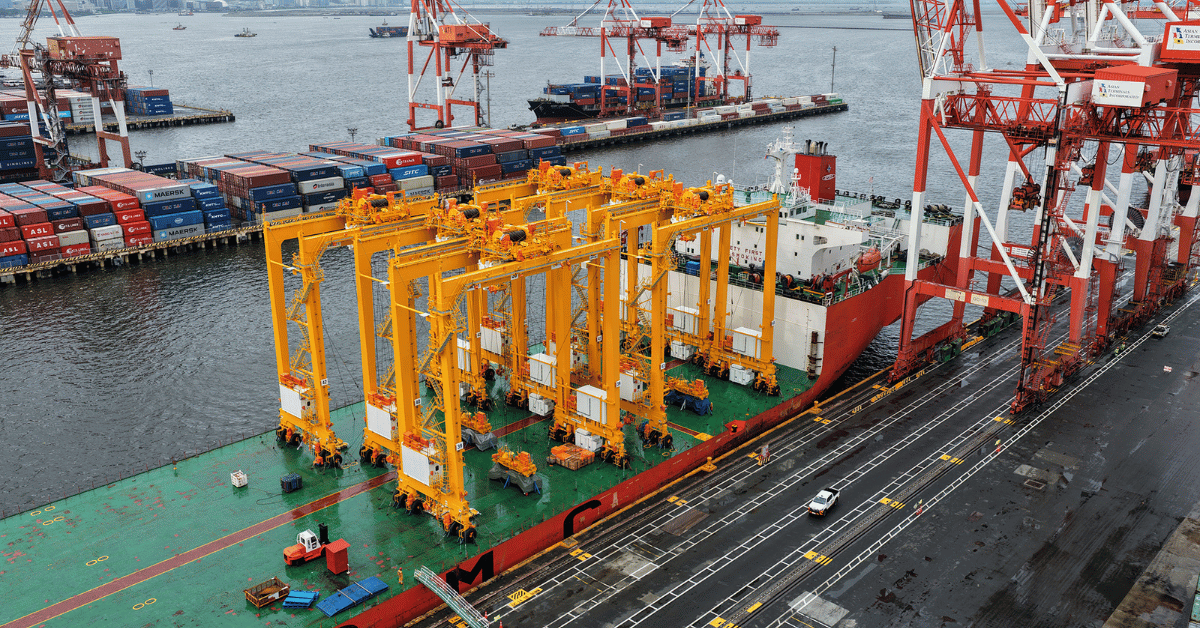
Boosting Manila's Port Capacity with Hybrid, Low-Emission Cranes
Manila South Harbour's new hybrid RTG cranes represent a calibrated step toward measurable decarbonisation in port operations. DP World and Asian Terminals have commissioned six low-emission units that boost capacity and safety without sacrificing operational integrity. This is empirical progress, integrated infrastructure that reduces emissions while strengthening throughput. For broader context on global port modernisation, our coverage of Paradip Port's designation as a Mega Port offers a parallel example of strategic maritime growth. Understanding drives protection, and these cranes deliver both.
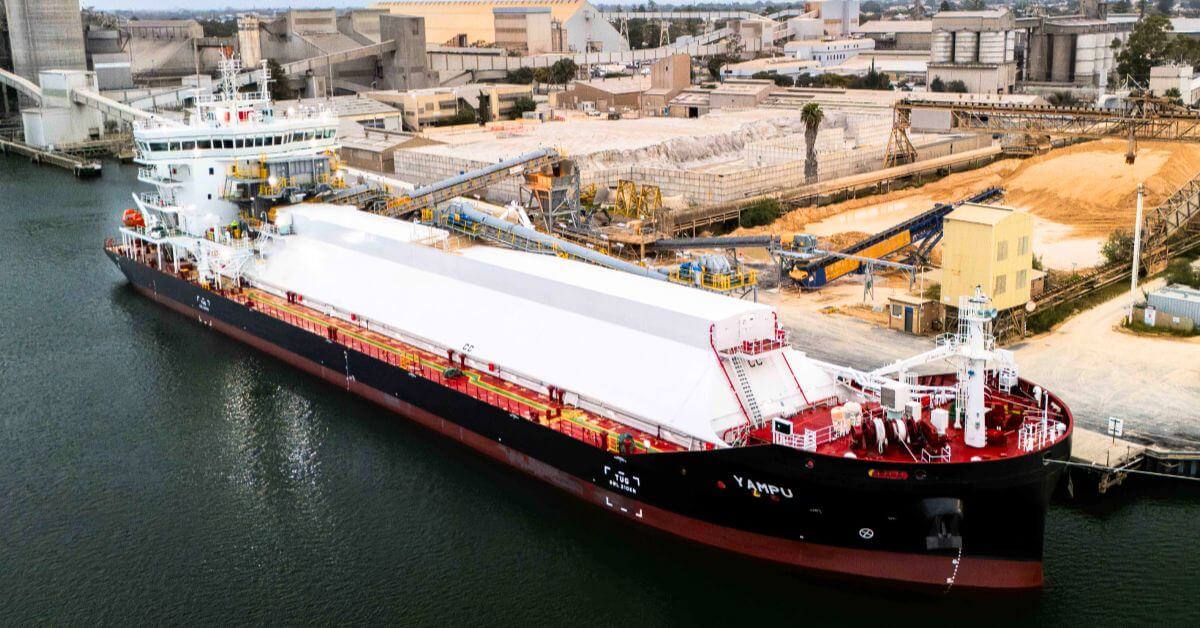
Optimized Limestone Transport: New Vessel Boosts Capacity and Sustainability.
A 35% increase in annual limestone carrying capacity is a measurable step forward for sustainable material transport. Adbri's new vessel, set to replace MV Accolade II, delivers that gain without compromising operational efficiency. This is the kind of practical, validated progress that moves ocean logistics closer to its climate commitments. For context on how vessel movements intersect with coastal risk, our recent coverage of the bulk carrier freed near Gladstone offers a timely look at the region's operational challenges.

AI Optimizes Shipping for a Sustainable, Carbon-Constrained Future
The EU ETS is now pricing carbon from liner shipping, and our latest study shows AI can turn that regulatory pressure into measurable emissions cuts. We paired Bayesian Optimization with Mixed-Integer Linear Programming to model a support path that slashes cumulative physical emissions by 28.39% and ETS-covered emissions by 32.94% in an Asia, Europe case, all for a 0.213% resource cost increase. That is efficient, practical decarbonization. For more on port-side innovation, see our coverage of hybrid RTG cranes at Manila South Harbour.
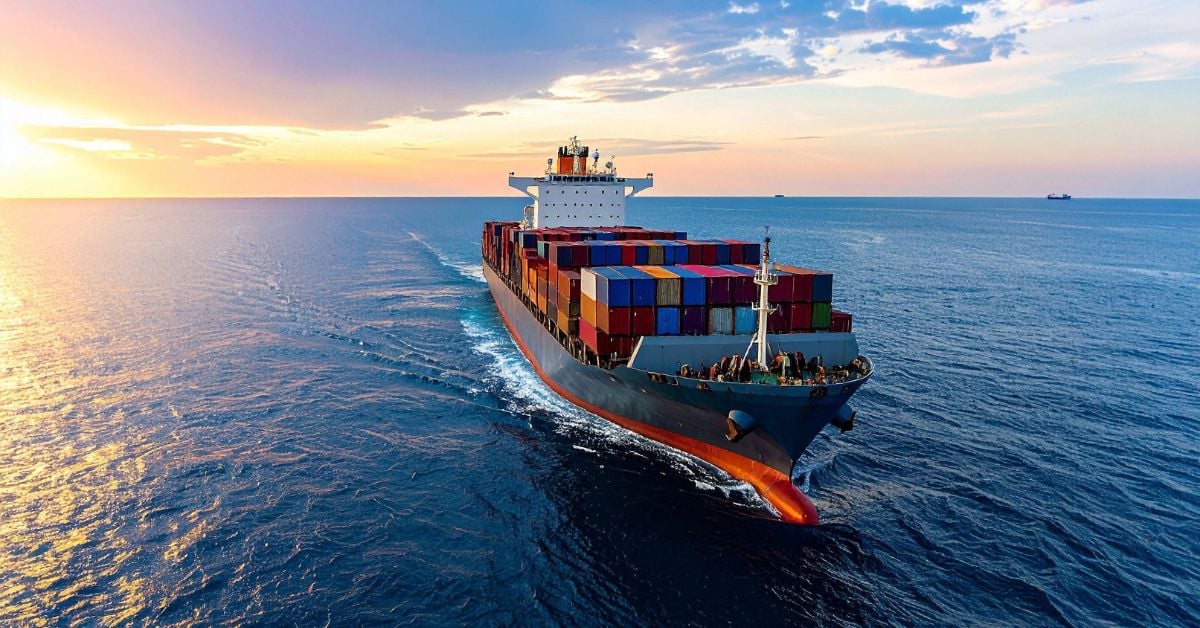
Brazilian Ethanol Powers First Container Ship, Marking Sustainable Shipping Advance
The first container ship powered by Brazilian-made ethanol departed Santos early Tuesday, a practical step toward decarbonizing maritime trade. This is not a distant concept; it is a working vessel, fueled by a biofuel already produced at scale. The move signals that cleaner shipping is not limited to batteries or ammonia, but can also build on established agricultural strengths. For related context on how marine routes are being redrawn, see our coverage of integrated subsea infrastructure shifts enhancing Indian Ocean connectivity.