ecosystem health
ecosystem health at World Data Ocean is a file of 36 stories. The newest of them: “Data-Driven Fisheries: Empowering Sustainability and Productivity.”, “Chlorella's Role in Coastal Ecosystems: Function, Promise, and Future Research”, and “Sex Differences in Pompano Response to Hypoxia Highlight Vulnerability”. Empowering small-scale fisheries and aquaculture transcends mere tools; it hinges on the intelligence that informs their use. Coastal ecosystems are vital to global productivity and socioeconomic stability, supporting sustainable fisheries and biodiversity while regulating nutrient balance. A Global Hub for Ocean Intelligence 4 World Data Ocean is a centralized digital platform where researchers, scientists, and ocean enthusiasts converge to… The list below is every ecosystem health story on World Data Ocean, newest first.
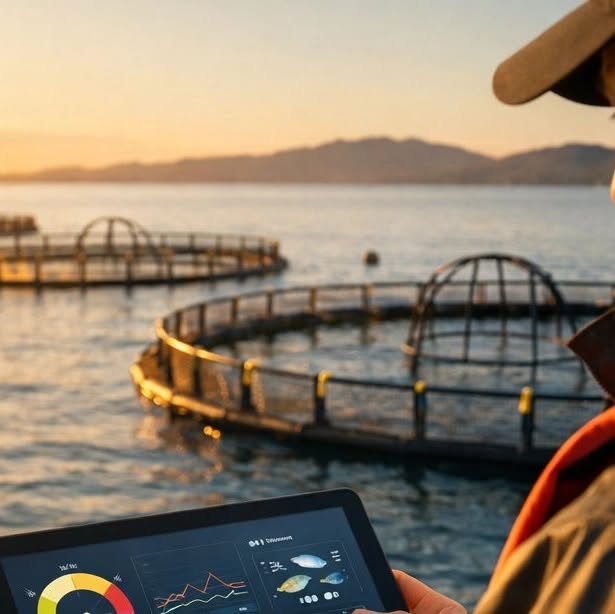
Data-Driven Fisheries: Empowering Sustainability and Productivity.
Empowering small-scale fisheries and aquaculture transcends mere tools; it hinges on the intelligence that informs their use. At World Data Ocean, we recognize that sustainability and productivity flourish when grounded in empirical data. Through Blue Ocean Data Solutions, we collaborate with small and medium enterprises to integrate real-time monitoring into their operations, providing instant insights into vital metrics like water quality and fish health. This approach not only enhances decision-making but also supports a resilient blue economy.

Chlorella's Role in Coastal Ecosystems: Function, Promise, and Future Research
Coastal ecosystems are vital to global productivity and socioeconomic stability, supporting sustainable fisheries and biodiversity while regulating nutrient balance. However, human activities are disrupting these systems, leading to issues like eutrophication and community restructuring. Chlorella, a genus of unicellular green microalgae, is recognized for its ecological importance and industrial applications, including pollution mitigation and biofuel production.
Sex Differences in Pompano Response to Hypoxia Highlight Vulnerability
Severe hypoxic events, exacerbated by climate change and coastal eutrophication, pose significant threats to marine ecosystems and commercially important species like the golden pompano (Trachinotus blochii). This study investigates the sex-specific physiological and microbial responses of golden pompano subjected to hypoxia and subsequent reoxygenation. By analyzing intestinal health, microbiota composition, and transcriptome profiles, we aim to enhance understanding of how each sex responds to environmental stress. Findings will inform targeted management strategies and nutritional interventions, vital for the sustainability of golden pompano aquaculture.

North-East Atlantic Sets Stricter Limits on Ship Emissions.
The International Maritime Organization (IMO) has officially adopted the world's largest Emission Control Area (ECA) in the North-East Atlantic, aimed at regulating ship emissions. This significant move establishes binding limits on the maximum fuel sulfur content for vessels operating in these waters, effectively addressing the critical issues of sulfur oxides and fine particulate matter. By implementing these stringent regulations, the IMO underscores its commitment to enhancing air quality and safeguarding marine ecosystems, while promoting sustainable shipping practices in a rapidly changing climate.
Panama’s Coastal Waters: Biodiversity and Drivers of Harmful Algal Blooms
Harmful algal blooms (HABs) are increasingly recognized as significant ecological and public health threats in tropical coastal ecosystems, particularly where biodiversity meets rising human pressures. This study presents the first comprehensive assessment of toxic microalgae across Panama’s Pacific and Caribbean waters, identifying 234 taxa linked to various shellfish poisoning syndromes. Monthly phytoplankton surveys and exploratory observations reveal environmental factors shaping these assemblages.
Stranded Heavy Fuel Oil Weakens Sea Cucumber Immune Response
Stranded heavy fuel oil (HFO) poses significant risks to coastal ecosystems, yet its immunotoxic effects on benthic deposit-feeders like the sea cucumber Apostichopus japonicus remain underexplored. This study utilized an oiled gravel column system to simulate stranded HFO weathering and tidal flushing, evaluating immunotoxic responses over 21 days at varying oil concentrations. Findings indicated that exposure led to dose- and time-dependent impairments in innate immune defense, with reactive oxygen species levels correlating negatively with immune biomarkers.
Coral Microbiomes Reveal Latitude-Dependent Heat Stress Impacts
Soft corals are vital to benthic ecosystems, contributing to structural complexity and nutrient cycling while maintaining symbiotic relationships with diverse microbes. This study investigates the impact of heat stress on the microbiomes of three Malacalcyonaceans—Alcyonium haddoni from polar regions, Alcyonium acaule from temperate zones, and Sinularia sp. from tropical environments. By analyzing bacterial communities through 16S rRNA amplicon sequencing, we reveal how extreme thermal anomalies affect coral-microbiota associations, highlighting the ecological pressures of rising seawater temperatures on coral resilience and ecosystem
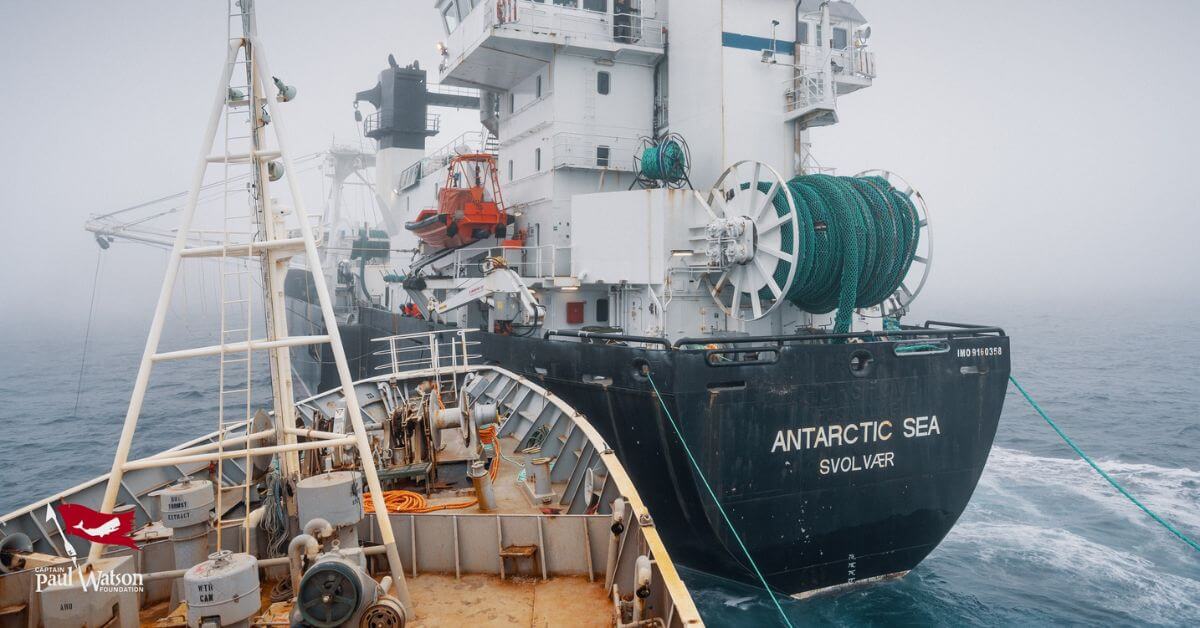
Antarctic Confrontation: Activists Target Krill Harvesting Vessel.
In a bold demonstration of activism, an activist vessel has intentionally collided with a ship belonging to the world’s largest krill harvester in Antarctic waters. This incident is part of “Operation Krill Wars,” a campaign launched by conservationists aimed at halting krill fishing in this ecologically sensitive region. The campaign underscores the urgent need for ocean stewardship and highlights the critical role krill play in the Antarctic ecosystem.
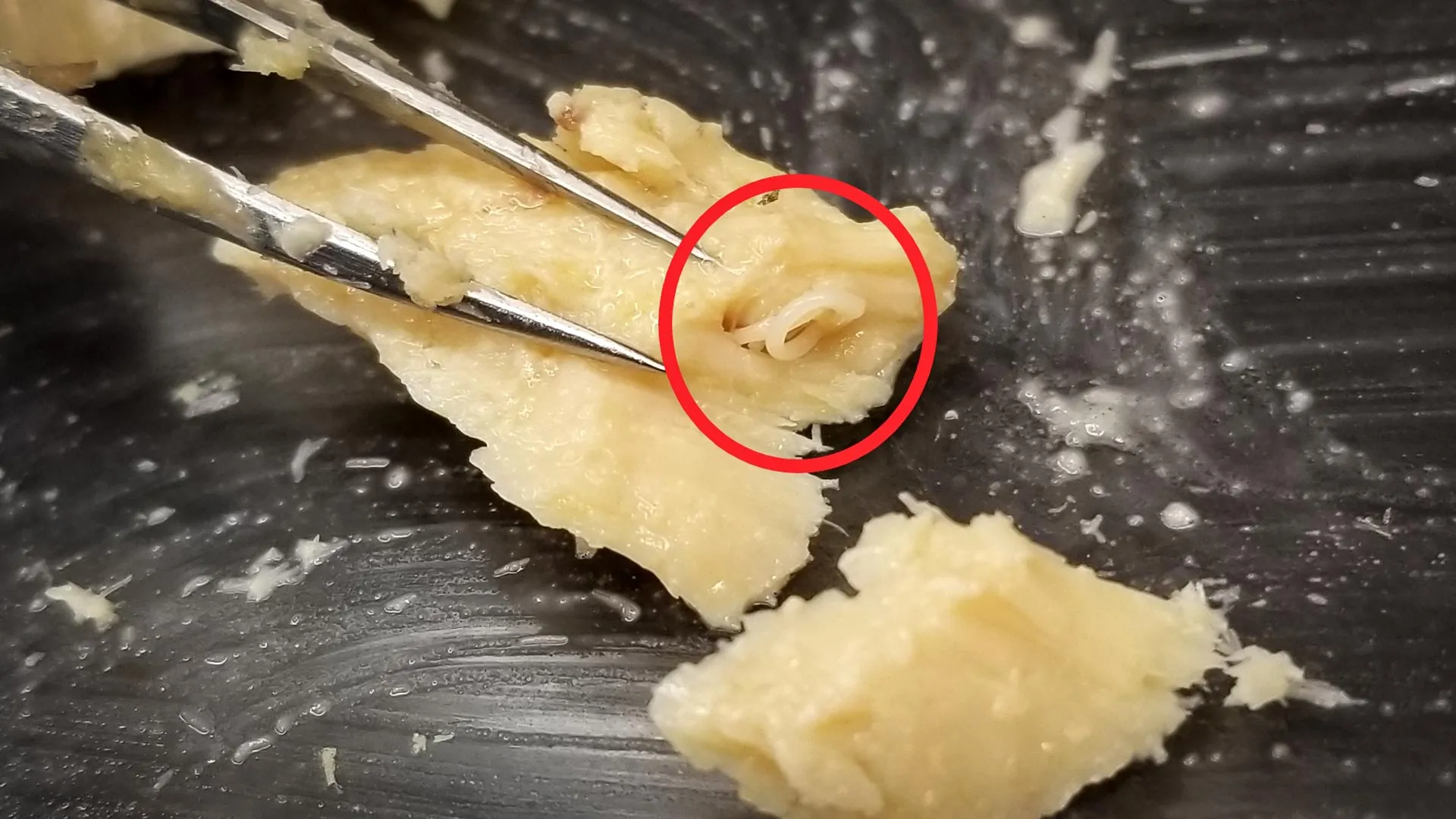
Unexpected Parasites in Old Salmon Reveal Decades of Ocean Recovery
Researchers have uncovered a surprising indicator of ocean recovery in a 40-year-old can of salmon. Analysis reveals rising levels of tiny parasitic worms within certain salmon species, suggesting the development of more robust and interconnected marine food webs. These parasites rely on multiple hosts, including marine mammals, indicating a gradual ecosystem recovery over decades. While old canned salmon may seem unappetizing, it serves as a time capsule, highlighting significant improvements in ocean health that reflect the resilience of marine ecosystems.
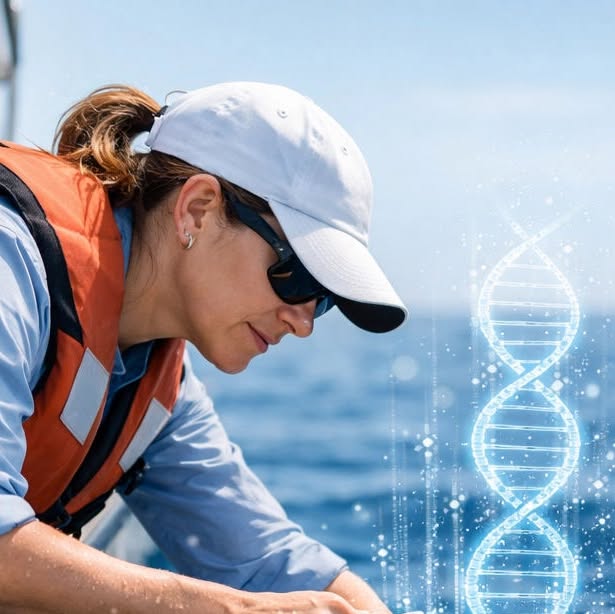
eDNA: Unlocking Ocean Biodiversity with Microscopic Samples
Did you know that a single 1.5-liter water sample can provide more insights into ocean biodiversity than traditional net surveys? Welcome to the transformative world of environmental DNA (eDNA) analysis. At World Data Ocean, we are harnessing these innovative datasets to empower researchers and policymakers in mapping thousands of marine species with unmatched accuracy. By utilizing advanced technology, we are enhancing the efficiency and accessibility of marine science, enabling real-time monitoring of ecosystem health and the discovery of elusive deep-sea life.
Protecting a Critical Population: Urgent Action for Rice's Whales
The Rice’s whale (Balaenoptera ricei) is critically endangered, with fewer than 50 individuals remaining in the Gulf of Mexico, making it America's only native whale. Urgent action is needed to protect this unique species, as no Critical Habitat has been designated, leaving them vulnerable to threats like ship strikes and pollution. We urge NOAA to take immediate steps to secure their future by designating a Critical Habitat under the Endangered Species Act.
Protecting Rice’s Whales: Urgent Action Needed for a Critically Endangered Species
The Rice’s whale (Balaenoptera ricei), one of the most endangered marine mammals, is on the brink of extinction, with fewer than 50 individuals remaining in the Gulf of Mexico. Urgent action is needed to protect these whales by designating a NOAA-critical habitat, which would implement measures like speed limits for ships and restrictions on offshore drilling. By signing and sharing this petition, you can help safeguard America’s only native whale and contribute to the preservation of our marine ecosystems. Act now to protect Rice’s whales!