detention
detention at World Data Ocean is a file of 8 stories. The newest of them: “Automated terminal systems close billing gaps while ensuring FMC compliance”, “Arctic LNG 2 vessel detained in Norway after weather shelter inspection”, and “Navigating Autonomy at Sea: Balancing Coastal Rights with Ocean Data Integrity”. Automated terminal systems close billing gaps while ensuring FMC compliance. A vessel linked to the Arctic LNG 2 project was detained in Norway this week after a weather shelter inspection. A Global Hub for Ocean Intelligence 4 World Data Ocean is a centralized digital platform where researchers, scientists, and ocean enthusiasts converge to… The list below is every detention story on World Data Ocean, newest first.

Automated terminal systems close billing gaps while ensuring FMC compliance
Automated terminal systems close billing gaps while ensuring FMC compliance. Connected operating systems like iTOMS automate container billing, eliminate revenue leakage, and track every yard event with calibrated precision. The result is measurable financial integrity across complex port operations. For deeper context on maritime infrastructure challenges, see our coverage of India's shipbuilding output needing an elevenfold scale-up to reach global competitiveness.
Arctic LNG 2 vessel detained in Norway after weather shelter inspection
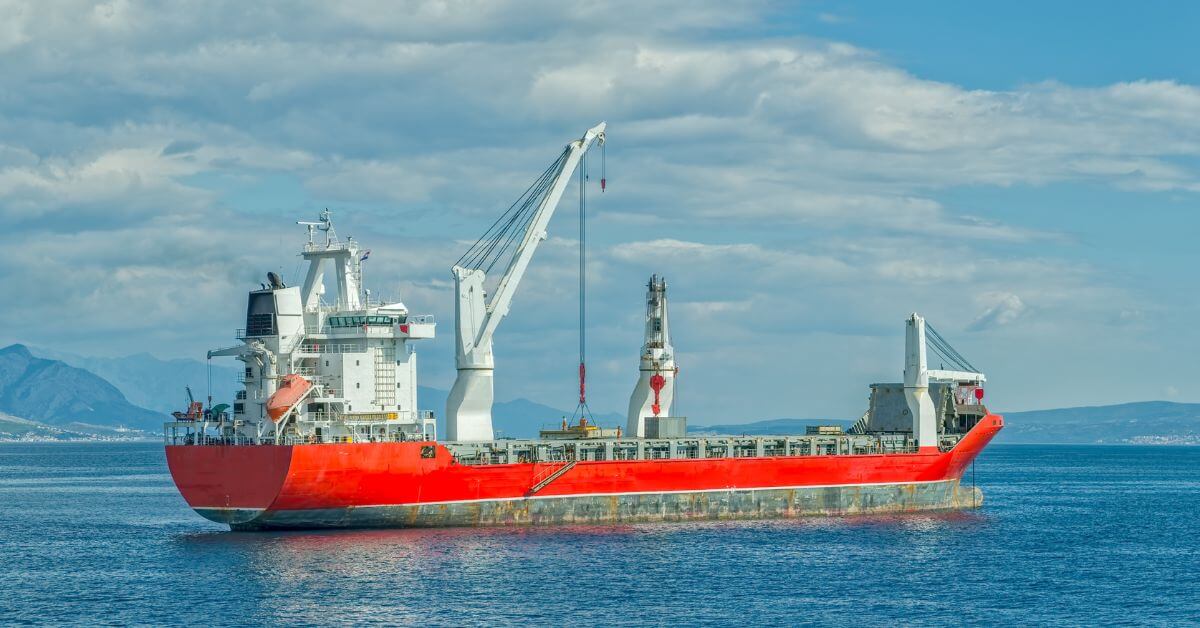
A vessel linked to the Arctic LNG 2 project was detained in Norway this week after a weather shelter inspection. Inspectors boarded the ship in Andfjorden, off the Vesterålen Islands, following its decision to seek refuge from rough conditions. The detention underscores the growing scrutiny around Arctic energy infrastructure and its operational risks. For a deeper look at how real-world conditions test theoretical marine engineering, see our related piece, "Theory Meets Engine Room in Marine Engineering Knowledge."

Navigating Autonomy at Sea: Balancing Coastal Rights with Ocean Data Integrity
The 2026 non-mandatory MASS Code marks a shift from hypothetical to operational for remotely operated ships with no persons on board. This raises a critical question: can environmental protection functions, pollution prevention, reporting, emergency response, be maintained at an equivalent level when the master's duties are redistributed across shipboard systems, a Remote Operations Centre, and external support? Coastal States must navigate pre-incident regulation and post-incident enforcement without impairing innocent passage under UNCLOS.
From paper trail to data flow: streamlining port clearance with EDI
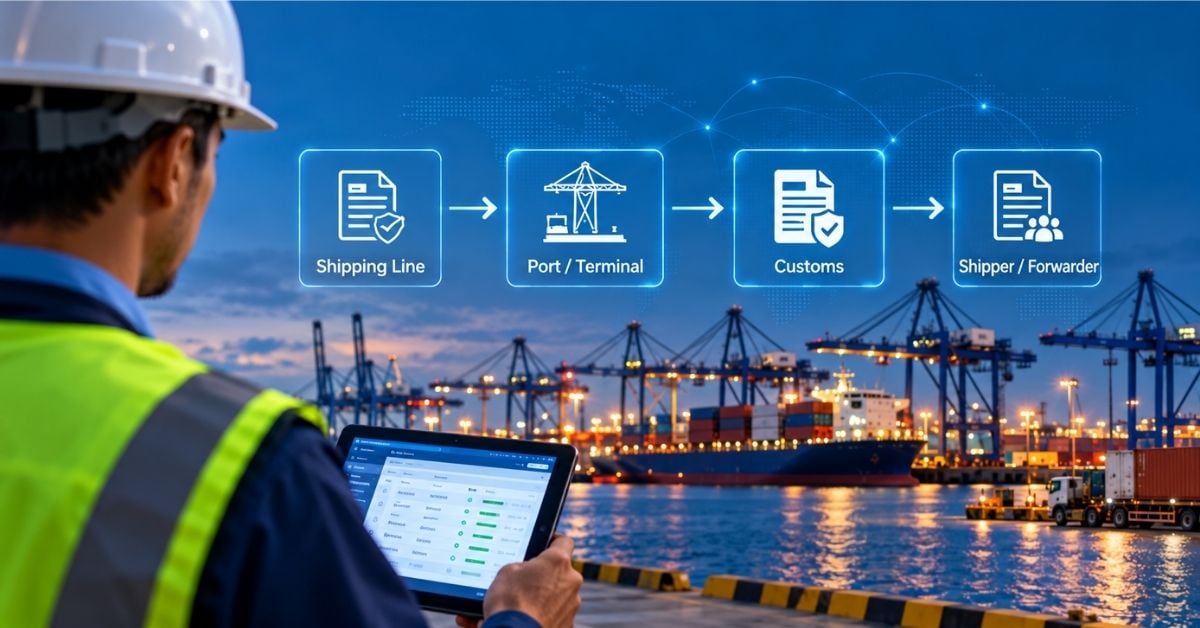
Paper trails slow ports down, but Electronic Data Interchange replaces them with a direct, validated data flow between every stakeholder in clearance. This isn't just digitization, it is the integration of real-time business information into a single, calibrated process. Understanding drives efficiency. For deeper context on how validated innovation earns recognition, see our coverage of INFYZ Solutions Private Limited's Maritime Innovation Excellence Award.
Collision in Valderhaugfjorden Triggers Maritime Detainment for Investigation
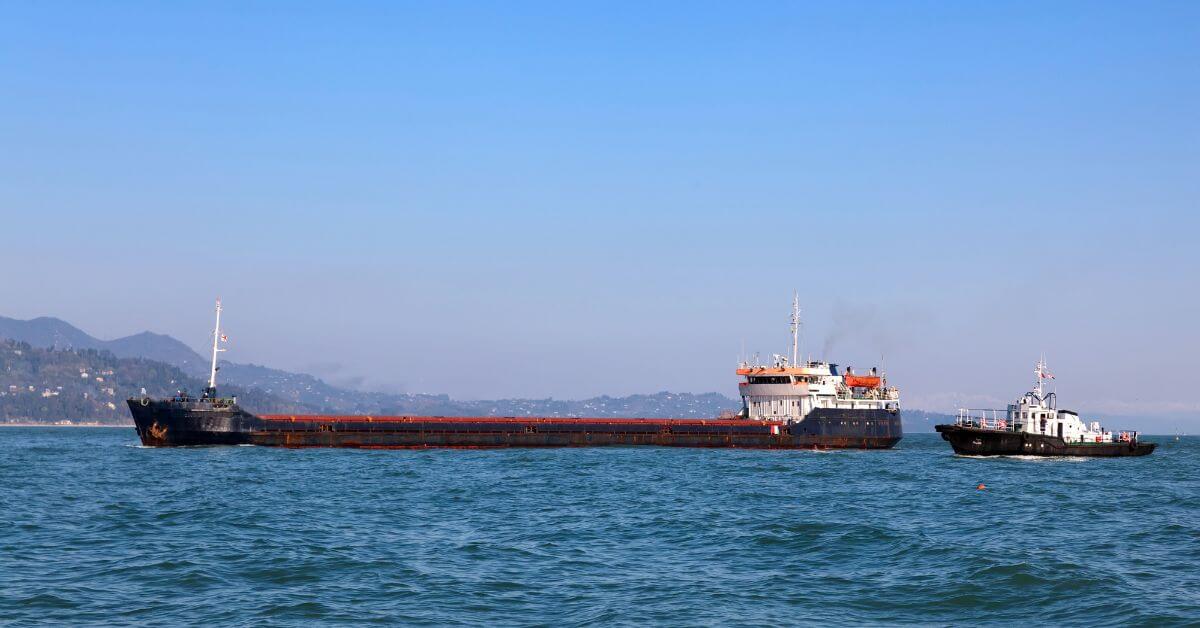
A collision involving three vessels in the narrow waters of Valderhaugfjorden, near Ålesund, has triggered a formal maritime detainment for investigation. Such incidents in constrained channels demand precise, empirical analysis of navigational data and human factors. The event underscores the persistent risks in congested sea lanes. For a parallel examination of maritime security challenges, our coverage of the delayed reports confirming five IRGC vessel incidents in the Strait of Hormuz offers further context.
Samsung Alleges Shipping Act Violations by CMA CGM.
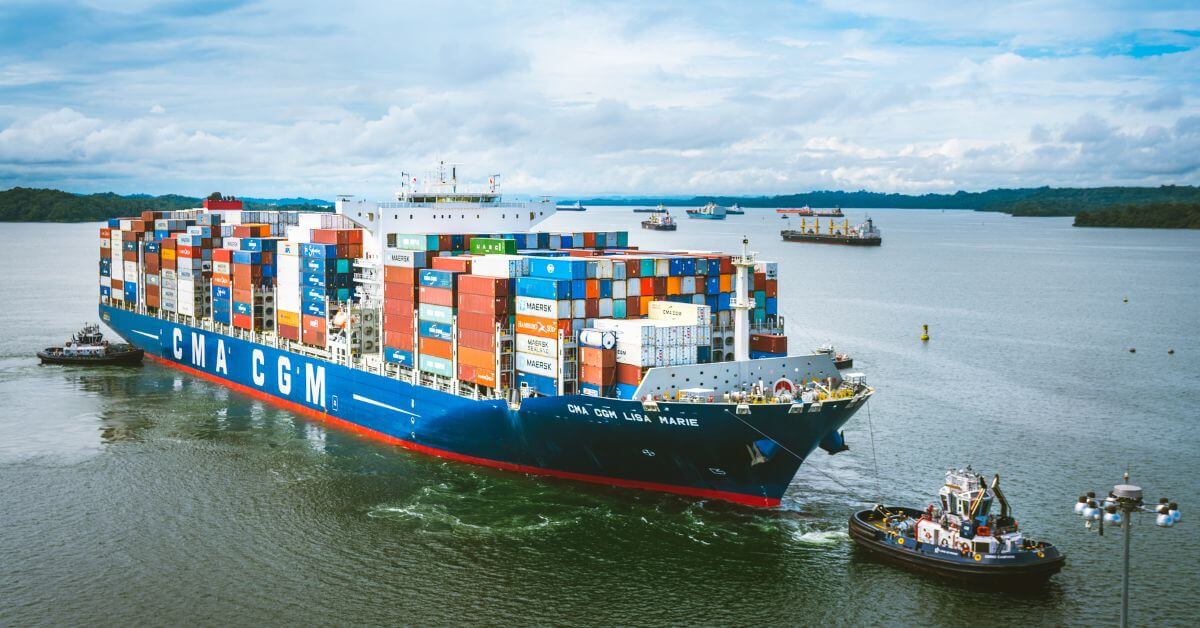
Samsung Electronics America has filed a complaint with the U.S. Federal Maritime Commission against CMA CGM, alleging Shipping Act violations. The move signals growing tension between major shippers and carriers over contractual accountability. It is a reminder that ocean intelligence must include legal scrutiny, not just logistical performance. As global supply chains face mounting pressure, disputes like this one carry real consequences.

Iran Escalates Strait of Hormuz Control with Shipping Restrictions.
Iran's new Strait of Hormuz authority moved late Sunday to impose shipping restrictions, a warning issued directly via social media. The move tightens control over a waterway that carries roughly a fifth of global oil supply. It is a calculated escalation, one that raises the stakes for every nation dependent on that passage. Coordination matters here; our related coverage on Gulf of Oman STS transfers maxing out underscores how strained regional logistics have already become. The pressure is measurable, and it is mounting.

Iran Enforces Transit Rules in Strait of Hormuz, Threatens Fines and Detentions
Iran's Ports and Maritime Organization now threatens fines and detentions for ships bypassing transit rules in the Strait of Hormuz, extending scrutiny to vessels linked with those already on its Non-Compliant Vessels list. The move tightens a choke point already strained by regional oil flows. Enforcement here is measured, but the message is clear: compliance is not optional. For broader context, our related piece on Gulf of Oman STS transfers shows how pressure is building across nearby shipping lanes.