decommissioned
3 stories filed under decommissioned on World Data Ocean. The newest of them: “Decommissioning of USS Enterprise Begins in Mobile Bay Safety Zone”, “Final voyage begins for pioneering nuclear carrier bound for Alabama dismantling”, and “Submarine Maintenance Backlog: $3.4 Billion Cost and Operational Impacts”. A safety zone now rings Mobile Bay and the Mobile River as the U.S. The world's first nuclear-powered aircraft carrier, USS *Enterprise*, has begun its final voyage to Mobile, Alabama, for dismantling. A Global Hub for Ocean Intelligence 4 World Data Ocean is a centralized digital platform where researchers, scientists, and ocean enthusiasts converge to… The list below is every decommissioned story on World Data Ocean, newest first.
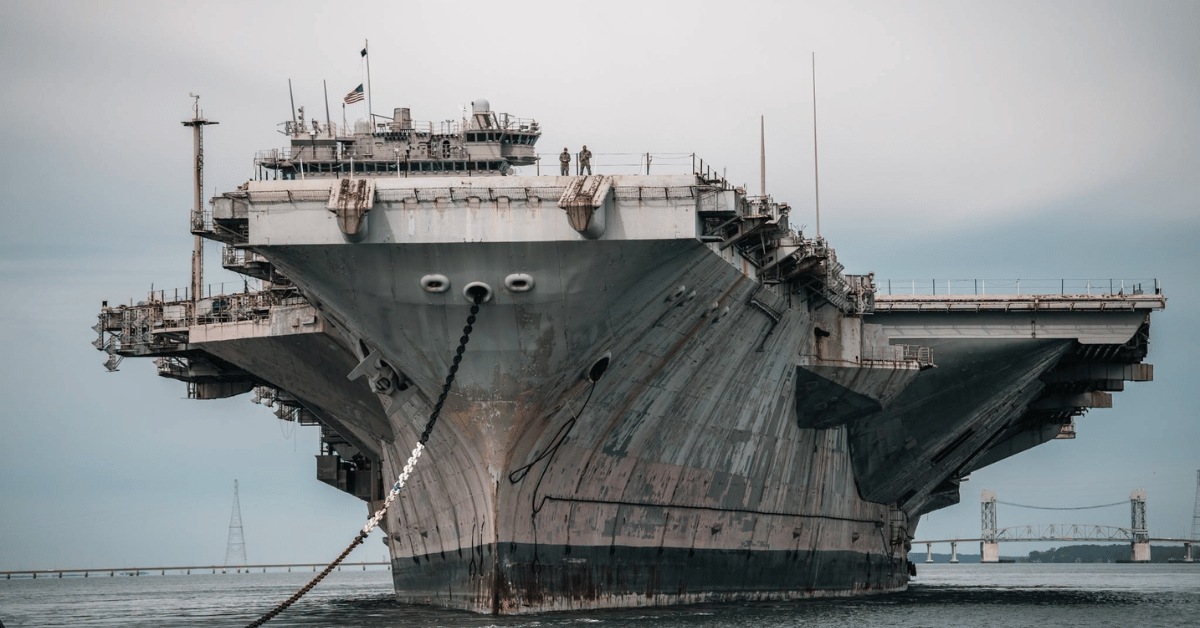
Decommissioning of USS Enterprise Begins in Mobile Bay Safety Zone
A safety zone now rings Mobile Bay and the Mobile River as the U.S. Coast Guard prepares for the dismantling of USS *Enterprise*, the world's first nuclear-powered aircraft carrier. This is not merely a retirement. It is a calibrated, measurable transition, where decades of naval innovation meet the practical demands of decommissioning. Understanding drives protection, even for a vessel that defined a generation of maritime power.
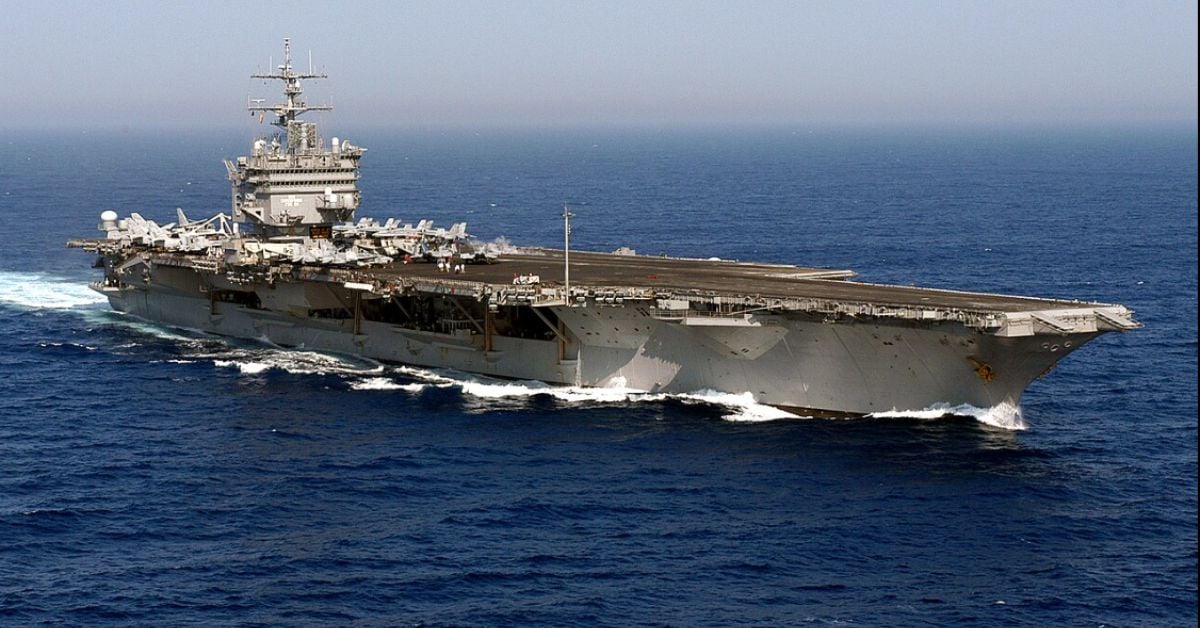
Final voyage begins for pioneering nuclear carrier bound for Alabama dismantling
The world's first nuclear-powered aircraft carrier, USS *Enterprise*, has begun its final voyage to Mobile, Alabama, for dismantling. A vessel that once projected power across oceans now returns to steel. This end of an era arrives as the Navy extends deployments to 11 months, reshaping operational timelines at sea, a story we cover in depth. Both events underscore a navy in transition, balancing legacy with future demands.
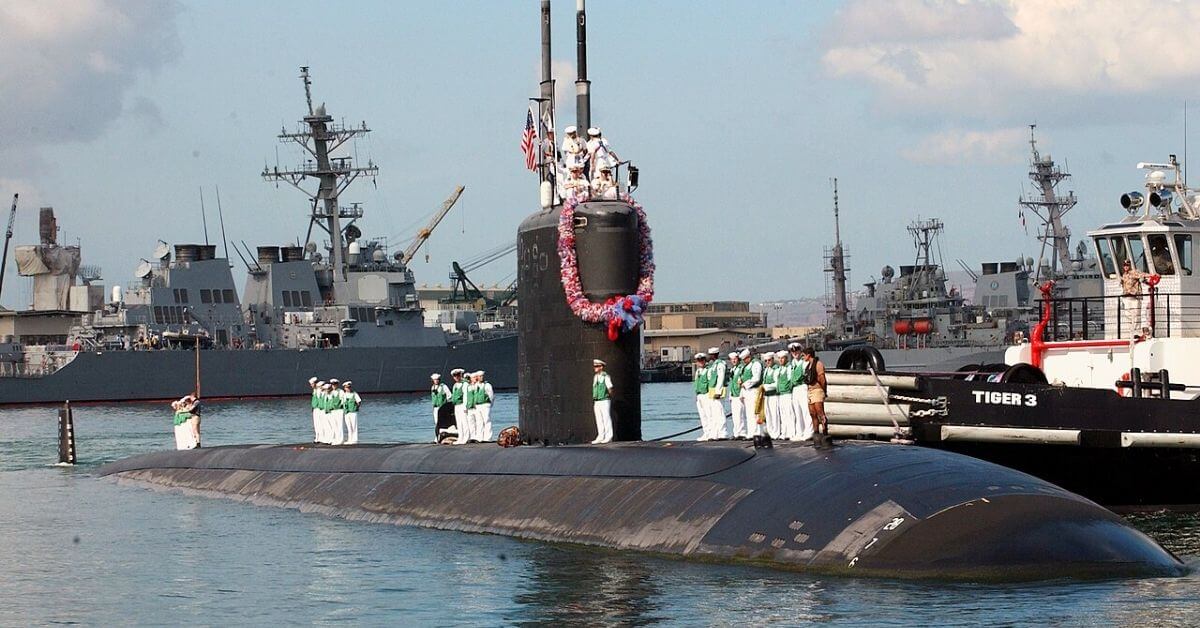
Submarine Maintenance Backlog: $3.4 Billion Cost and Operational Impacts
Fifteen submarines could sit idle for nearly 14,000 days combined between 2026 and 2030, a $3.4 billion backlog that signals a system straining under its own weight. The GAO's estimate is not abstract; it is lost operational capacity with real consequences for maritime readiness. We track these pressures closely, just as we do the Gulf of Oman STS Transfers Max Out Amid Rising Saudi Oil Exports, where infrastructure limits are equally visible.