debris
World Data Ocean keeps debris in one place: 7 stories so far. The section currently leads with “Mapping Ocean Plastic Accumulation to Future Climate Indicators”, “Search data confirms 71 lost as Virgo Transport 8 recovery continues”, and “Strait of Hormuz Incidents Prompt Inquiry Into Tanker Impacts”. Plastic doesn't just float; it accumulates in distinct ocean zones that now serve as measurable climate indicators. Divers recovered five more bodies from the sunken Virgo Transport 8, confirming 71 lives lost in this Indonesian ferry disaster. A Global Hub for Ocean Intelligence 4 World Data Ocean is a centralized digital platform where researchers, scientists, and ocean enthusiasts converge to… The list below is every debris story on World Data Ocean, newest first.
Mapping Ocean Plastic Accumulation to Future Climate Indicators
Plastic doesn't just float; it accumulates in distinct ocean zones that now serve as measurable climate indicators. Understanding where our debris settles reveals more than pollution patterns, it exposes future warming trajectories. Our World in Data maps this convergence, connecting observable accumulation zones to broader environmental shifts. The findings are empirical, calibrated, and urgent. For deeper context on how integrated data reshapes ocean observation, see our related piece "From orbit to ocean floor: integrated data reshapes our view of the sea."
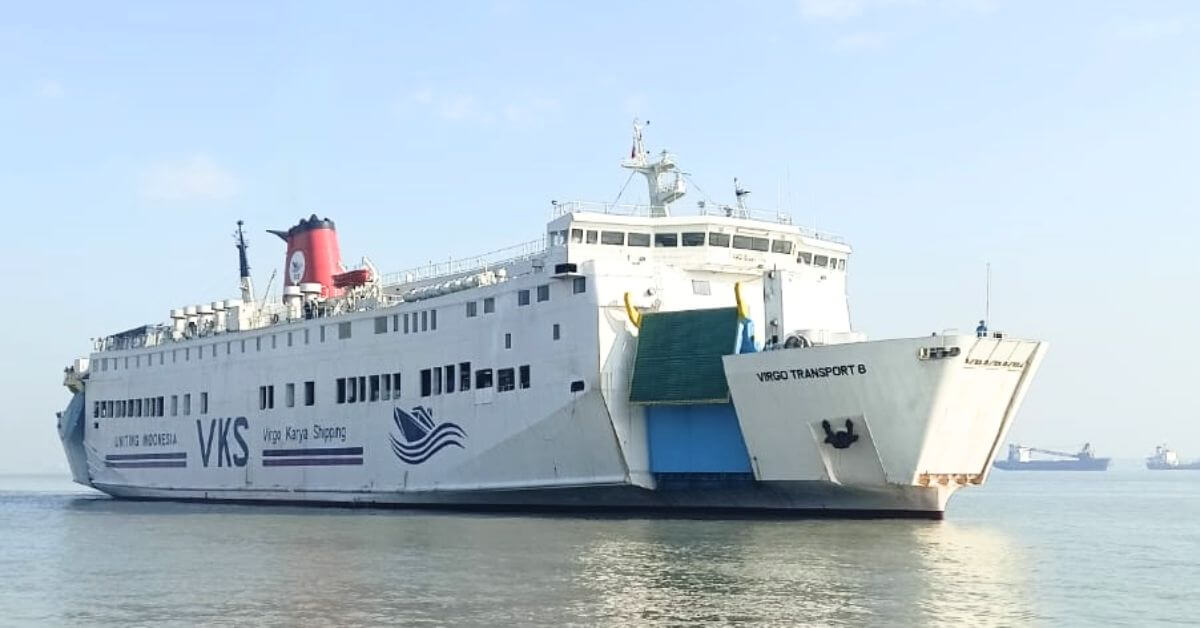
Search data confirms 71 lost as Virgo Transport 8 recovery continues
Divers recovered five more bodies from the sunken Virgo Transport 8, confirming 71 lives lost in this Indonesian ferry disaster. Each number represents a preventable tragedy. Recovery continues, but the search is no longer about rescue, it is about accountability. These accidents are not random; they are failures of oversight. For deeper context on disaster preparedness gaps, see our coverage of Nepal's early warning shortcomings. Understanding drives protection.
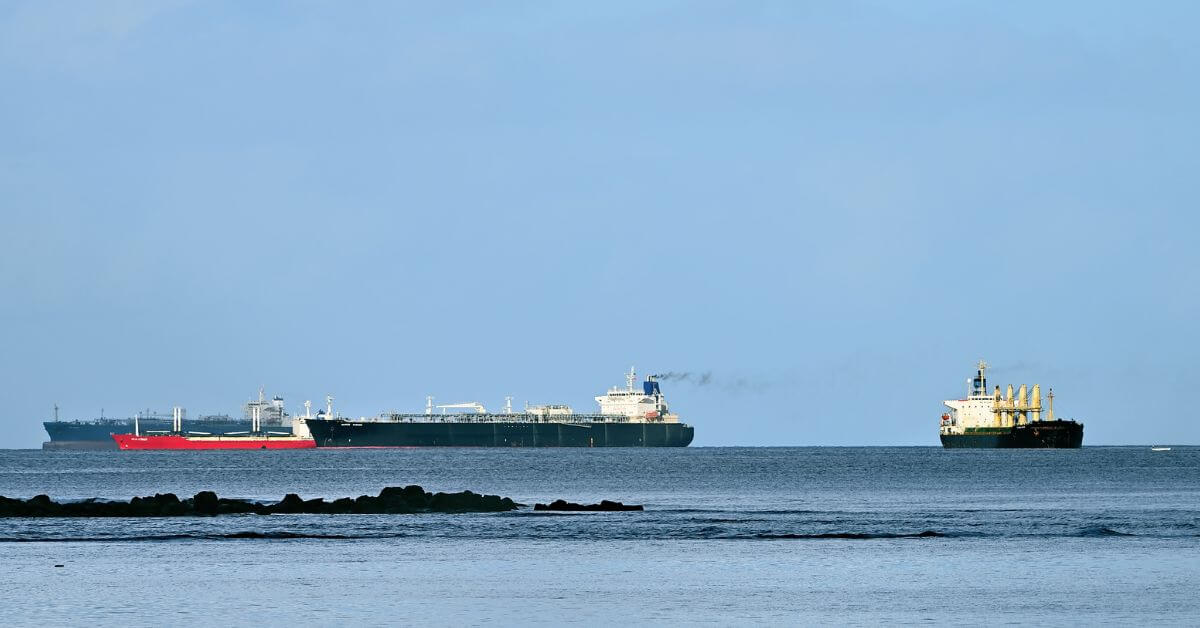
Strait of Hormuz Incidents Prompt Inquiry Into Tanker Impacts
Two tankers were struck by an unknown projectile or debris in the Strait of Hormuz on Monday, reigniting questions about the vulnerability of commercial shipping in one of the world's most vital waterways. The incident demands empirical scrutiny, not speculation, as we assess the measurable risks to vessels and crews. This is precisely why our coverage, including the recent report on Gulf of Oman STS transfers maxing out, must remain grounded in validated, real-time data.

Long-Term Data Reveals Rising Ghost Gear Threat to Mediterranean Loggerheads
A 28-year dataset from the Balearic Sea reveals a troubling escalation: entanglement in abandoned fishing gear, particularly from fish aggregating devices (FADs), is rising sharply among loggerhead sea turtles. This is not a distant problem, it is a transboundary crisis. Our study applies Lagrangian backtracking simulations to trace ghost FADs across the Western Mediterranean, linking multiple nations to the threat. Understanding drives protection. For deeper insights into sea turtle health, see our related article on validated protein analysis for *Caretta caretta*.
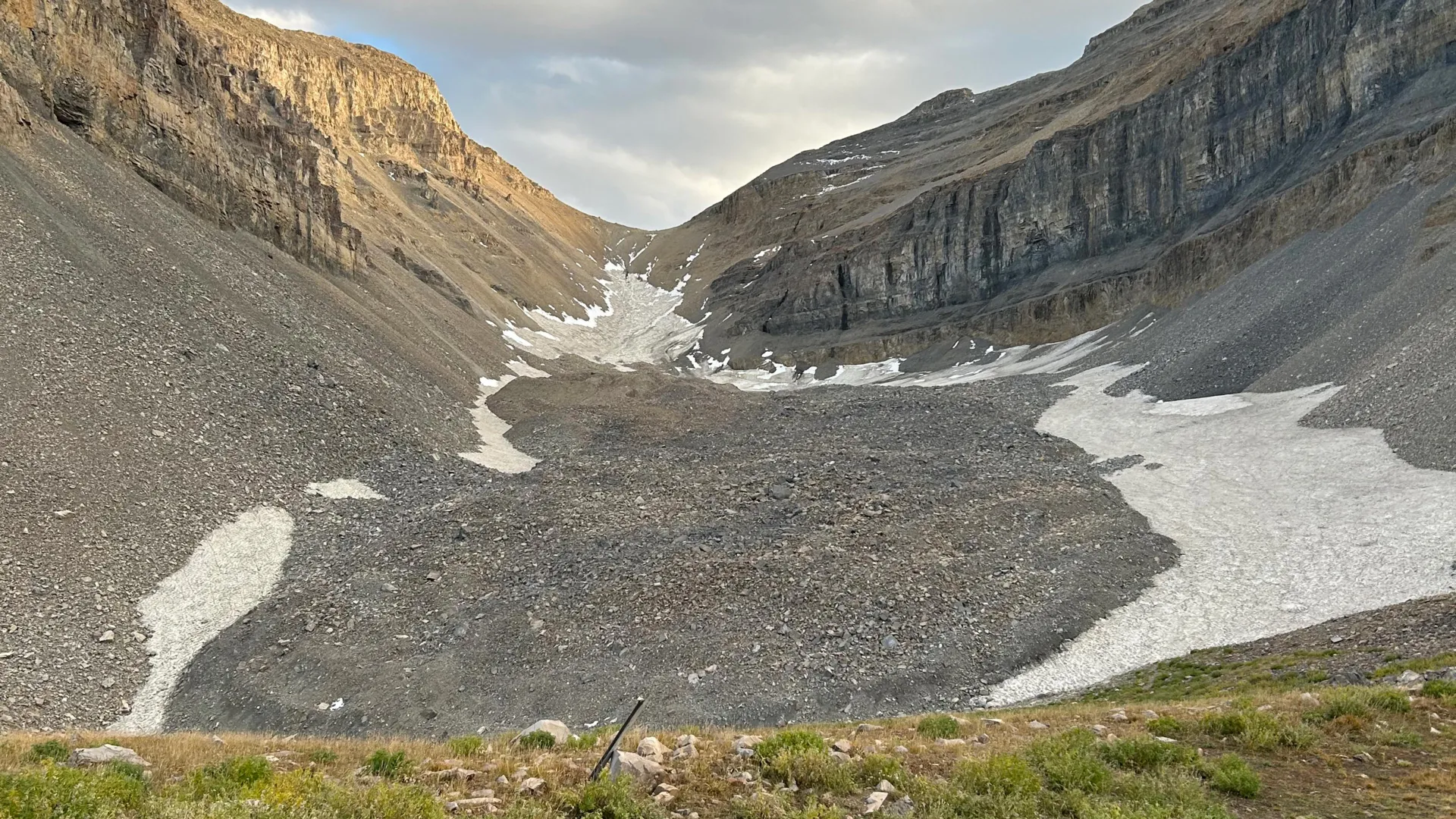
Hidden Ice Reservoir Discovered Beneath Utah’s Mountains
Beneath Mount Timpanogos's rocky slopes, gravity measurements have revealed a buried glacier composed of 83% ice, holding enough water to fill 600 Olympic swimming pools. This discovery clarifies how rock glaciers form when debris preserves persistent snow for millennia. The find is a measurable reminder that hidden water reserves may exist worldwide, potentially storing tens of gigatons. It complements our coverage of Cascadia's Subduction Zone Reveals a Fragmented Tectonic Process, reinforcing how much of Earth's subsurface dynamics remain unseen yet consequential.
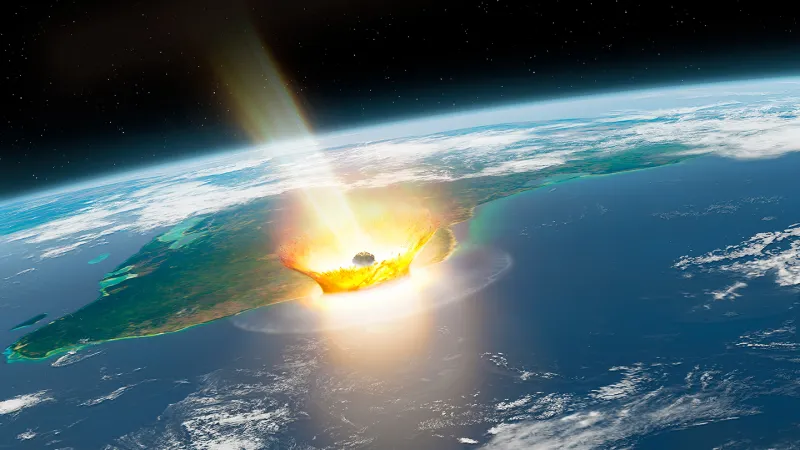
Rapid Atmospheric Heating: Asteroid Dust’s Role in Dinosaur Extinction
Within minutes of impact, debris began heating Earth's atmosphere, and fine dust trapped that heat. The result was a rapid, lethal spike in global temperatures. This mechanism, not the blast alone, may have killed the dinosaurs quickly. It is a stark reminder that extinction can arrive with terrifying speed. For a broader view of how Earth's systems respond to sudden change, see our coverage of the Cascadia Subduction Zone's fragmented tectonic process.

Rotor Blade Recovery Highlights North Sea Monitoring Challenges
A drifting rotor blade in the North Sea is a blunt reminder that offshore infrastructure demands constant vigilance. The German Federal Police and Waterways and Shipping Administration moved swiftly to recover the broken component, yet the incident underscores how dynamic and unforgiving these waters remain. Recovery is one thing; prevention is another. For readers tracking maritime risks, our coverage of the *Strait of Hormuz Incidents* offers a parallel look at how quickly debris can threaten navigation.