customs
7 stories filed under customs on World Data Ocean. The newest of them: “Gate Delays Expose Critical Link in National Trade Flow”, “Evaluating Maritime Port Digitalization: A Global Survey by the IMO”, and “Nagoya 2026 Asian Games: Cruise Ship to Host Athlete Village”. A single container gate may appear unremarkable, yet its operational rhythm sets the tempo for national trade flow. The IMO's new global survey on Maritime Single Windows turns a critical lens on how digitalization actually performs in the field. A Global Hub for Ocean Intelligence 4 World Data Ocean is a centralized digital platform where researchers, scientists, and ocean enthusiasts converge to… The list below is every customs story on World Data Ocean, newest first.
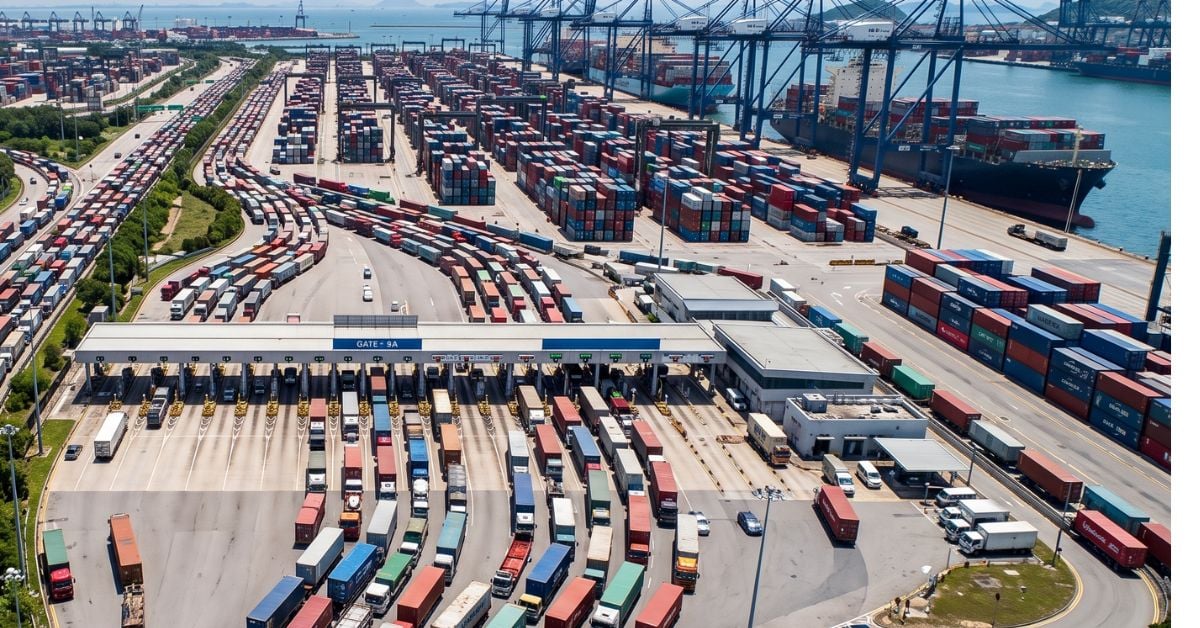
Gate Delays Expose Critical Link in National Trade Flow
A single container gate may appear unremarkable, yet its operational rhythm sets the tempo for national trade flow. When delays accumulate at this critical juncture, the ripple effect on export-import volumes is immediate and measurable. We see this bottleneck as a calibrated indicator of broader supply-chain health. Understanding this link is not optional; it is essential for integrated logistics planning.
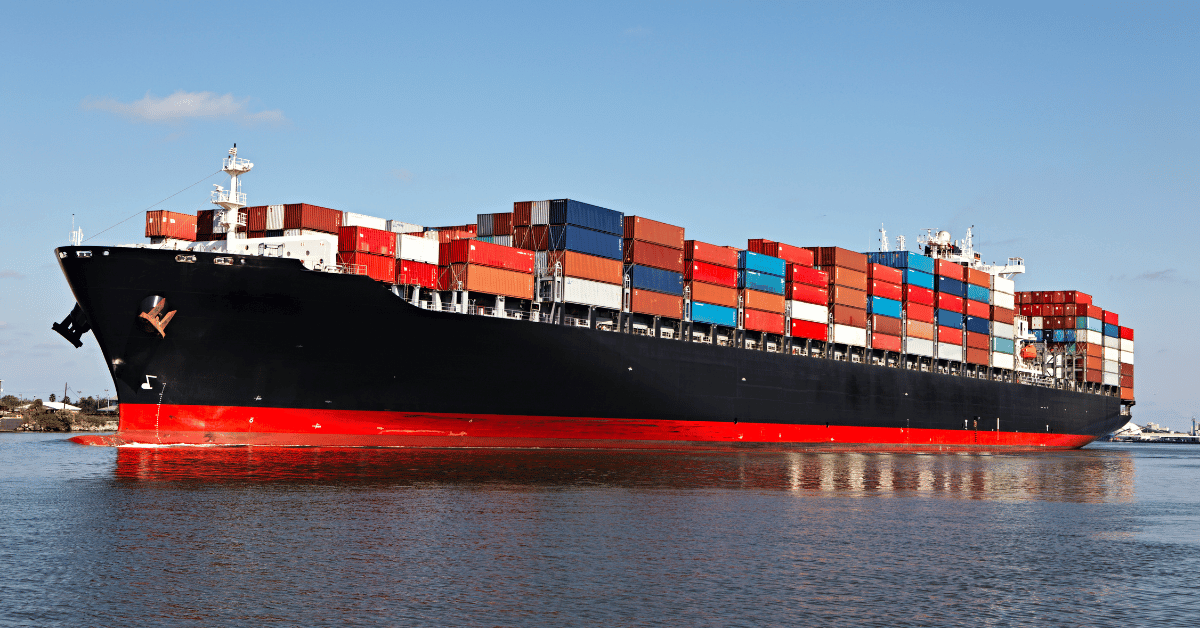
Evaluating Maritime Port Digitalization: A Global Survey by the IMO
The IMO's new global survey on Maritime Single Windows turns a critical lens on how digitalization actually performs in the field. By inviting stakeholders to report their experiences and challenges, the organization is treating port efficiency as a measurable, shared goal rather than a theoretical one. It is a practical move toward refining the data ecosystem that underpins global shipping. For context on how such infrastructure intersects with geopolitical pressures, our coverage of Russia's icebreaker financing offers a useful parallel.
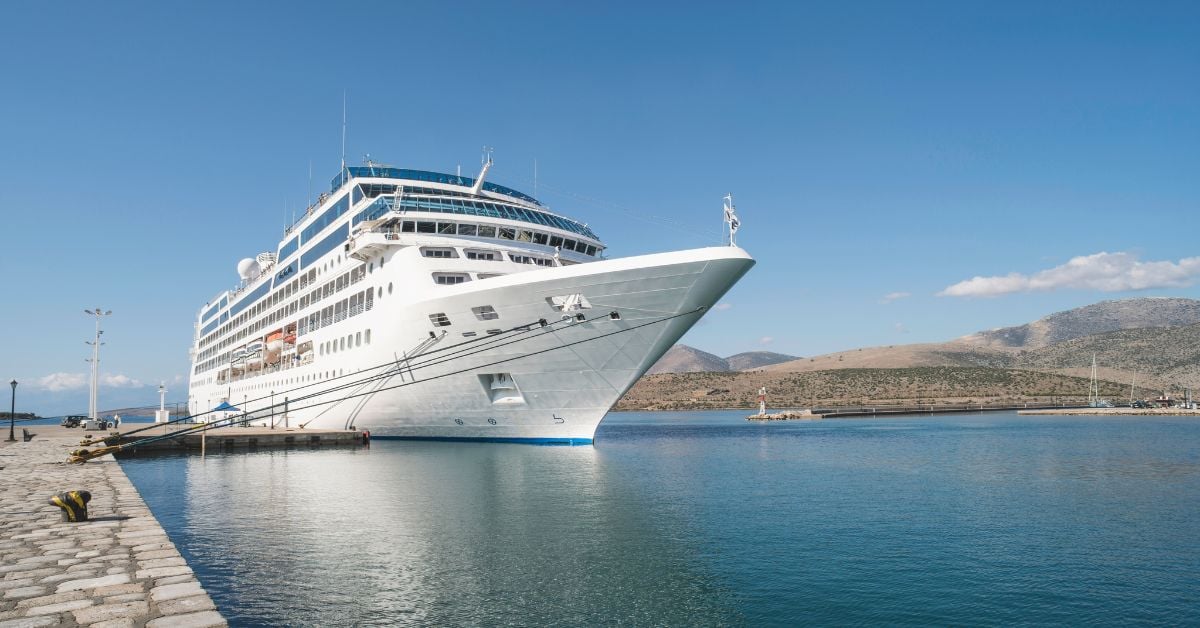
Nagoya 2026 Asian Games: Cruise Ship to Host Athlete Village
Japan has selected a cruise ship to house athletes for the 2026 Asian Games, opening in Nagoya on September 19. The decision reflects a practical, forward-looking approach to large-scale event logistics, one that prioritizes adaptability without sacrificing comfort. It is a measured solution, and we respect the operational clarity behind it. For more on maritime challenges, see our coverage of the cargo ship fire near Mykonos. Understanding these systems, from port to open water, is essential to building resilient infrastructure.

Maritime Interdiction: Indonesian Authorities Seize Major Methamphetamine Shipment
Indonesian authorities intercepted 2.6 tons of liquid methamphetamine aboard a Tanzanian-flagged vessel in Riau waters, a significant strike against regional trafficking networks. The seizure underscores the value of persistent maritime surveillance, where open-water routes remain a favored corridor for illicit cargo. Enforcement actions like this are measurable wins, yet they also highlight the scale of the challenge facing coastal states.
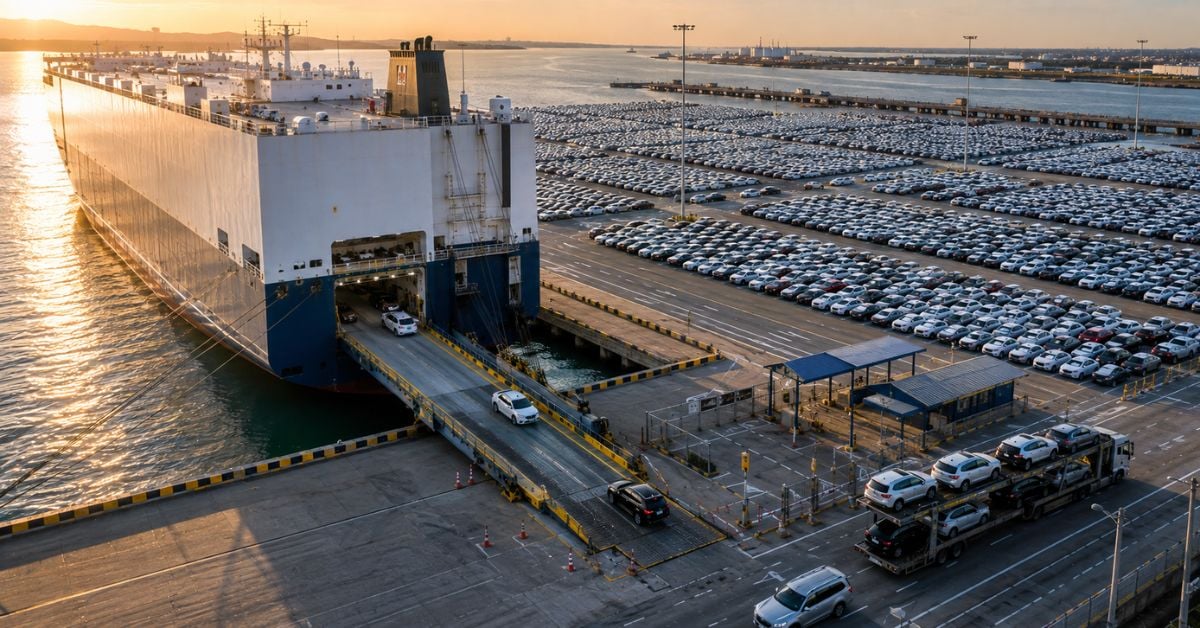
Real-Time Visibility: Optimizing Terminal Operations with Modern TOS Systems
A terminal's true competitive edge lies in its ability to see clearly. Modern Terminal Operating Systems integrate machinery, workflows, and departments into a single, calibrated view, delivering real-time visibility into both current activity and what must happen next. This isn't about flashy dashboards; it's about measurable, operational intelligence. For those exploring how data ecosystems drive efficiency, our coverage of integrated subsea cables shows a similar principle at scale. Understanding the flow of information is the first step to mastering it.

China’s Five-Year Plan: Transforming Ports Through Integrated Maritime Strategy
China's latest Five-Year Plan prioritizes major maritime gateways first, then targets underperforming ports for closure. That sequencing is pragmatic, but the mandate to shutter low performers signals a harder edge in Beijing's maritime strategy. Efficiency, not sentiment, will steer port investment. This aligns with broader shifts in regional logistics, such as the Gulf of Oman STS Transfers Max Out Amid Rising Saudi Oil Exports, where capacity constraints are already reshaping trade flows.

U.S. LNG Reaches China, Signaling Potential Shift in Trade Dynamics.
A U.S. LNG cargo has docked at a Chinese port for the first time since tariffs interrupted direct trade. The shipment signals a recalibration, though not a resolution, of a complex commercial relationship. Measured moves like this matter; they build the empirical record of how energy flows adapt to policy pressure. For deeper context on shifting trade routes, our piece on record port activity offers a useful counterpoint. The data will tell us if this is momentum or an anomaly.