crude exports
crude exports at World Data Ocean is a file of 4 stories. The newest of them: “Singapore-flagged vessel with 2,500 containers sinks in Strait of Hormuz”, “Strait of Hormuz tensions rise as Iran signals new maritime restrictions”, and “Red Sea crude flows rise as Strait of Hormuz disruptions reshape global routes”. A Singapore-flagged container vessel carrying 2,500 containers has sunk in the Strait of Hormuz after being struck by an unidentified projectile and catching fire. The Strait of Hormuz is once again a flashpoint, with Iran signaling new maritime restrictions even as Gulf oil exports rise. A Global Hub for Ocean Intelligence 4 World Data Ocean is a centralized digital platform where researchers, scientists, and ocean enthusiasts converge to… The list below is every crude exports story on World Data Ocean, newest first.
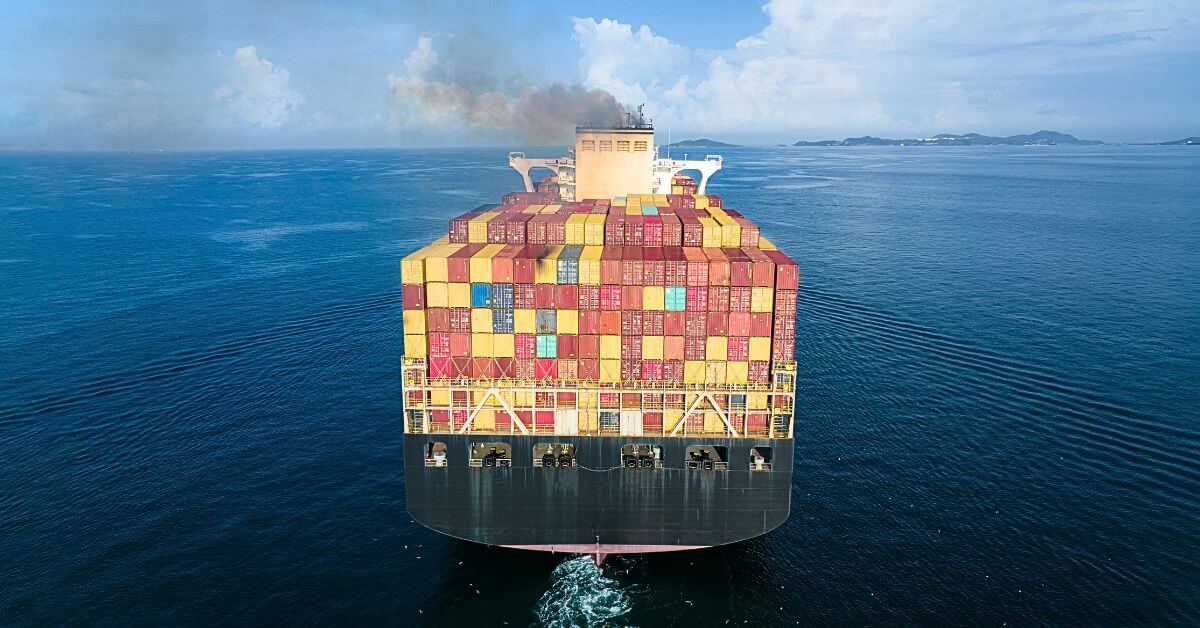
Singapore-flagged vessel with 2,500 containers sinks in Strait of Hormuz
A Singapore-flagged container vessel carrying 2,500 containers has sunk in the Strait of Hormuz after being struck by an unidentified projectile and catching fire. The loss of a major commercial ship in one of the world's most strategically vital waterways demands rigorous, verifiable maritime data. This incident underscores the urgent need for integrated ocean intelligence, a capability central to our coverage of regional security in "Strait of Hormuz Posture Raises Stakes for Maritime Data Verification."
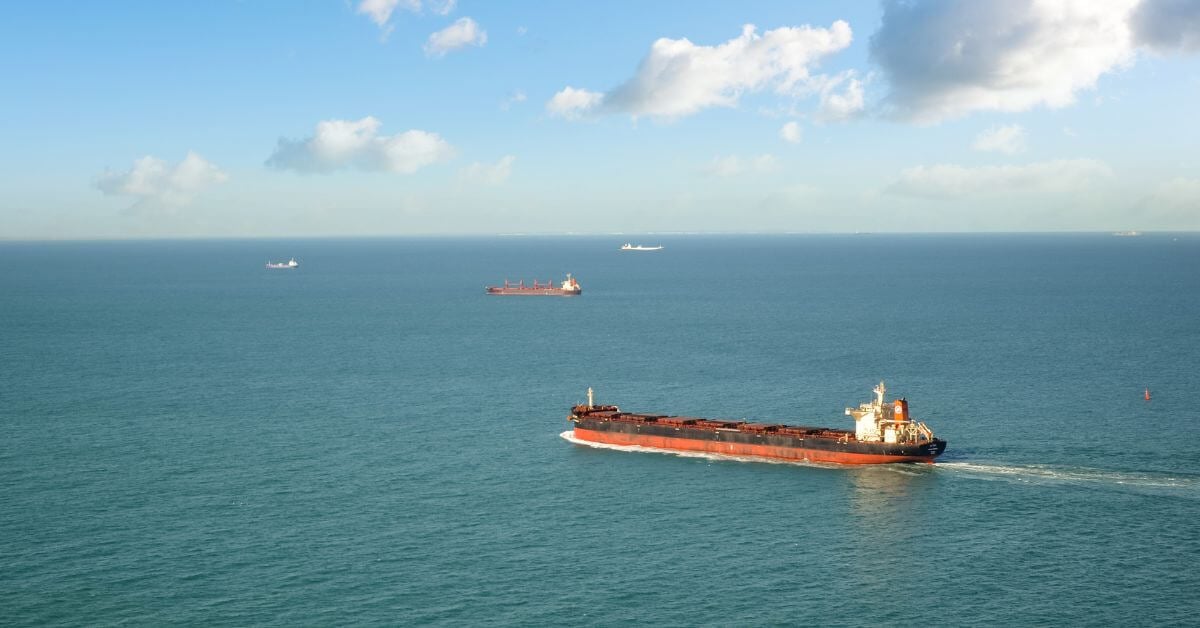
Strait of Hormuz tensions rise as Iran signals new maritime restrictions
The Strait of Hormuz is once again a flashpoint, with Iran signaling new maritime restrictions even as Gulf oil exports rise. Tanker attacks and logistical disruptions continue to plague shipments, a reality reflected in risk premiums exceeding $100,000 per month for captains. These are not abstract tensions; they are measured, empirical challenges to global energy flow. Our related coverage on those soaring risk premiums offers a deeper look at the human and economic cost. Understanding these dynamics is the first step toward protecting maritime stability.
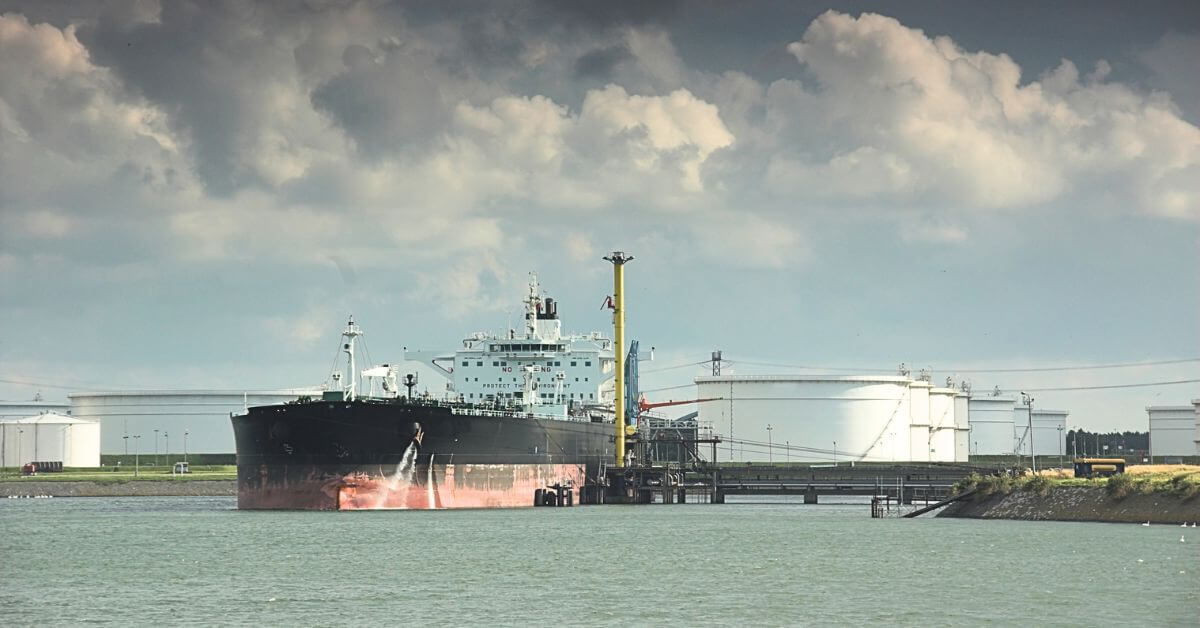
Red Sea crude flows rise as Strait of Hormuz disruptions reshape global routes
Crude loadings at Yanbu have held at roughly 2 million barrels per day since last week, according to trade estimates. This surge in Red Sea flows signals a tangible recalibration of global routes as Strait of Hormuz disruptions force new calculations. The shift is measurable and consequential for energy security. For deeper context on maritime risk, see our coverage of the vessel struck by an unknown projectile in the Strait of Hormuz. Understanding these patterns is essential, because where oil moves, ocean intelligence follows.

Red Sea Attacks Disrupt Oil Flow, Raising Regional Tensions.
Two more Saudi oil tankers came under attack in the Red Sea, pushing the total since the blockade began to nine. That is not a rounding error; it is a direct strain on a vital shipping lane. Each incident raises the cost of moving crude and tightens an already stretched market. The pattern is clear: regional tensions are now a measurable factor in global oil flow.