critical infrastructure
World Data Ocean keeps critical infrastructure in one place: 6 stories so far. The section currently leads with “Drone Attacks Ignite Russian Tankers Off Romania's Black Sea Coast”, “Baltic Allies Validate Uncrewed Target Engagement in Gulf of Bothnia Exercise”, and “Global data integrity depends on swift undersea cable repairs”. Two tankers of Russian origin were struck by drones off Romania's Black Sea coast, igniting fires that underscore the growing intersection of geopolitical conflict and maritime risk. A U.S. A Global Hub for Ocean Intelligence 4 World Data Ocean is a centralized digital platform where researchers, scientists, and ocean enthusiasts converge to… The list below is every critical infrastructure story on World Data Ocean, newest first.
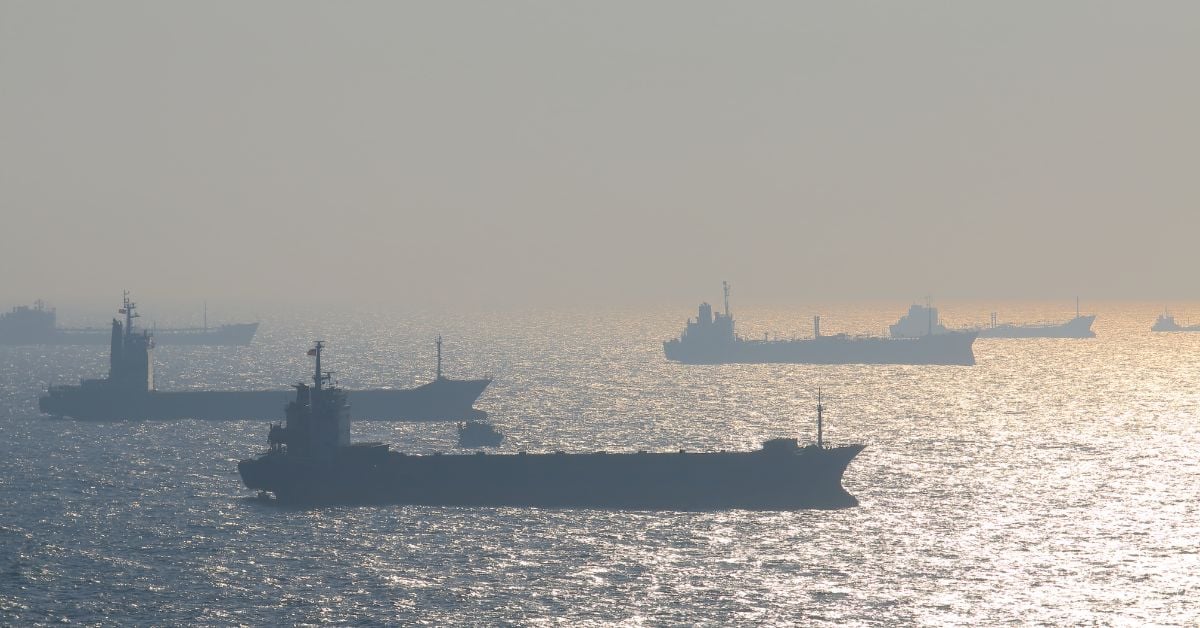
Drone Attacks Ignite Russian Tankers Off Romania's Black Sea Coast
Two tankers of Russian origin were struck by drones off Romania's Black Sea coast, igniting fires that underscore the growing intersection of geopolitical conflict and maritime risk. This incident demands empirical attention: such attacks disrupt trade routes and threaten marine ecosystems in a region already under environmental stress. For deeper context on how shifting trade dynamics and climate pressures are reshaping shipping, see our related coverage on maritime fees signaling friction in trade amid climate and shipping integration.
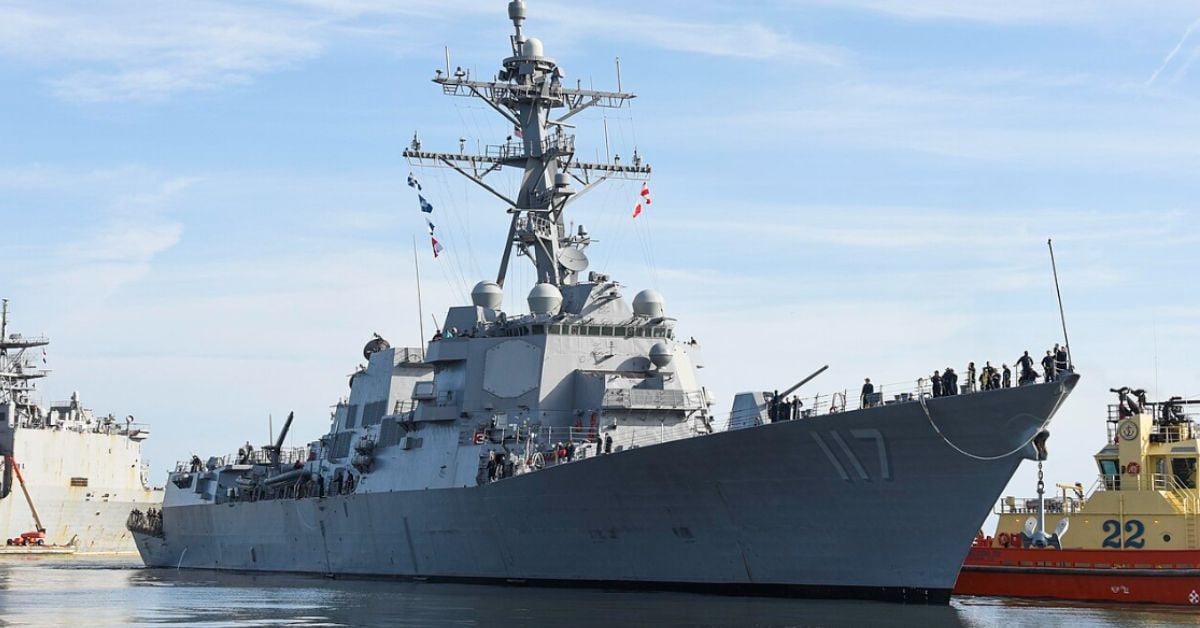
Baltic Allies Validate Uncrewed Target Engagement in Gulf of Bothnia Exercise
A U.S. Navy destroyer's participation in a joint exercise with Swedish and Finnish personnel in the Gulf of Bothnia is a measurable demonstration of integrated allied capability. Validating uncrewed target engagement in these waters sharpens the empirical data needed for coordinated maritime defense. Understanding drives protection. For deeper context on allied naval posture, see our coverage of *HMS Dragon's return narrowing Royal Navy presence in the Gulf*.
Global data integrity depends on swift undersea cable repairs
A single severed undersea cable can stall global data flows for millions. The Bulletin of the Atomic Scientists underscores that rapid repairs aren't just technical, they're essential for maintaining global data integrity. Nations must coordinate swiftly when these critical links break. This isn't alarmism; it's empirical reality. Our related coverage on submerged servers, from *Scientific American*, explores how China's underwater data centers further push the frontier of efficient ocean intelligence, connecting infrastructure resilience with innovation.

Disruption on East-West Pipeline Impacts Saudi Oil Export Routes.
A 1,200-kilometer artery of Saudi crude has been disrupted. The East-West Pipeline, which bypasses the Strait of Hormuz to deliver oil to Red Sea terminals, now faces operational impacts. This is not merely a logistical snag; it is a stress test for alternative export routes. When a calibrated system falters, the ripple effects are measurable. For deeper context on regional bottlenecks, see our coverage of "Gulf of Oman STS Transfers Max Out Amid Rising Saudi Oil Exports."

NATO Intervenes to Prevent Russian Subsea Cable Disruption Exercise
NATO intervened to prevent a Russian exercise aimed at disrupting subsea cables, a direct challenge to the global data networks we rely on. Two Western officials confirmed the vessels were stopped and later departed. This is not an isolated provocation. Our related coverage of *Russian Maritime Activity Raises Concerns of Drone Operations in Mediterranean* suggests a pattern of calibrated, high-risk behavior. Protecting ocean intelligence infrastructure is no longer theoretical; it is an operational necessity. Understanding drives protection.
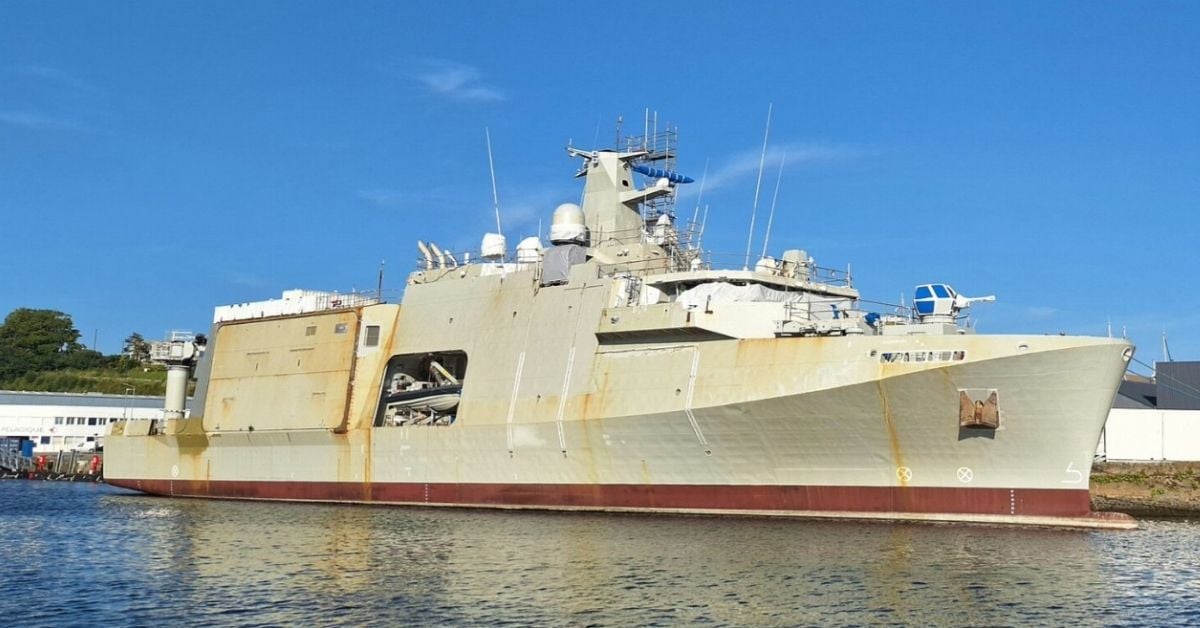
Bolstering Black Sea Security: Bulgaria Acquires Minehunters for Maritime Protection
Bulgaria is adding seven minehunters from Belgium and the Netherlands to its naval arsenal, a measured step toward securing Black Sea shipping lanes against naval mines. This acquisition is less about spectacle and more about practical defense, addressing a real and present hazard to commercial traffic. It is a sensible move, though one that also signals how tense the region has become. For broader context on Moscow's maritime ambitions, our piece on Russia's Arctic export plans offers a useful counterpoint.