crew training
crew training at World Data Ocean is a file of 4 stories. The newest of them: “Aircraft Carrier John F. Kennedy Reaches 99% Completeness Ahead of 2027 Handover”, “Reliable Power for Global Healthcare: Wärtsilä Supports Mercy Ships' Mission”, and “Nuclear-Powered Shipping: U.S. Advances Maritime Technology and Global Trade.”. 99% complete and fully integrated. Reliable power is the quiet backbone of global healthcare, and Wärtsilä's new multi-year service agreements with Mercy Ships ensure that truth holds steady at sea. A Global Hub for Ocean Intelligence 4 World Data Ocean is a centralized digital platform where researchers, scientists, and ocean enthusiasts converge to… The list below is every crew training story on World Data Ocean, newest first.
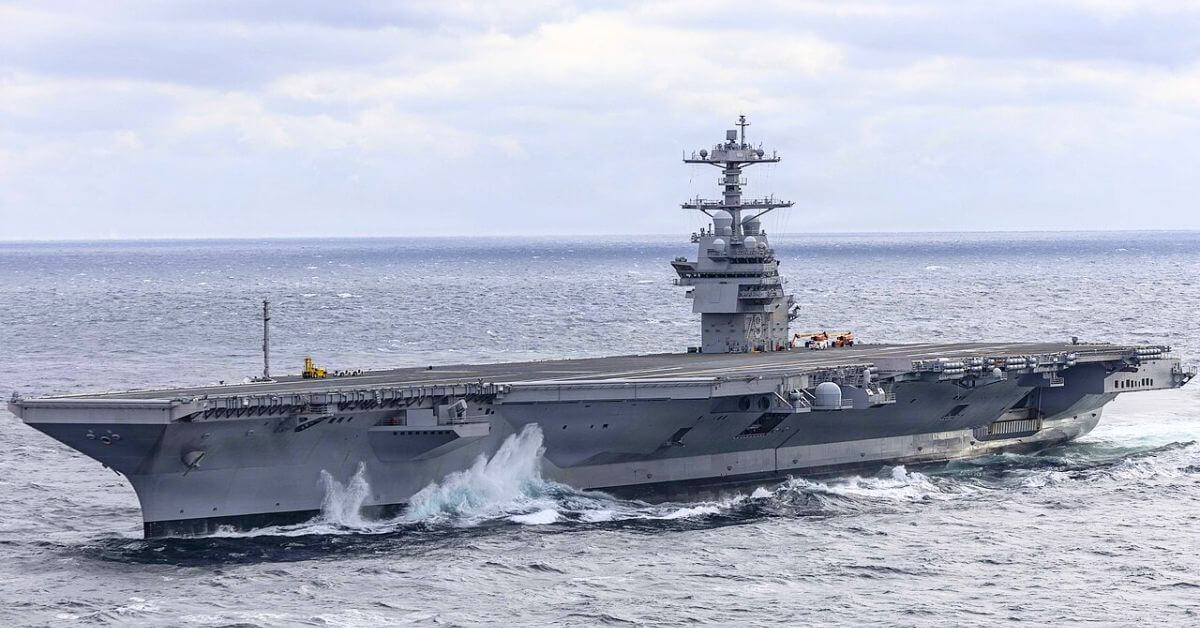
Aircraft Carrier John F. Kennedy Reaches 99% Completeness Ahead of 2027 Handover
99% complete and fully integrated. The future USS John F. Kennedy is nearly ready, with all major systems finished and handover to the Navy on track for spring 2027. This is what measured, validated progress looks like. For perspective on the full lifecycle of carriers, read our piece on the *Carrier Bush Arriving in Thailand*, which explores operational readiness after deployment. Precision engineering like this builds the ocean intelligence we rely on for global security.
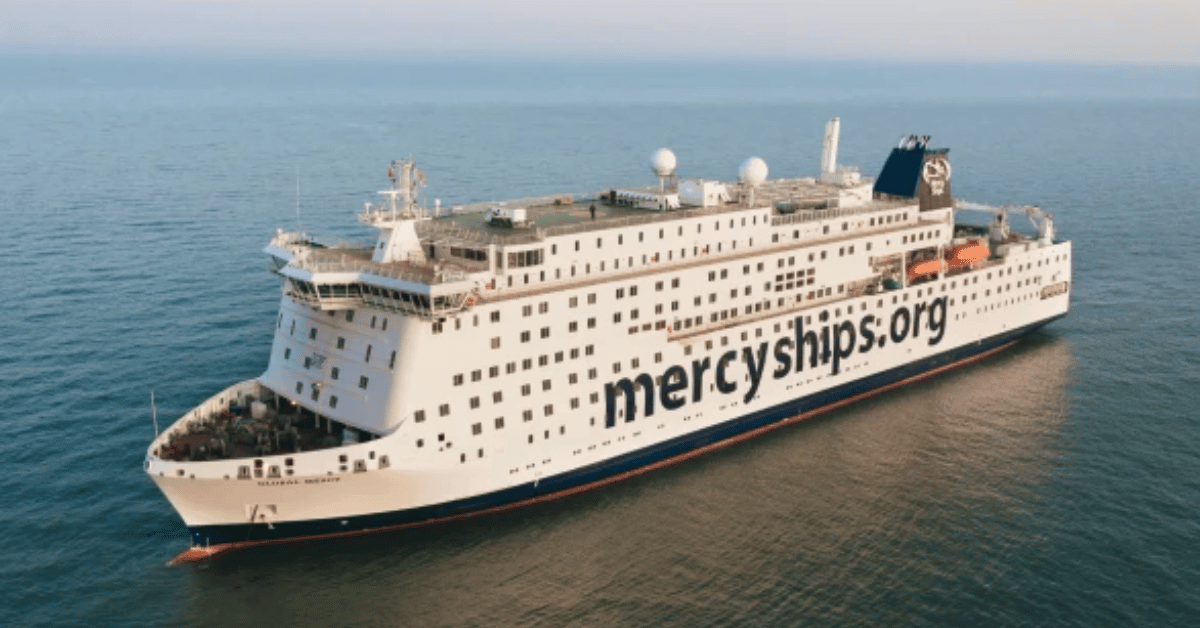
Reliable Power for Global Healthcare: Wärtsilä Supports Mercy Ships' Mission
Reliable power is the quiet backbone of global healthcare, and Wärtsilä's new multi-year service agreements with Mercy Ships ensure that truth holds steady at sea. By enhancing the reliability and maintenance of the organization's two hospital ships, this partnership sustains critical medical missions where uptime is non-negotiable. It is a measured, practical commitment to operational excellence. For broader context on how climate shifts affect health logistics, our related coverage on shifting malaria risks in Africa offers a telling parallel.

Nuclear-Powered Shipping: U.S. Advances Maritime Technology and Global Trade.
The agreement targets the practical hurdles that must be cleared before nuclear-powered merchant ships can operate commercially, a step toward measurable progress in maritime technology. This is not abstract ambition; it is about calibrating safety, regulatory, and operational standards that could reshape global trade routes. The timing aligns with rising pressure on shipping infrastructure, as seen in the Gulf of Oman STS Transfers Max Out Amid Rising Saudi Oil Exports. Validated solutions here would integrate nuclear capability with real-world logistics, advancing ocean intelligence.

Alternative Fuels: UK Shipping Assesses Safety for a Net Zero Transition
Safety is the quiet foundation of shipping's energy transition, and the UK Chamber of Shipping's new report ensures it is not overlooked. The assessment addresses the practical risks of alternative fuels, grounding the net zero shift in empirical, peer-reviewed scrutiny rather than optimism alone. That measured approach matters for an industry where precision is non-negotiable. For those tracking how such operational data integrates with broader ocean intelligence, our related piece on bridging data gaps through citizen science offers a useful complement to this safety-first perspective.