cooling
cooling at World Data Ocean is a file of 7 stories. The newest of them: “Patents for underwater data centres show China leading in energy-efficient innovation”, “Industrial shifts and a cooling climate converged to weaken bone health in historic Europe”, and “China's Shanghai coast hosts first wind-powered subsea datacentre”. China holds 80% of the world's patents for underwater data centres, a measurable lead in energy-efficient innovation as global energy demands rise. Industrial shifts and a cooling climate converged to weaken bone health in historic Europe, revealing how human activity and environmental change can interact in unexpected ways. A Global Hub for Ocean Intelligence 4 World Data Ocean is a centralized digital platform where researchers, scientists, and ocean enthusiasts converge to… The list below is every cooling story on World Data Ocean, newest first.
Patents for underwater data centres show China leading in energy-efficient innovation
China holds 80% of the world's patents for underwater data centres, a measurable lead in energy-efficient innovation as global energy demands rise. This is not about hype, it is about validated, real-time ocean intelligence integrated with infrastructure. For a deeper look at how scientists are documenting life in these same waters, see our coverage of *Discovering wonder in the Southern Ocean's hidden depths*. Understanding drives protection, and patents are one calibrated indicator of where that protection is heading.

Industrial shifts and a cooling climate converged to weaken bone health in historic Europe
Industrial shifts and a cooling climate converged to weaken bone health in historic Europe, revealing how human activity and environmental change can interact in unexpected ways. Vitamin D deficiencies rose sharply during the 18th and 19th centuries, driven by both factory smoke blocking sunlight and a climate that offered less of it. Understanding drives protection. For deeper context on how climate change alters ocean systems, see "Measured from surface to abyss: climate change alters every ocean layer."

China's Shanghai coast hosts first wind-powered subsea datacentre
Off the coast of Shanghai, the first wind-powered subsea datacentre is now operational, drawing energy from offshore turbines to process data beneath the waves. This submerged facility uses measurably less power and water than its land-based counterparts, a practical step toward reducing the digital sector's environmental footprint. For a broader view of how ocean intelligence supports such innovation, see our related piece, "Calibrating the energy transition with validated ocean intelligence."
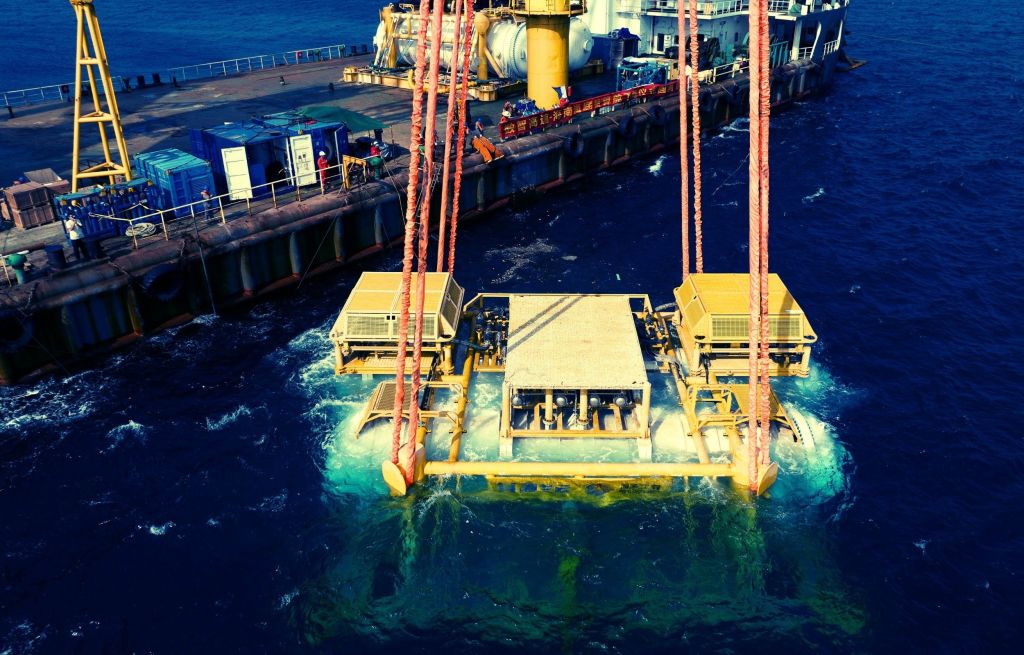
China Submerges AI Data Center in Ocean Floor Deployment
China submerges an AI data center on the ocean floor, a move that prioritizes speed and cooling efficiency over the land-based debates stalling U.S. projects. This deployment demands rigorous validation. How safe is a submerged digital infrastructure against pressure, corrosion, and real-time operational risks? The answer matters for the entire integrated data ecosystem. For deeper context on ocean system shifts, our coverage of a century of ocean intelligence revealing a measurable current slowdown provides essential reading.
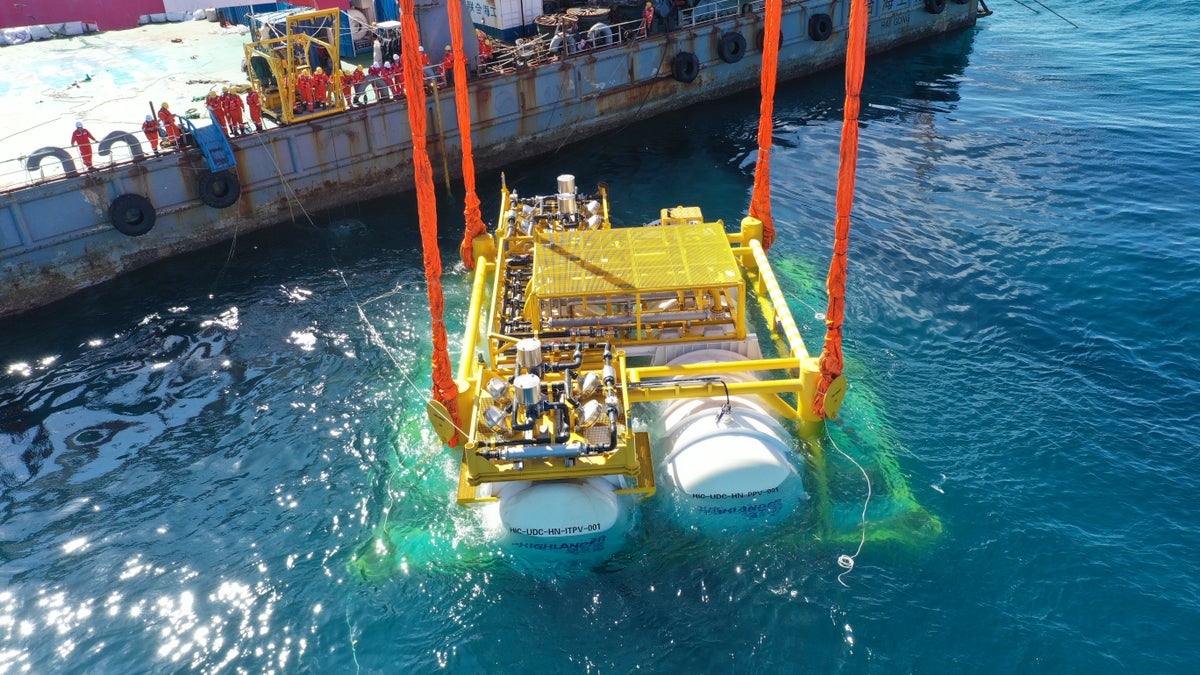
Submerged servers validate a new frontier for efficient ocean intelligence
Submerged data centers validate a new frontier for efficient ocean intelligence. China's deployment of ocean-cooled servers is not a speculative experiment, it is a measurable step toward integrating computing infrastructure with the marine environment. This approach addresses a real constraint: the energy cost of keeping processors cold. For a fuller picture of how life and energy move through these systems, see our related mapping of life's mass across oceans, land, and deep subsurface.

Ocean Data Innovation: China's Submerged Server Facility.
Two thousand servers now sit submerged off China's coast, packed into a data center designed to harness the ocean's natural cooling. It is a practical experiment in energy efficiency, and one worth watching. The ocean is our largest untapped asset for computing's growing footprint. This move pairs engineering with environmental calibration, and while it is early, the potential is measurable. For broader context on maritime infrastructure shifts, our coverage of integrated subsea cables in the Indian Ocean offers a useful parallel.
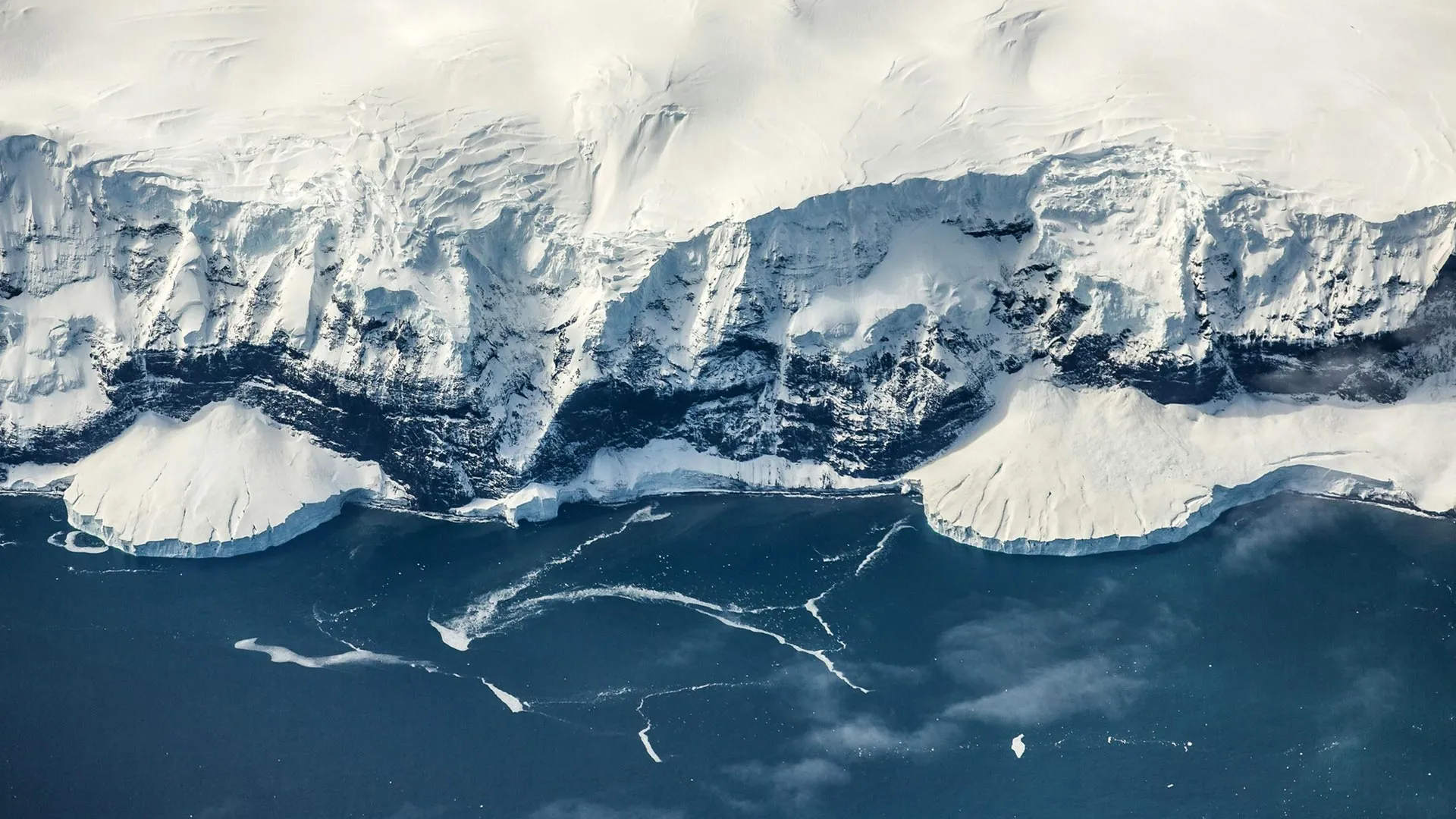
Earth's Interior Shaped Antarctica's Early Ice Age
East Antarctica's ice sheet did not appear because of a cooling planet alone. Slow-moving waves deep within Earth lifted the region, raising mountains and a high plateau where snow could persist even in a warmer world. Once glaciers formed, their reflective surfaces amplified the cooling. This is a reminder that geology and climate move together, not in isolation. For more on how deep Earth processes echo through time, see our coverage of magma and microbial activity rewriting a 2-billion-year-old carbon signal.