commissioning
commissioning at World Data Ocean is a file of 6 stories. The newest of them: “Indigenous Multipurpose Vessel Samarthak Joins Indian Navy at Karwar”, “76 Turbines Stand in Baltic Sea as Poland's Offshore Wind Takes Shape”, and “Electric Vessel Embarks on Commissioning Journey to Uruguay.”. On 16 October 2026, the Indian Navy commissions *Samarthak*, its first indigenously built Multi-Purpose Vessel, at Karwar. Seventy-six turbines now stand in the Baltic Sea, and Poland's offshore wind sector has crossed a threshold that took years to reach. A Global Hub for Ocean Intelligence 4 World Data Ocean is a centralized digital platform where researchers, scientists, and ocean enthusiasts converge to… The list below is every commissioning story on World Data Ocean, newest first.
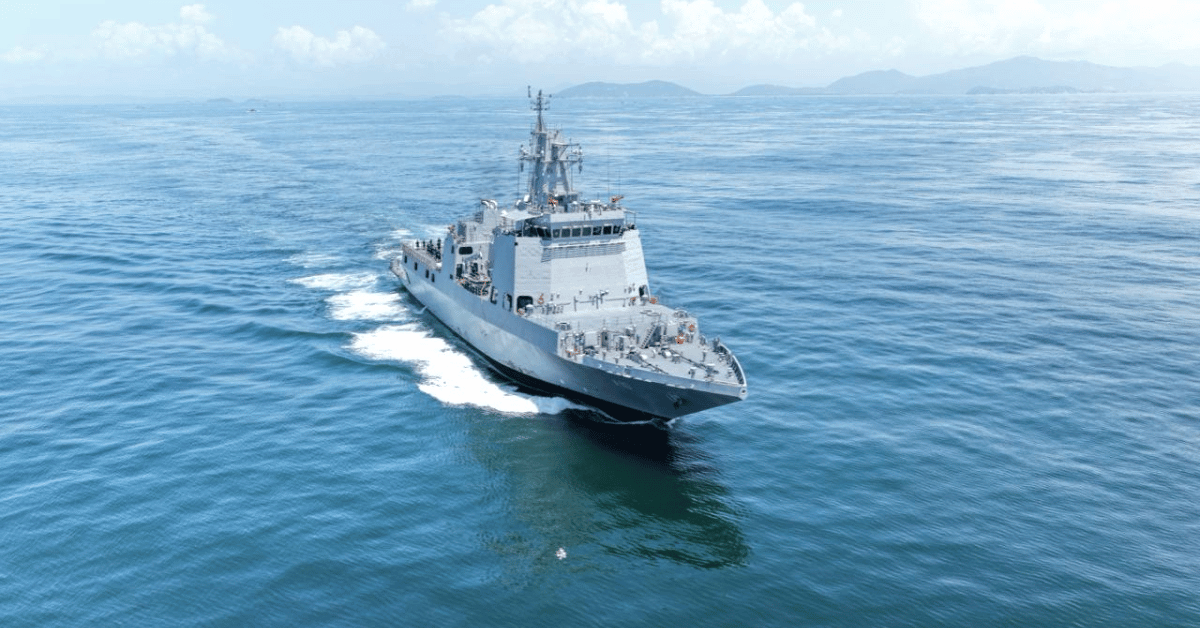
Indigenous Multipurpose Vessel Samarthak Joins Indian Navy at Karwar
On 16 October 2026, the Indian Navy commissions *Samarthak*, its first indigenously built Multi-Purpose Vessel, at Karwar. This is not merely a ceremony; it is a validated step toward self-reliant maritime capability. Indigenous shipbuilding strengthens our integrated data ecosystem for ocean intelligence, and this vessel will contribute measurable, real-time climate indicators. For deeper context on how recovered artifacts expand our understanding, see our coverage of the Britannic wreckage. Understanding drives protection.
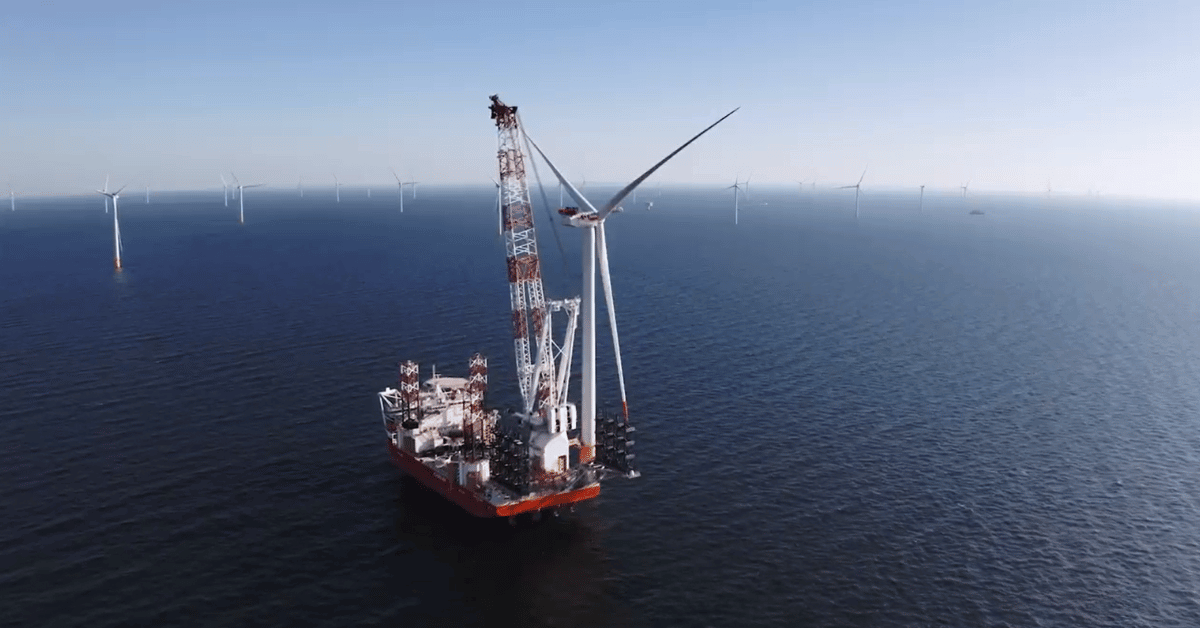
76 Turbines Stand in Baltic Sea as Poland's Offshore Wind Takes Shape
Seventy-six turbines now stand in the Baltic Sea, and Poland's offshore wind sector has crossed a threshold that took years to reach. Cadeler's completion of installation at the 1.2 GW Baltic Power farm signals measurable progress, not just in megawatts, but in the integrated data ecosystems that will monitor these waters for decades. This is empirical momentum, the kind that makes energy transition tangible. For deeper context on how subsea operations validate such builds, see our piece on the wind-powered data center calibrated at sea.
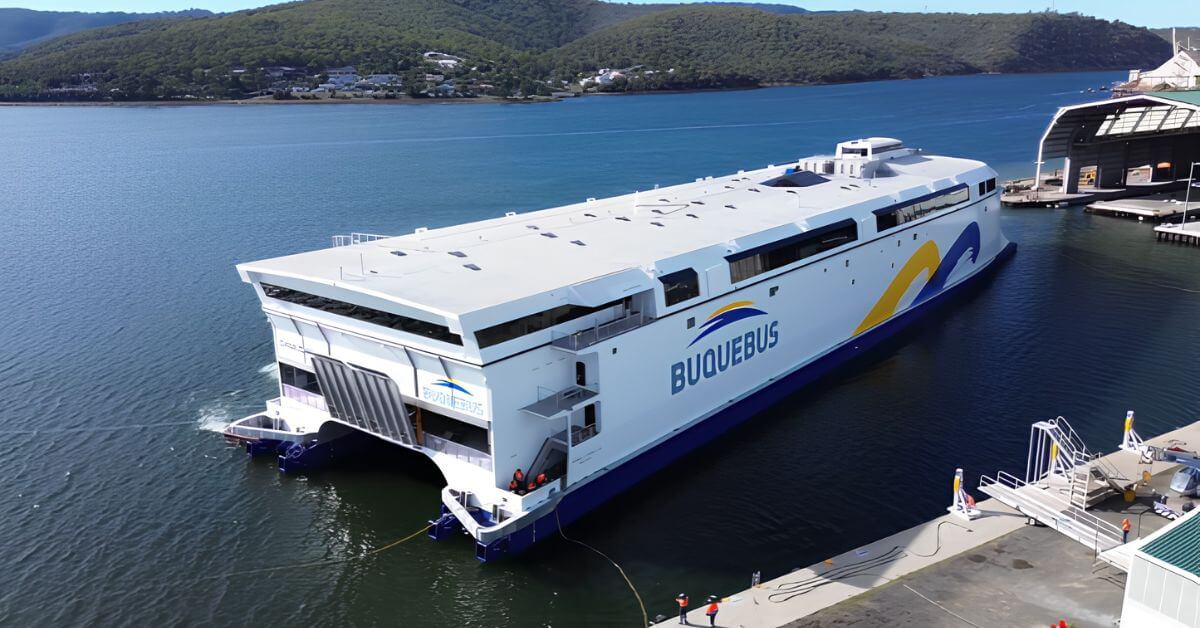
Electric Vessel Embarks on Commissioning Journey to Uruguay.
Hull 096 left Tasmania in early August, loaded aboard the MV Black Marlin after a multi-day operation on Hobart's River Derwent. The electric vessel now embarks on its commissioning journey to Uruguay, a transit that turns a routine departure into a measurable step for marine electrification. We track such movements closely because logistics reveal intent. For related work on marine ecosystems, see our piece on sea star collection in Port Phillip Bay. Every voyage carries weight, on water and off it.

Australia Advances AUKUS Submarine Program with New Shipyard Construction
The Henderson shipyard's new construction phase marks a deliberate step in Australia's 20-year commitment to host nuclear-powered attack submarines. This is infrastructure built for the long haul, not a headline. The project's value lies in its patience and precision, turning a West Australian port into a credible maintenance hub. For readers tracking maritime logistics, our coverage of the bulk carrier freed near Gladstone reminds us that Australian waters demand both advanced capability and practical resilience. This program answers that demand with measured intent.

Sichuan Warship Validates Electromagnetic Catapult System in Live-Fire Test
The Sichuan's live-fire launch of countermeasures marks a tangible step in validating its electromagnetic catapult system. This is not a ceremonial display; it is calibrated, empirical progress. State media footage confirms the warship is moving from integration to active testing, a phase that demands precision and patience. Such milestones matter because they translate complex engineering into measurable capability. For readers tracking regional naval developments, our coverage of India's expanded fleet plans offers useful context on how these capabilities are reshaping maritime strategy.

Expanding India’s Naval Capabilities: INS Malvan Joins the Fleet
The Indian Navy's newest vessel, INS Malvan, is compact, yet formidable. It marks a meaningful step forward for indigenous shallow-water combatants, reinforcing a fleet that must stay agile in crowded seas. This is not just about adding hulls; it is about sharpening response where it matters most. As India projects an expanded naval fleet by 2040, such vessels prove that size and precision can work together.