Cochin Shipyard
8 stories filed under Cochin Shipyard on World Data Ocean. The newest of them: “India's first hybrid laser arc welding system advances indigenous maritime manufacturing”, “INS Amini Delivers Fifth Indigenous Shallow-Water Warship to Indian Navy”, and “AYK batteries power four electric tugs for India's zero-emission harbor shift”. SFO Technologies and Cochin Shipyard have unveiled India's first indigenously designed Hybrid Laser Arc Welding system, advancing maritime manufacturing with validated, integrated technology. INS Amini, the fifth of eight shallow-water anti-submarine warships built for the Indian Navy, has been delivered by GRSE with over 80 percent indigenous content. A Global Hub for Ocean Intelligence 4 World Data Ocean is a centralized digital platform where researchers, scientists, and ocean enthusiasts converge to… The list below is every Cochin Shipyard story on World Data Ocean, newest first.
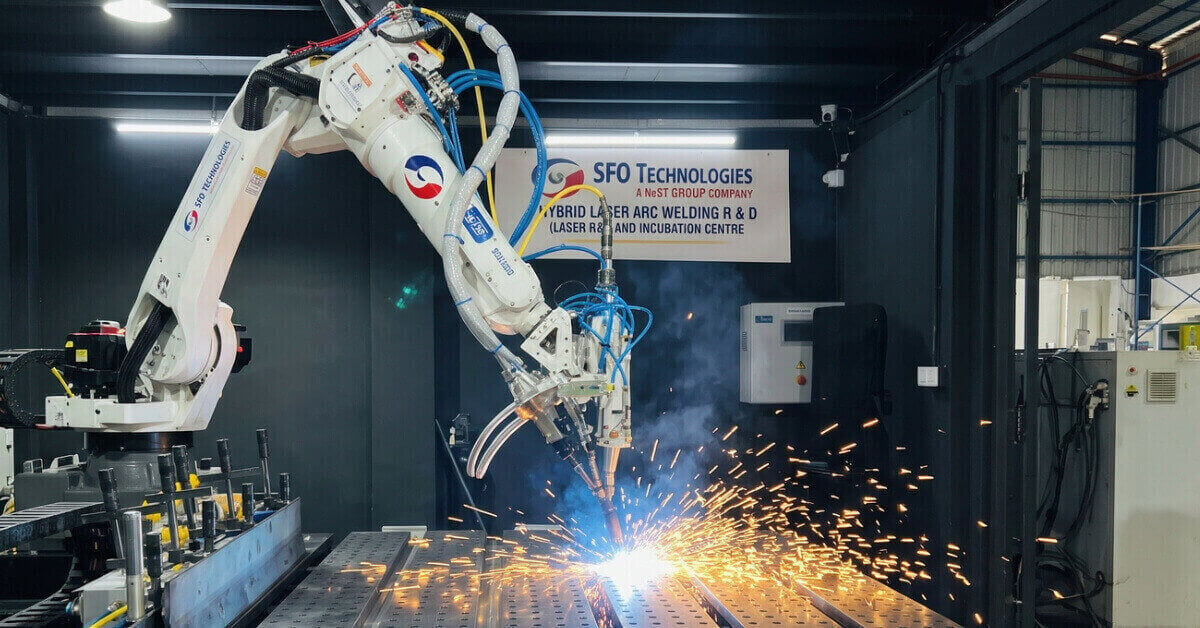
India's first hybrid laser arc welding system advances indigenous maritime manufacturing
SFO Technologies and Cochin Shipyard have unveiled India's first indigenously designed Hybrid Laser Arc Welding system, advancing maritime manufacturing with validated, integrated technology. This is not merely a production milestone, it is calibrated progress for sovereign industrial capability. Precision welding at this scale strengthens the country's shipbuilding resilience. For broader context on infrastructure growth, our coverage of four new ports strengthening Andhra Pradesh's eastern maritime gateway offers a complementary view of India's expanding ocean-facing capacity. Understanding drives protection.
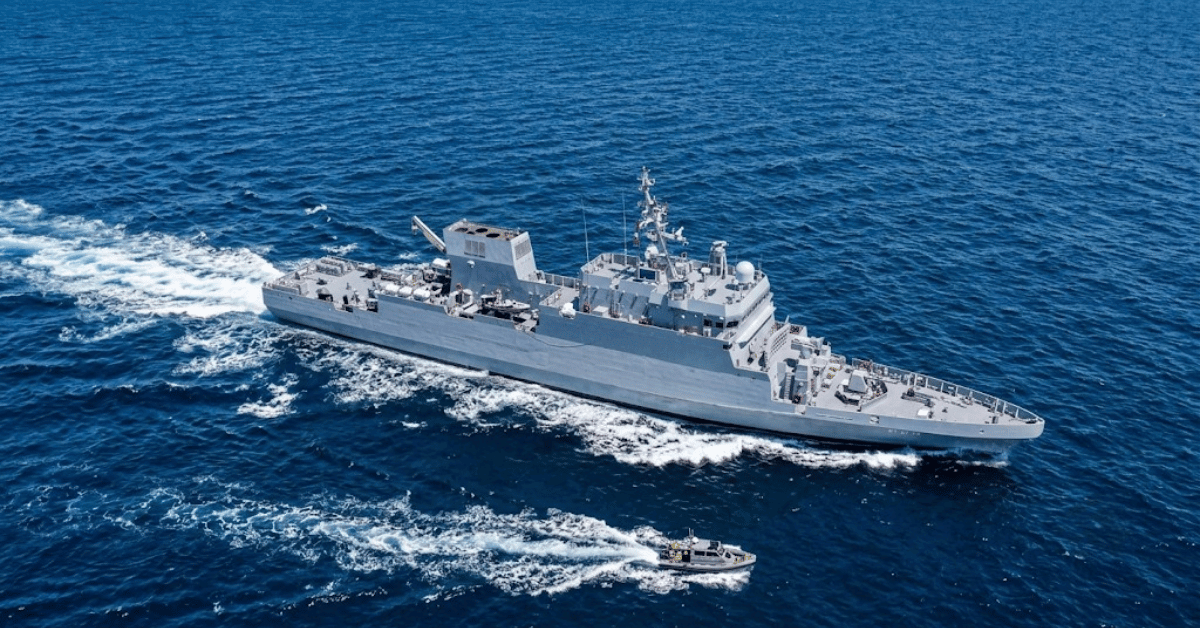
INS Amini Delivers Fifth Indigenous Shallow-Water Warship to Indian Navy
INS Amini, the fifth of eight shallow-water anti-submarine warships built for the Indian Navy, has been delivered by GRSE with over 80 percent indigenous content. This is a measurable stride in self-reliant naval capability. Validated domestic supply chains and integrated systems are not just cost-effective, they build strategic resilience. For broader context on how navies are rethinking maritime power, see our coverage of the Royal Navy's uncrewed strike integration from HMS Queen Elizabeth.
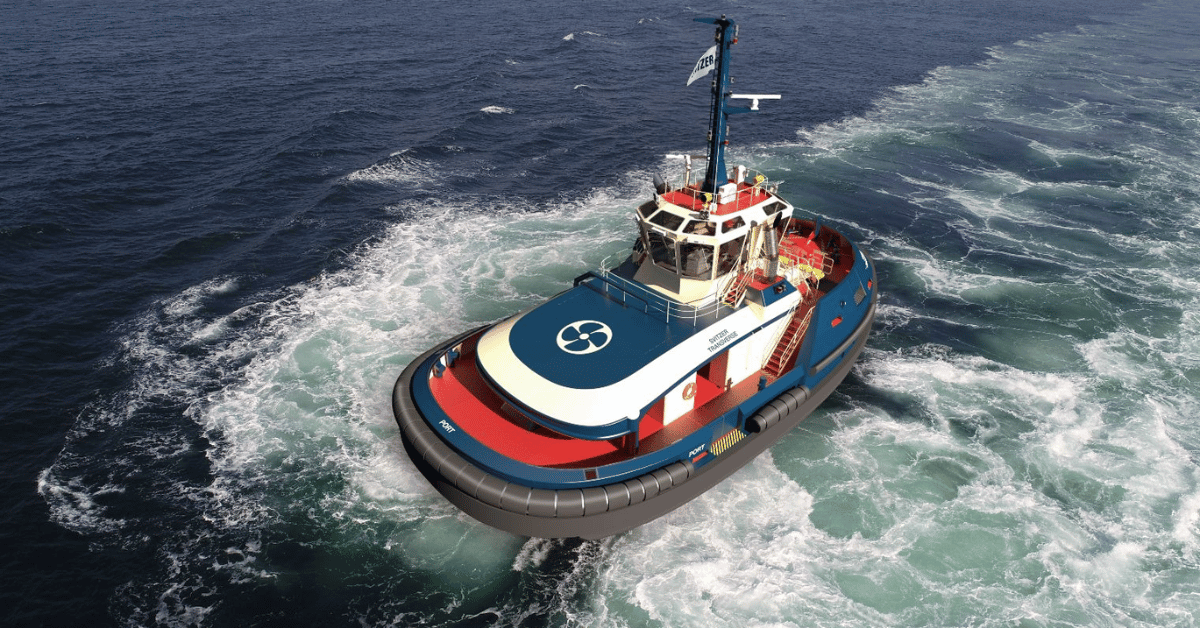
AYK batteries power four electric tugs for India's zero-emission harbor shift
AYK Energy will supply 4,838kWh battery systems for four fully electric Svitzer tugs built in India, with an option for four more vessels. That is a measurable step toward zero-emission harbor operations, and it aligns with the kind of integrated, data-driven thinking we track across the sector. Cochin Shipyard's recent design equity move shows similar momentum. The shift is real, and it is happening now.
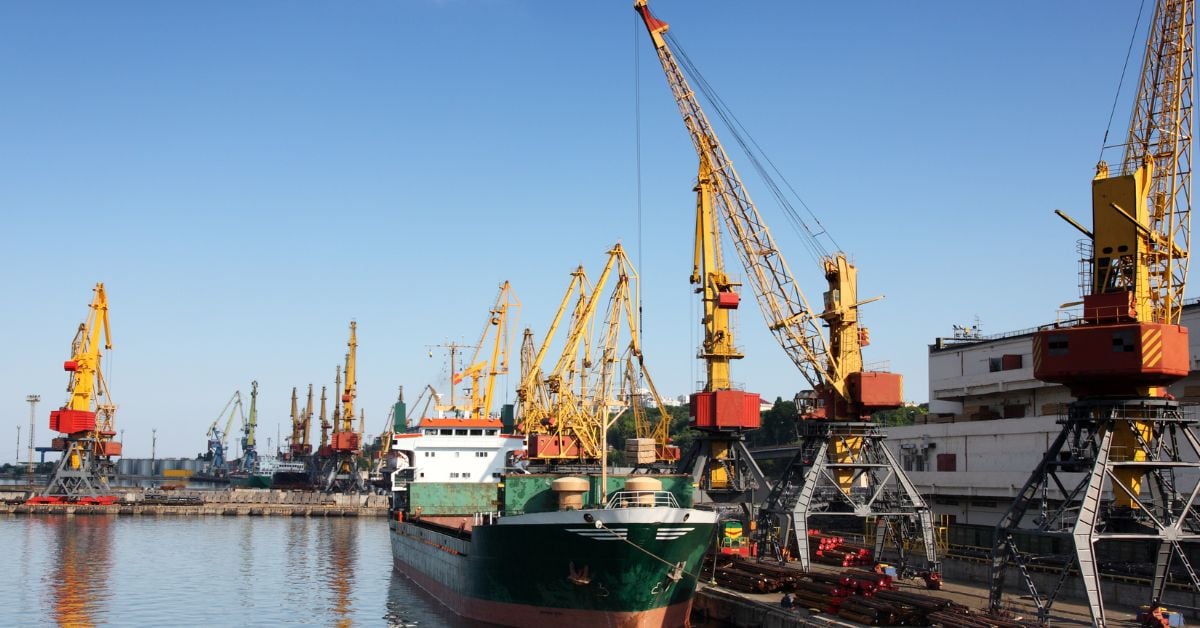
Cochin Shipyard Expands Design Capabilities with Conoship Equity Stake
Cochin Shipyard Limited is acquiring a 23% stake in Conoship International Holding BV, a Dutch ship design and engineering firm. The move signals a deliberate step toward strengthening in-house design capabilities rather than relying solely on external expertise. It is a measured, strategic investment, one that aligns with the yard's long-term ambitions in a competitive global market. Such integration of Dutch engineering knowledge could yield tangible gains in vessel innovation.
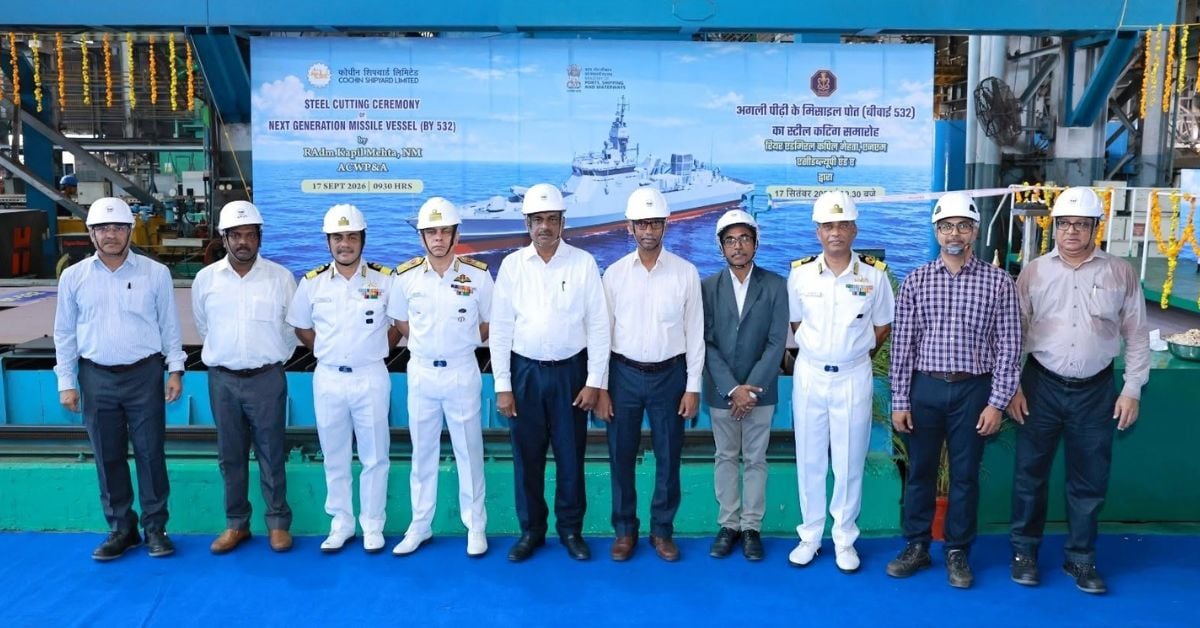
Next-Generation Missile Vessels Advance Indian Navy Capabilities.
The Indian Navy's next-generation missile vessels are built for speed, plain and simple. At 33 knots with a crew of 80, these ships prioritize rapid response without sacrificing operational heft. That is a practical step toward a leaner, more agile fleet. We see this as a deliberate move to keep pace with shifting maritime demands. For broader context on India's shipbuilding momentum, our piece on Cochin Shipyard's design expansion offers useful grounding. Speed alone does not secure waters, but it certainly narrows the gap.

Indigenous Design Bolsters Indian Navy’s Anti-Submarine Warfare Capabilities
INS Mangrol, with over 80 percent indigenous content, signals a practical stride in India's naval self-reliance. Designed and built by Cochin Shipyard, this anti-submarine warfare vessel proves that domestic capability can meet complex operational demands. We see this as measured progress, not hype. It aligns with the broader push for an expanded fleet, a topic we explore in "India Projects Expanded Naval Fleet to Navigate Evolving Maritime Landscape." Strengthening local design now builds a more resilient maritime future.

Cochin Shipyard Expansion Drives Ocean Data Innovation and Regional Growth
Cochin Shipyard's expansion is set to generate roughly 2,000 direct jobs, with related industries likely to multiply that impact. This is more than industrial growth; it is a concrete step toward strengthening ocean data innovation where it matters most, at the regional level. The project aligns with a broader push for integrated maritime capability, echoing efforts like the recent design equity stake in Conoship. Measured, deliberate investment like this builds the infrastructure for lasting ocean intelligence.

New Ice-Class Vessel Joins Global Shipping Fleet, Built to DNV Standards
A new 7,000 DWT ice-class vessel has entered the global fleet, engineered by Groot Ship Design and built to DNV classification standards. This is precisely the kind of measured, purpose-built advancement that keeps maritime trade both efficient and responsible. Ice-class capability is not a luxury; it is a calculated response to expanding polar routes and shifting climate realities. For deeper context on how ship design capabilities are evolving internationally, our coverage of Cochin Shipyard's recent design expansion with Conoship offers a useful parallel.