coastal safety
coastal safety at World Data Ocean is a file of 4 stories. The newest of them: “Global Drifter Network Delivers Real-Time Ocean Data to Sharpen Forecasts and Coastal Safety”, “Zhejiang Coast Sea Level: 70 Years of Change and Future Projections”, and “Black Sea Shipping Restricted Amid Rising Security Concerns.”. Every twelve hours, a network of thousands of drifting buoys reports ocean temperature, currents, and barometric pressure from the most remote waters on Earth. Forty centimeters above the national datum. A Global Hub for Ocean Intelligence 4 World Data Ocean is a centralized digital platform where researchers, scientists, and ocean enthusiasts converge to… The list below is every coastal safety story on World Data Ocean, newest first.
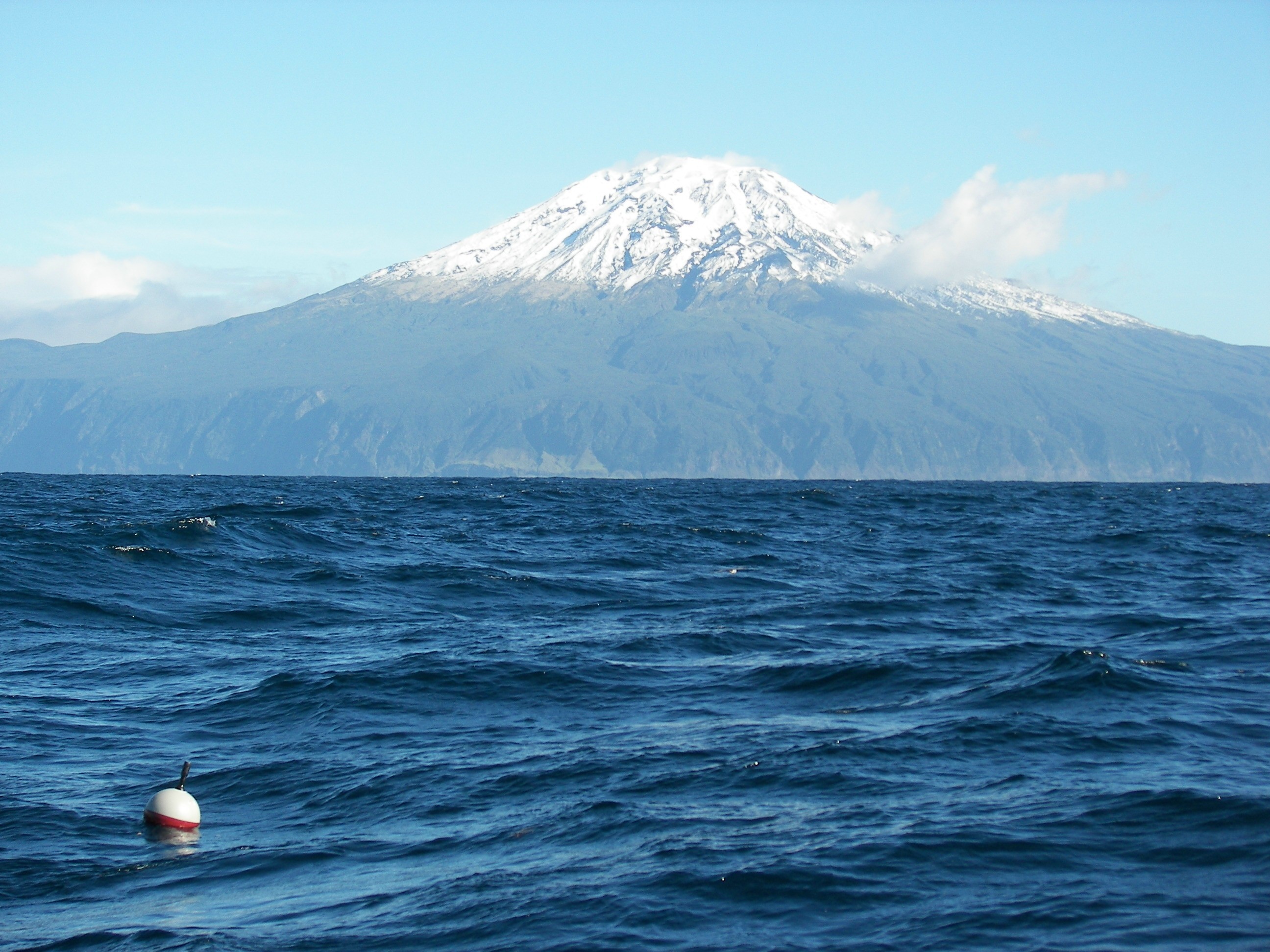
Global Drifter Network Delivers Real-Time Ocean Data to Sharpen Forecasts and Coastal Safety
Every twelve hours, a network of thousands of drifting buoys reports ocean temperature, currents, and barometric pressure from the most remote waters on Earth. NOAA's Global Drifter Program turns that distributed data into a single, calibrated view of the planet's climate system. These instruments verify weather models, sharpen satellite observations, and reveal inter-annual signals like ENSO. Understanding drives protection. For a deeper look at how shared ocean data standards support such systems, see our coverage of integrating fragmented bathymetric data.

Zhejiang Coast Sea Level: 70 Years of Change and Future Projections
Forty centimeters above the national datum. That is where Zhejiang's coast stood in 2020, a measurable reminder that the sea is no longer waiting. Our 70-year record from 10 stations confirms a moderate 0.25 cm/yr average rise, but the last two decades tell a sharper story. If acceleration persists, projections of up to 88 cm by 2100 align with high-emission models. This is empirical, actionable data. For broader maritime context, our piece on Kiwi Frigate Monitors Sanctions complements this regional picture.

Black Sea Shipping Restricted Amid Rising Security Concerns.
Türkiye is tightening its grip on Black Sea shipping as attacks escalate against Turkish commercial vessels bound for Russian ports. The restriction reflects a sobering reality: no route is neutral when security fractures. Measured, deliberate action is necessary, but the cost to regional trade is mounting. This is not alarmism; it is the arithmetic of risk.

SAIPEM 7000 Transit Highlights Maritime Traffic and Ocean Operations.
The SAIPEM 7000, the world's third-largest crane ship, recently transited the Dardanelles Strait, a maneuver that underscores the constant, calibrated movement underpinning global maritime operations. This heavy-lift and pipelay vessel represents the integrated infrastructure that keeps energy supply chains moving. For readers tracking these dynamics, our coverage of "Gulf of Oman STS Transfers Max Out Amid Rising Saudi Oil Exports" offers a complementary view of how vessels adapt to shifting demand. Understanding these operational rhythms is key to measuring real-world climate and trade indicators.