ClassNK
World Data Ocean keeps ClassNK in one place: 5 stories so far. The section currently leads with “Validated Data to Calibrate Roll Damping on Large Container Ships”, “A validated milestone for zero-emission shipping: hydrogen tanker completes sea trials”, and “Hydrogen Engine Marks Major Step Toward Decarbonizing Ocean Shipping”. Real-world data from a large container ship is now being used to validate how roll damping tanks reduce rolling at sea. A 4,800 DWT hydrogen tanker has completed sea trials, validating a zero-emission configuration with a four-stroke hydrogen engine. A Global Hub for Ocean Intelligence 4 World Data Ocean is a centralized digital platform where researchers, scientists, and ocean enthusiasts converge to… The list below is every ClassNK story on World Data Ocean, newest first.
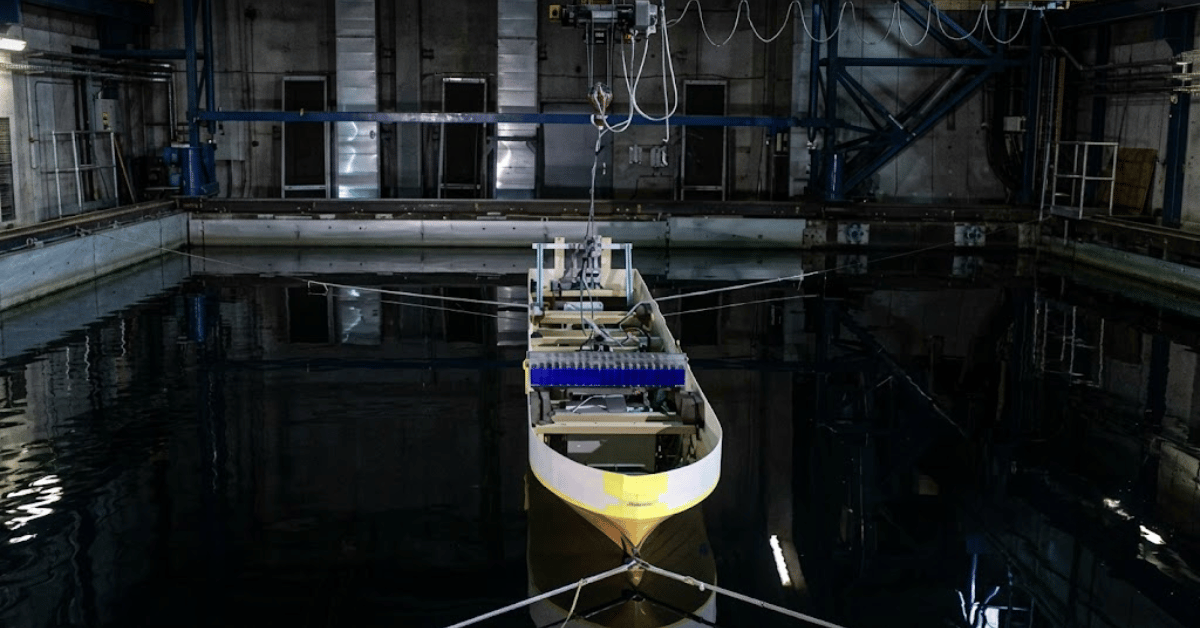
Validated Data to Calibrate Roll Damping on Large Container Ships
Real-world data from a large container ship is now being used to validate how roll damping tanks reduce rolling at sea. ONE and ClassNK have launched a joint study grounded in empirical, measurable performance. This is the kind of calibrated, peer-reviewed work that turns ocean intelligence into safer, more efficient shipping. For another example of validated marine data driving progress, see our coverage of the hydrogen tanker *Kikou Maru* and its successful sea trials.
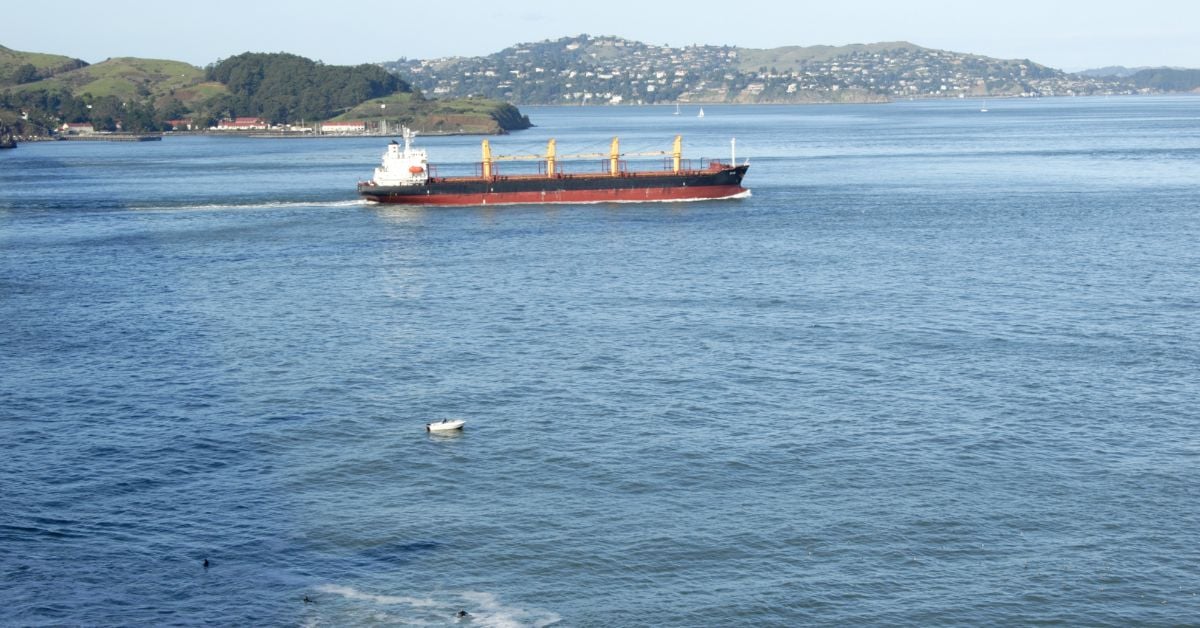
A validated milestone for zero-emission shipping: hydrogen tanker completes sea trials
A 4,800 DWT hydrogen tanker has completed sea trials, validating a zero-emission configuration with a four-stroke hydrogen engine. This is a measured, empirical step toward decarbonizing maritime transport. The Kikou Maru proves that integrated clean-fuel systems can perform under real-world conditions. For deeper context on how shifting maritime routes are reshaping global trade, see our related coverage, "Geopolitical shocks reshape shipping routes with measurable regional divergence."
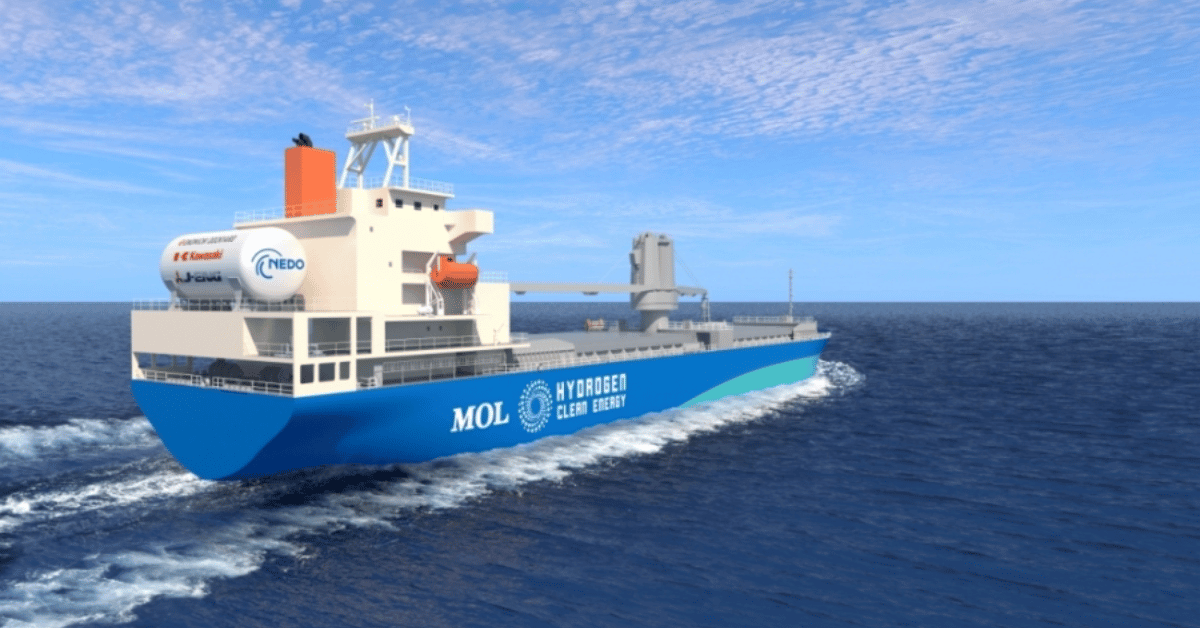
Hydrogen Engine Marks Major Step Toward Decarbonizing Ocean Shipping
Japan Engine has completed the world's first hydrogen-fuelled engine for large commercial vessels, achieving over 95% GHG reductions during factory testing. This is the kind of measurable progress that moves ocean shipping closer to real decarbonization. The technology is validated, and the implications are direct. For more on how marine environments are drawing attention, our piece on the unidentified structure in Port Phillip Bay offers a different kind of maritime intrigue.

AI-Powered Survey Compass Enhances Efficiency for Shipowners.
Classification surveys have long required shipowners to navigate dense regulatory detail with limited support. Survey Compass changes that equation. This AI assistant responds in natural language to survey-related questions, giving owners and ship managers a direct line to practical answers when they need them. The efficiency gain is measurable: less time spent searching, more time acting. It is a practical step toward smarter vessel operations. For related coverage, our report on Paradip Port's designation as a Mega Port offers another example of maritime infrastructure evolving.

Empowering Future Maritime Leaders Through Collaborative Innovation.
The maritime industry grows stronger when education and innovation converge. Marine Insight Summit 2026 and the Young Innovator Challenge 2026 gain a powerful ally as a leading maritime EdTech pioneer joins as Partner. This collaboration empowers future leaders with the tools to navigate a changing ocean landscape. From tackling Black Sea shipping risks to advancing seafarer welfare, the sector demands fresh thinking. Empowering the next generation is not optional; it is essential. We are pleased to see this commitment take shape.