charging infrastructure
World Data Ocean keeps charging infrastructure in one place: 3 stories so far. The section currently leads with “Electric barge in Vietnam cuts inland shipping emissions by 778 tonnes yearly”, “Containerised batteries and shore power propel a 1,700-TEU short-sea vessel to ABS approval”, and “Validated efficiency: battery-first vessel design cuts offshore wind OPEX”. A 778-tonne annual reduction in CO₂ from a single electric barge is a measurable step toward decarbonizing inland shipping. Containerised batteries and shore power have propelled a 1,700-TEU short-sea vessel to ABS approval, marking a measurable step forward for low-carbon maritime operations. A Global Hub for Ocean Intelligence 4 World Data Ocean is a centralized digital platform where researchers, scientists, and ocean enthusiasts converge to… The list below is every charging infrastructure story on World Data Ocean, newest first.
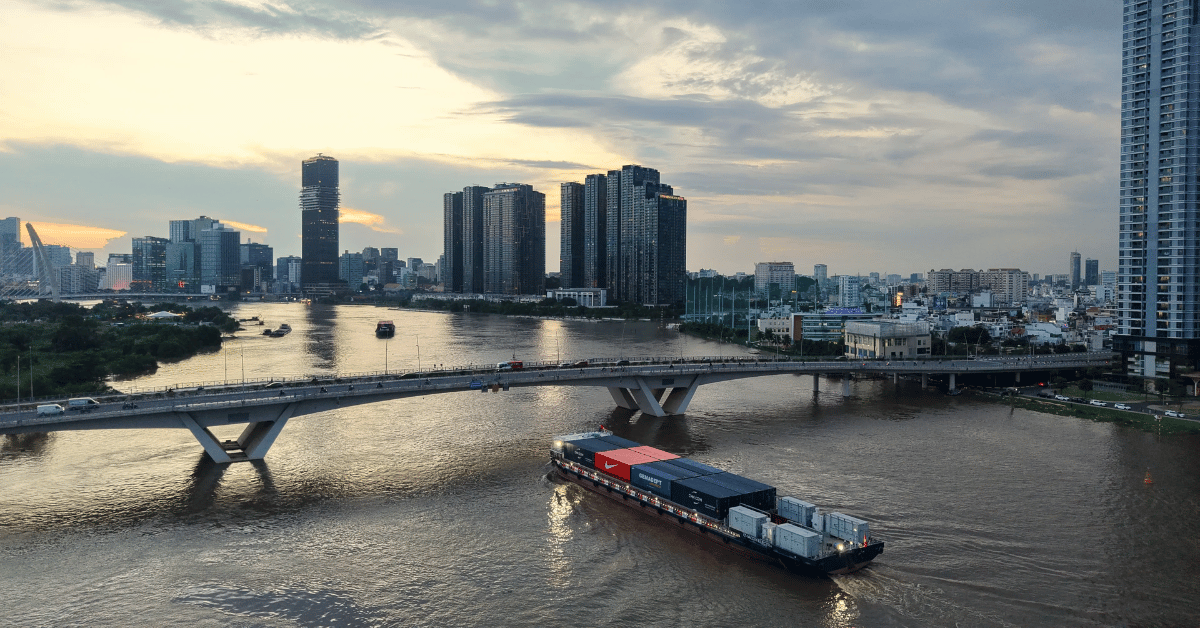
Electric barge in Vietnam cuts inland shipping emissions by 778 tonnes yearly
A 778-tonne annual reduction in CO₂ from a single electric barge is a measurable step toward decarbonizing inland shipping. CMA CGM, Nike, and Gemadept have launched this vessel in Vietnam, proving that integrated logistics can deliver validated climate results. For deeper context on how maritime infrastructure is evolving, see our coverage of "Validated maritime agreements steer India toward 2047 hub status."
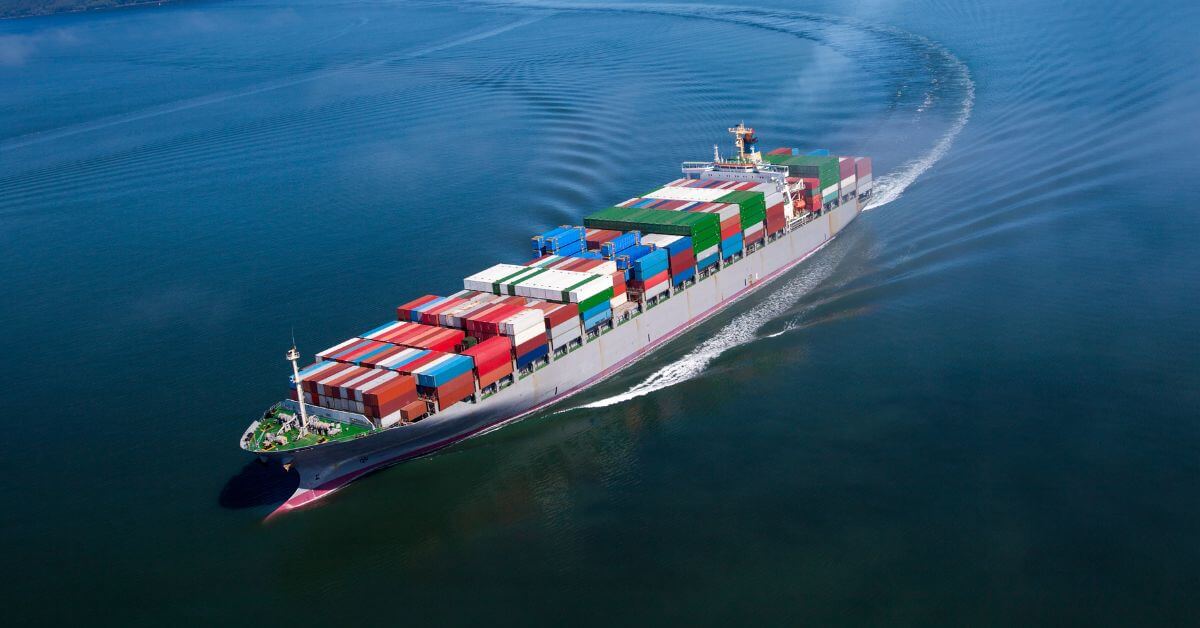
Containerised batteries and shore power propel a 1,700-TEU short-sea vessel to ABS approval
Containerised batteries and shore power have propelled a 1,700-TEU short-sea vessel to ABS approval, marking a measurable step forward for low-carbon maritime operations. The ship is designed specifically for regional container routes, relying on swappable battery containers and shore charging infrastructure rather than conventional fuel. This is practical ocean intelligence: validated energy systems deployed where they are most needed. For deeper context on scaling such integrated solutions, see our coverage of "Scaling validated energy systems to meet a measurable global deficit."
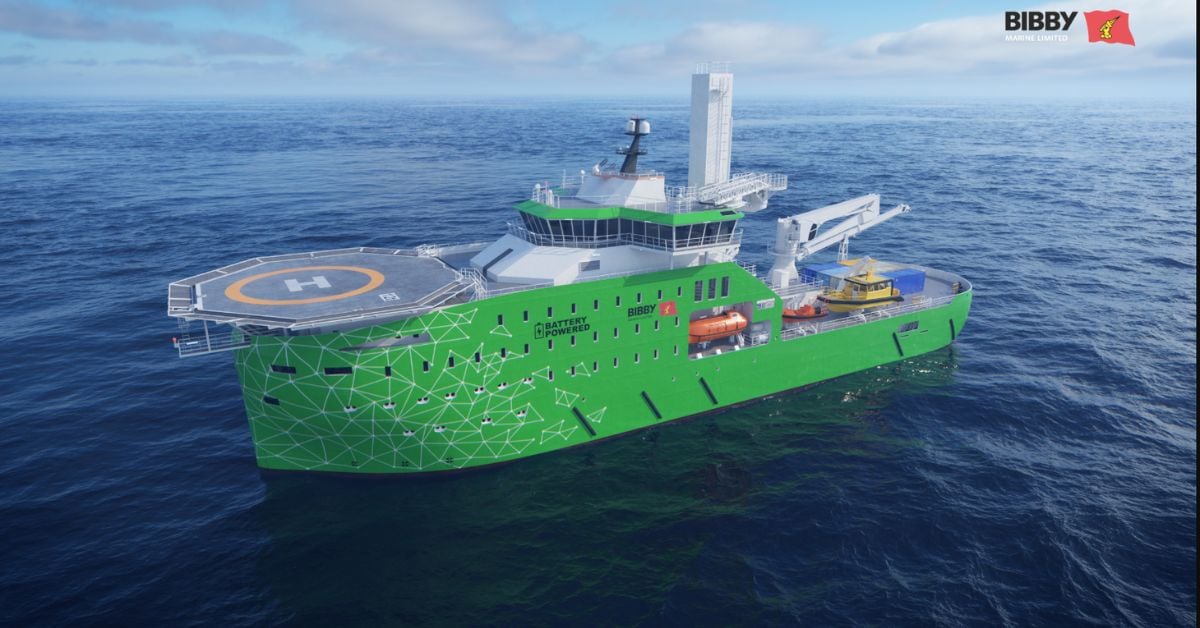
Validated efficiency: battery-first vessel design cuts offshore wind OPEX
A battery-first vessel design that keeps gen-sets running at a consistent, efficient load offers offshore wind a measurable path to lower OPEX. The approach validates what we know: integrated energy systems, not isolated upgrades, deliver real gains. It is a practical, empirical step forward. For deeper insight into hybrid propulsion's potential, see our coverage of the "Hydrogen-Hybrid Propulsion Validates 24% Fuel Reduction on Transoceanic Voyage."