Canada
5 stories filed under Canada on World Data Ocean. The newest of them: “Canadian Grain Resumes European Shipping Via Churchill Port After Six-Year Hiatus”, “Geopolitical Shifts: Lake Ontario’s Name Sparks Transnational Data Debate.”, and “Canada Bolsters Arctic Capabilities with New Icebreaker Fleet.”. Thirty thousand tonnes of durum wheat now sit aboard a vessel bound for Europe, the first such departure from Churchill, Manitoba, in six years. A four-century-old name now anchors a transnational data dispute. A Global Hub for Ocean Intelligence 4 World Data Ocean is a centralized digital platform where researchers, scientists, and ocean enthusiasts converge to… The list below is every Canada story on World Data Ocean, newest first.
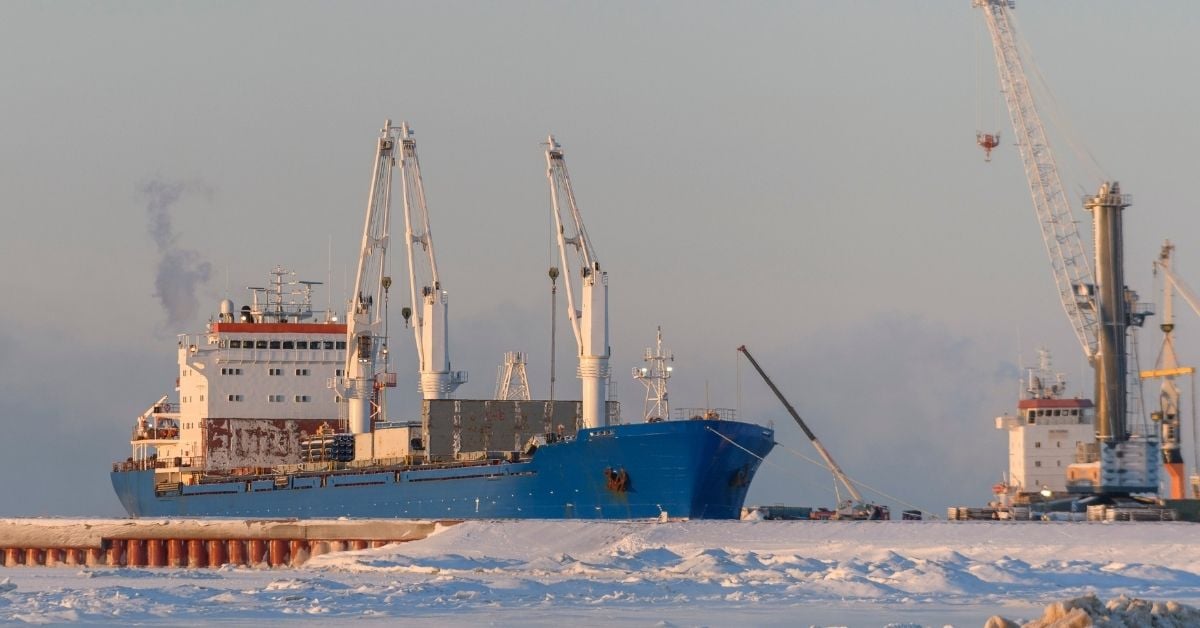
Canadian Grain Resumes European Shipping Via Churchill Port After Six-Year Hiatus
Thirty thousand tonnes of durum wheat now sit aboard a vessel bound for Europe, the first such departure from Churchill, Manitoba, in six years. This resumption of Canadian grain shipping through the Port of Churchill signals a practical return to a vital Arctic corridor. It is a measured step, but a telling one for northern logistics. For broader context on shifting Arctic trade routes, our coverage of the Vostok Project's Arctic oil exports offers a parallel view.
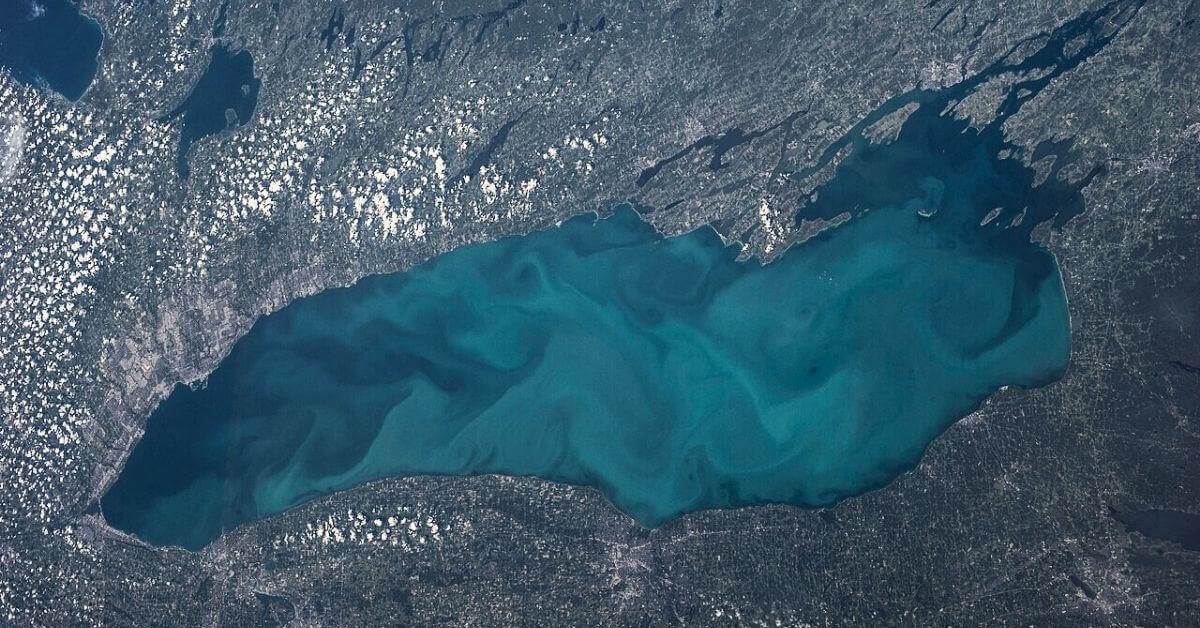
Geopolitical Shifts: Lake Ontario’s Name Sparks Transnational Data Debate.
A four-century-old name now anchors a transnational data dispute. The Canadian Prime Minister's stance, reaffirmed on X, is clear: Lake Ontario remains Lake Ontario, despite pressure to rename it. This is not merely cartographic nostalgia. It is a question of who controls the narrative of shared waters. Names carry empirical weight in ocean intelligence. We see similar tensions in the Strait of Hormuz, where geopolitical posturing shapes maritime data flows.

Canada Bolsters Arctic Capabilities with New Icebreaker Fleet.
Canada is putting steel behind its Arctic strategy with a new icebreaker fleet that will give NATO its largest polar capability. The move sharpens a quiet but consequential gap: the United States operates just three aging polar icebreakers. This is what integrated ocean intelligence looks like in practice: measured, deliberate, and forward-deployed. For readers tracking the wider picture, our coverage of Russia's Northern Sea Route fleet plans offers a useful counterpoint. The Arctic is no longer a frontier; it is a jurisdiction.

Arctic Submarine Collaboration Expands: Germany, Norway, and Canada Unite.
Four days of talks in Kiel brought Germany, Norway, and Canada alongside TKMS, Kongsberg, and Multiconsult, signaling a deliberate step toward shared submarine capability. This is not merely procurement; it is the architecture of deterrence taking shape in Arctic waters. The collaboration reflects a practical recognition that no single nation patrols these expanses alone. For readers tracking Russia's icebreaker ambitions, including its calibrated export revenue scheme, this trilateral move adds a measured counterweight. We will follow how these industrial partnerships translate into operational reality.
Expanding Oceanographic Research Horizons: Career Opportunities in Canada
Canada's oceanographic community extends well beyond Bedford. For a physical oceanographer and a hydrology-focused civil engineer, the University of British Columbia's Institute for the Oceans and Fisheries and the University of Victoria's Ocean Networks Canada offer strong research pathways, while Quebec's Institut des sciences de la mer provides coastal expertise. These hubs value the integrated data ecosystem you both represent. For broader context on collaborative observation, our piece on "Bridging Data Gaps: Integrating Citizen Science for Ocean Intelligence" complements this career landscape.