California
9 stories filed under California on World Data Ocean. The newest of them: “Where to Study Marine Biology: Aligning Location with Your Ocean Science Goals”, “Longest carrier deployment in decades signals shifting maritime demands”, and “Shallow-water sentinels reveal a hidden signal in the shifting sands”. Moving across the country for a marine biology degree is a strategic decision, not a frivolous one. A 320-day deployment is not routine; it is a signal. A Global Hub for Ocean Intelligence 4 World Data Ocean is a centralized digital platform where researchers, scientists, and ocean enthusiasts converge to… The list below is every California story on World Data Ocean, newest first.
Where to Study Marine Biology: Aligning Location with Your Ocean Science Goals
Moving across the country for a marine biology degree is a strategic decision, not a frivolous one. Your instinct that reputation matters is validated by the field's peer-reviewed, relationship-driven hiring process. Studying in Florida offers warm-water ecosystems and a change of pace, but returning to California, where you intend to build your career, is perfectly logical. Building connections locally during school often outweighs geographic detours.

Longest carrier deployment in decades signals shifting maritime demands
A 320-day deployment is not routine; it is a signal. The USS *Nimitz*'s return to California after the longest carrier deployment in decades reflects shifting maritime demands in the Iranian theatre. Extended presence at sea validates the operational endurance of the Nimitz-class, but it also raises empirical questions about crew sustainability and fleet readiness. For deeper context on fleet modernization, see our coverage of the John F. Kennedy's 99% completion ahead of its 2027 handover.

Shallow-water sentinels reveal a hidden signal in the shifting sands
A shallow-water observer in Ventura County has surfaced a quiet puzzle from the intertidal zone. Swimming over these small, buried forms, the observer noted they close and vanish into the sand when a wave passes, most abundant at one to two meters deep, and fading past two and a half meters. The impression is of a larger body hidden below, with only a fraction exposed. It's a reminder that empirical observation, even casual, drives ocean intelligence.

Unidentified Marine Specimen Found on California Beach, Sparks Curiosity
A beachcomber's photograph from 2017 has resurfaced, and the unidentified marine specimen it captures still invites more questions than answers. Curiosity like this is the first step toward ocean intelligence. When we encounter the unfamiliar, we are reminded that the ocean's full record is still being read. For those drawn to such puzzles, our related coverage on unexpected discoveries, such as the chiton find in Puerto Rico, offers a useful frame. Every observation is a data point worth validating.

Unidentified Nudibranch Observed in California Harbor Requires Further Research
A black-and-white nudibranch spotted in a California harbor has yet to match any known species, and that is precisely why it deserves attention. The observer's attempt to identify it came up empty, a reminder that our ocean intelligence remains incomplete. Unverified sightings like this are not conclusions; they are starting points. Further research, ideally peer-reviewed and empirically documented, could clarify whether this is an undocumented variation or a range shift tied to changing climate indicators.
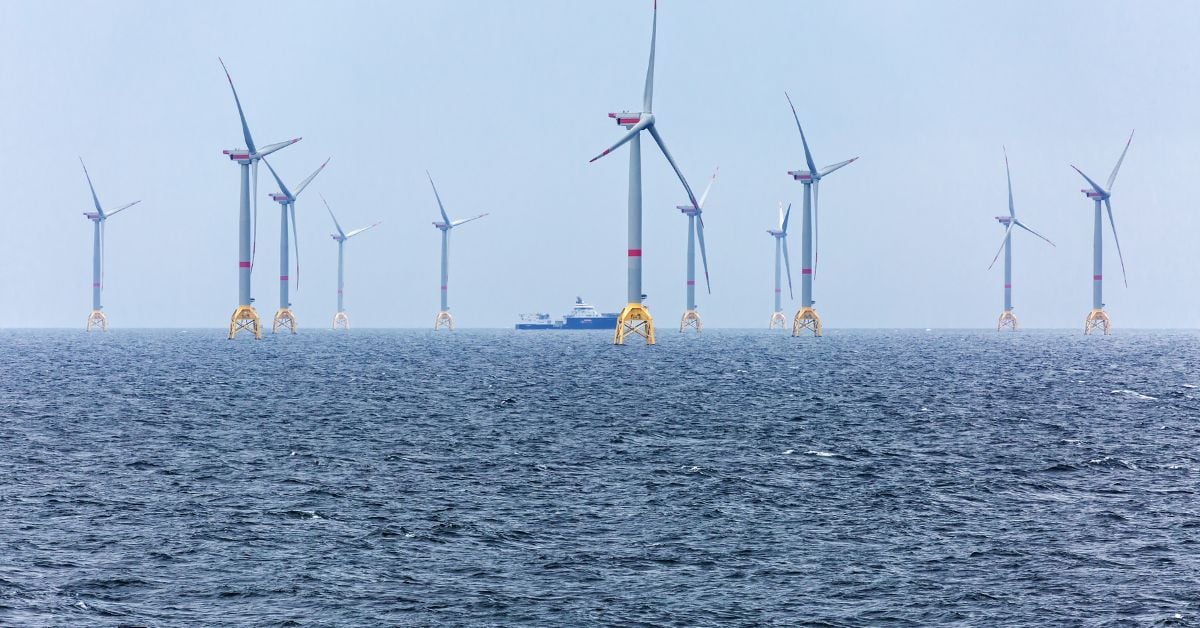
Offshore Wind Lease Reversal: Administration Offers $4 Billion Reimbursement
The Administration's offer of $4 billion in reimbursements for cancelled offshore wind leases is a striking reversal, one that prioritizes fossil fuel development over the measured progress of ocean energy. We see this as a legal and economic flashpoint, with California and New York now braced for litigation. The sum acknowledges the sunk costs, yet it does not address the broader climate indicators at stake.

California Sighting: Identifying Potential Porpoises Off Dana Point Coast
A 50-mile offshore sighting near Dana Point leaves room for genuine uncertainty. The captain's call was porpoises, but the observer's hesitation is warranted; without sharper imagery, confirmation stays elusive. That caution matters. In ocean observation, validated identification begins with calibrated records, and this query models the right instinct: ask, verify, and share. For readers tracking similar marine puzzles, our related piece on the unexpected chiton discovery off Puerto Rico underscores how often species distribution models meet their exceptions.
Following My Passion: An Oceanography Journey, Despite Doubts
A degree in oceanography is not a detour from stability; it is a direct route to a field where demand for ocean intelligence is rising. This student's choice to pursue the discipline despite family doubts reflects a clear-eyed commitment to a measurable, peer-reviewed career path. The concern about salary is valid, but it is worth noting that oceanographers with calibrated, integrated skills in data systems and climate indicators often find stable roles in research, government, and industry.
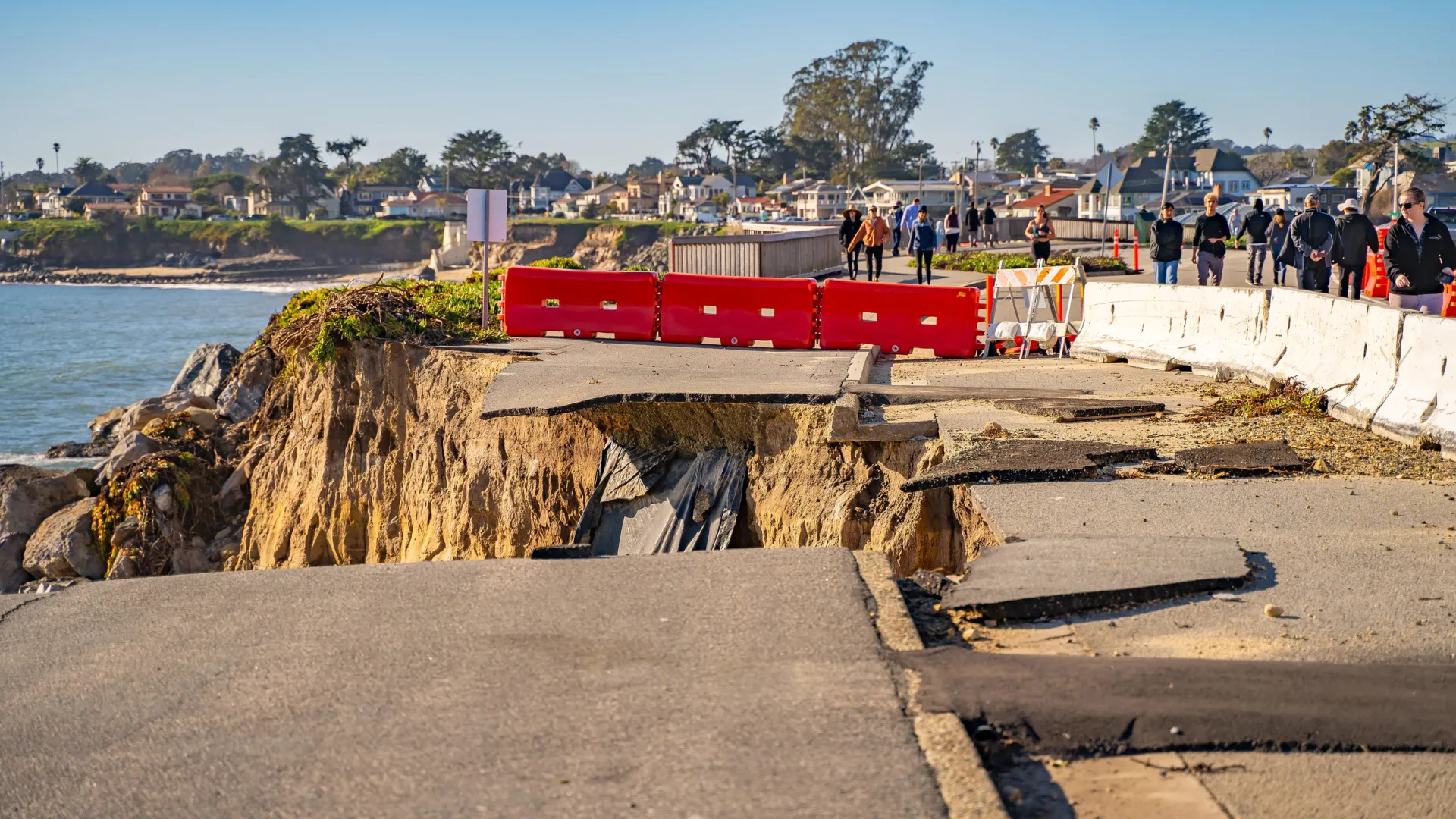
Cascadia and San Andreas: Linked Earthquake Risk Emerges from Ocean Data
Sediment layers preserved in the ocean floor now suggest that a major Cascadia rupture may have repeatedly triggered a second quake on the San Andreas Fault. The pattern, drawn from thousands of years of underwater landslide records, points to a troubling possibility: these two fault systems may not always act alone. The finding reframes how we understand seismic risk along the West Coast.