bunker fuel
World Data Ocean keeps bunker fuel in one place: 3 stories so far. The section currently leads with “Validated Fuel Savings When Ports Share Berth Schedules”, “Real-Time Visibility: Optimizing Terminal Operations with Modern TOS Systems”, and “Brazilian Ethanol Powers First Container Ship, Marking Sustainable Shipping Advance”. A validated 4% to 6% fuel savings is not theoretical, it is the measurable result when ports and ships share berth schedules. A terminal's true competitive edge lies in its ability to see clearly. A Global Hub for Ocean Intelligence 4 World Data Ocean is a centralized digital platform where researchers, scientists, and ocean enthusiasts converge to… The list below is every bunker fuel story on World Data Ocean, newest first.
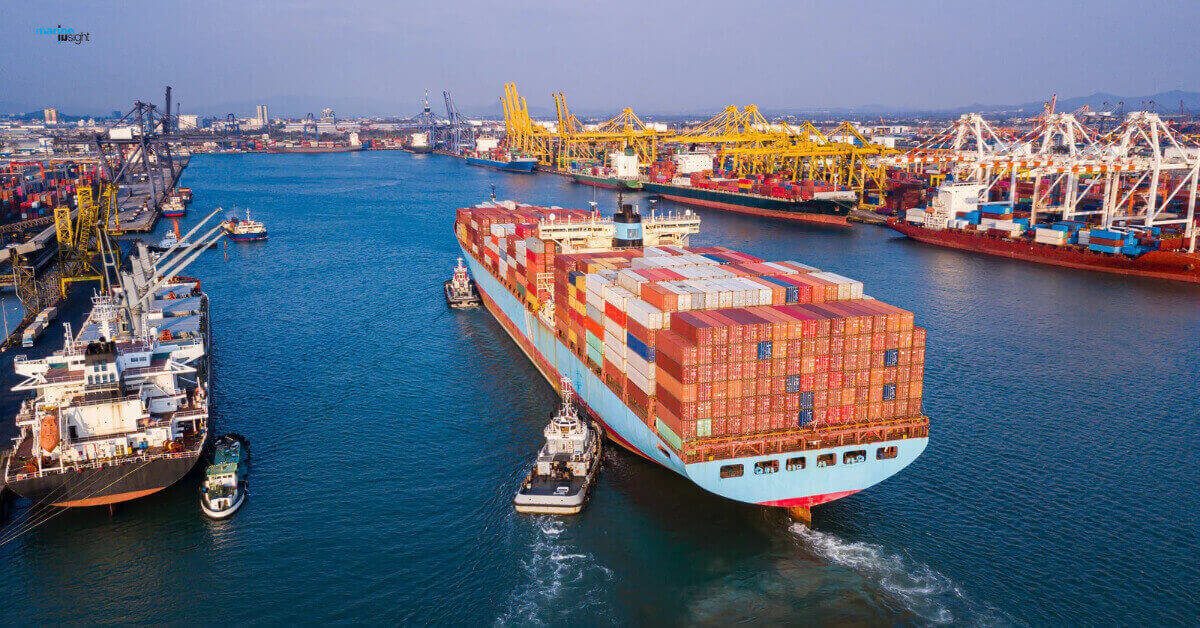
Validated Fuel Savings When Ports Share Berth Schedules
A validated 4% to 6% fuel savings is not theoretical, it is the measurable result when ports and ships share berth schedules. Just-in-time arrival lets a vessel adjust speed during passage so the berth, fairway, pilots and tugs are ready upon arrival. Less fuel burned, less time waiting at anchor. This integrated data ecosystem turns coordination into climate action. For more on how operational changes cut emissions, see our coverage of wind power reducing cargo fuel use by 70%.
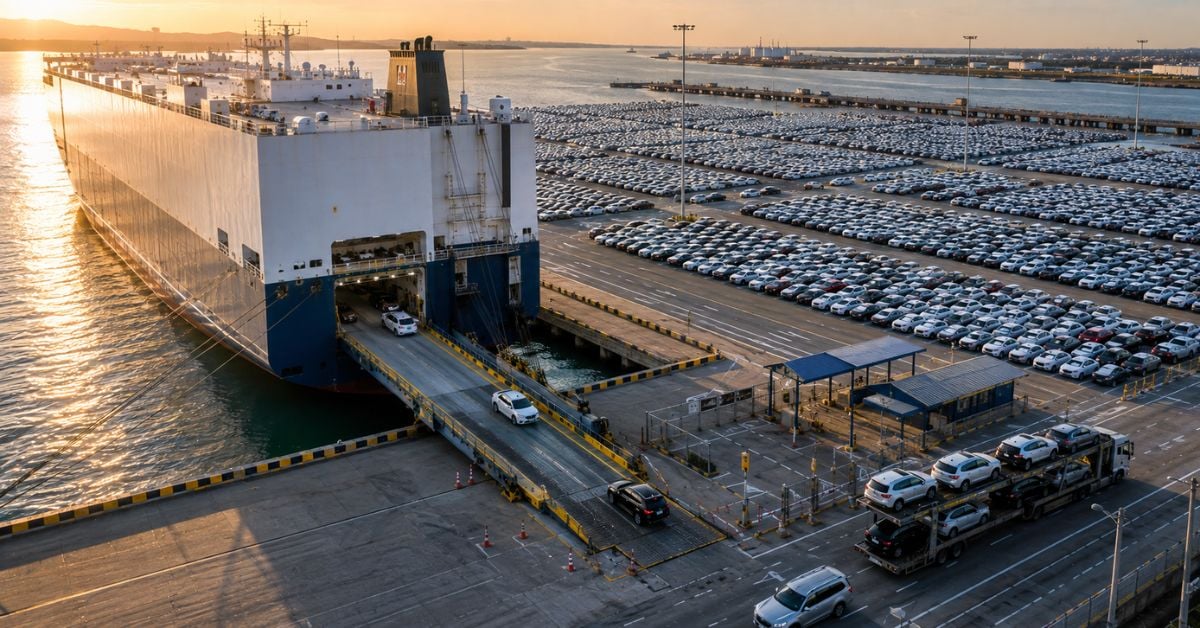
Real-Time Visibility: Optimizing Terminal Operations with Modern TOS Systems
A terminal's true competitive edge lies in its ability to see clearly. Modern Terminal Operating Systems integrate machinery, workflows, and departments into a single, calibrated view, delivering real-time visibility into both current activity and what must happen next. This isn't about flashy dashboards; it's about measurable, operational intelligence. For those exploring how data ecosystems drive efficiency, our coverage of integrated subsea cables shows a similar principle at scale. Understanding the flow of information is the first step to mastering it.
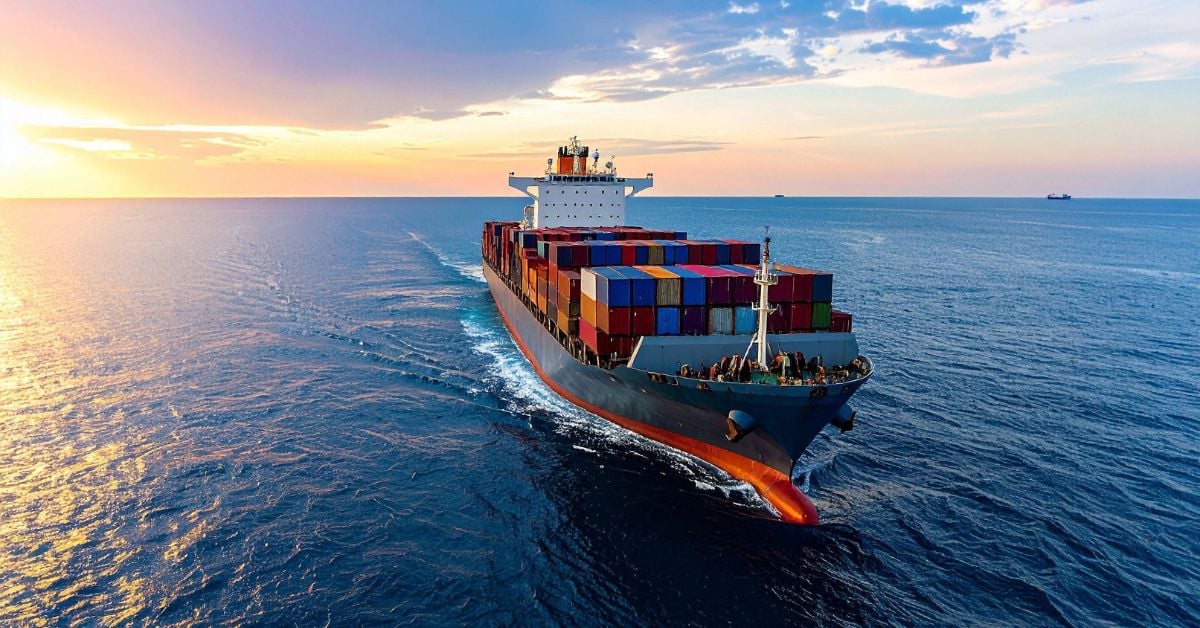
Brazilian Ethanol Powers First Container Ship, Marking Sustainable Shipping Advance
The first container ship powered by Brazilian-made ethanol departed Santos early Tuesday, a practical step toward decarbonizing maritime trade. This is not a distant concept; it is a working vessel, fueled by a biofuel already produced at scale. The move signals that cleaner shipping is not limited to batteries or ammonia, but can also build on established agricultural strengths. For related context on how marine routes are being redrawn, see our coverage of integrated subsea infrastructure shifts enhancing Indian Ocean connectivity.