animal behavior
8 stories filed under animal behavior on World Data Ocean. The newest of them: “Rising Porpoise Sounds Signal Baltic Sea Population Shift”, “Cognitive Resilience: Smarter Chickadees Thrive Through Winter and Age.”, and “Oarfish Cuisine: Unraveling the Diet of a Deep-Sea Giant”. Acoustic monitoring has detected a measurable rise in porpoise vocalizations across the Baltic, signaling a population shift we cannot ignore. A chickadee's cognitive edge persists into old age, and that resilience translates directly to survival and reproductive success. A Global Hub for Ocean Intelligence 4 World Data Ocean is a centralized digital platform where researchers, scientists, and ocean enthusiasts converge to… The list below is every animal behavior story on World Data Ocean, newest first.

Rising Porpoise Sounds Signal Baltic Sea Population Shift
Acoustic monitoring has detected a measurable rise in porpoise vocalizations across the Baltic, signaling a population shift we cannot ignore. These calibrated, real-time data points offer empirical evidence of changing marine behavior, a clear climate indicator demanding our attention. Understanding drives protection. For deeper context on how such ocean intelligence informs career pathways in marine science, see our related piece, "Navigating a Marine Studies BA: Pathways to a Marine Biology Career."
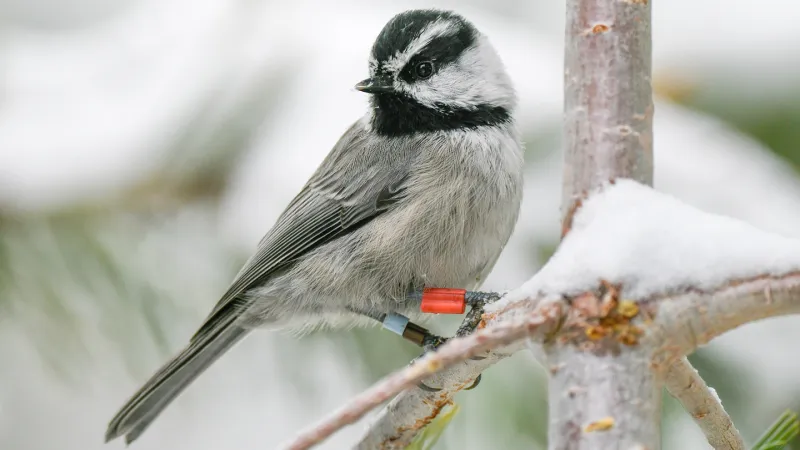
Cognitive Resilience: Smarter Chickadees Thrive Through Winter and Age.
A chickadee's cognitive edge persists into old age, and that resilience translates directly to survival and reproductive success. Wild birds with sharper problem-solving skills maintained their mental acuity through senescence, produced more offspring, and hosted healthier gut microbiomes. This is empirical evidence that intelligence is not merely a youthful advantage but a measurable, lifelong asset. Understanding drives protection. For deeper coverage on environmental intelligence, see our related report on "Cascadia and San Andreas: Evidence Suggests Sequential Earthquake Risk."
Oarfish Cuisine: Unraveling the Diet of a Deep-Sea Giant
A deep-sea giant with a diet that remains stubbornly out of focus, the oarfish presents a unique challenge for your ceramic work. While squid are indeed part of their menu, pinning down a single species is rare, as their feeding is opportunistic rather than specialized. You can confidently sculpt a squid without locking onto a precise genus.

Unexpected Trust: A Curious Encounter with a Lake Dweller in Poland
A small fish at Kręcko Lake decided it had found its people. During a festival in Garbicz, Poland, this little lake dweller swam up, lingered, and refused to leave, even when hands were pulled away. Its habit of popping to the surface, as if catching a breath, only added to the charm. While we can't identify the species, its trusting behavior raises a genuine question about wild fish curiosity. It is a reminder that unexpected encounters often hold the most honest data.
San Francisco Bay Gray Whale Deaths Linked to Foraging Challenges
New necropsy findings from San Francisco Bay link gray whale deaths to foraging challenges, a shift that points to deeper stress in the species' habitat. When feeding grounds fail to deliver, the whales pay the price. This is not just a local concern; it is a measurable signal of changing ocean conditions. We should read it as a call to integrate these observations into broader marine monitoring. For more on how governance can respond, see our coverage of MPA networks bridging conservation gaps.
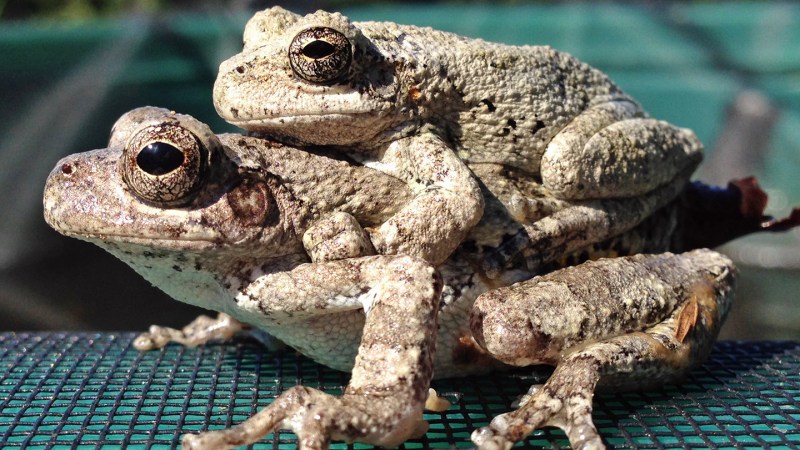
Mating Call Overload: Choice Paralysis Impacts Female Frog Selection
Choice overload is not a human quirk alone. In a controlled lab setting, female frogs became less likely to lock onto their preferred mate's call as the auditory competition intensified. That indecision, born from an overloaded soundscape, quietly hands an edge to less favored males. It is a measurable, peer-reviewed glimpse into how environmental noise reshapes decision-making. We see this as a compelling thread in a broader tapestry of sensory limits, much like our coverage of whether fish truly feel cold.
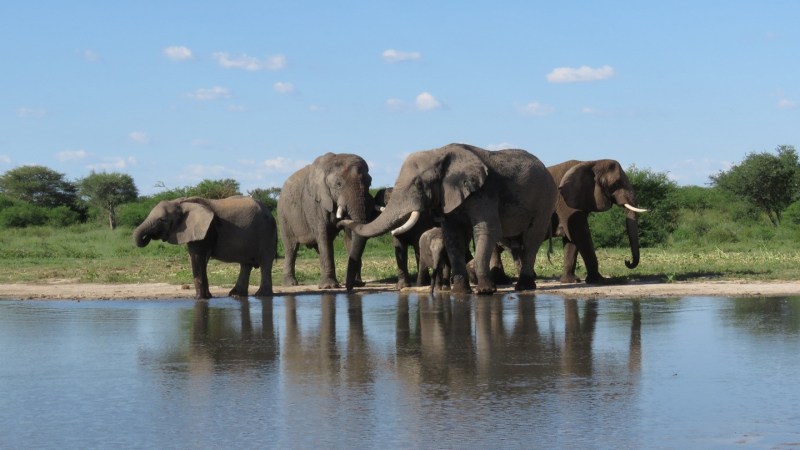
Rehabilitated Elephants Show Remarkable Behavioral Convergence with Wild Populations
Eleven rehabilitated elephants now move, forage, and socialize in patterns strikingly similar to their wild counterparts, according to new research. The findings suggest that structured care and gradual reintegration can preserve natural behaviors, a hopeful signal for conservation programs worldwide. This empirical alignment strengthens the case for science-led rewilding. For context on how environmental systems respond to pressure, readers may explore our related piece on Cascadia and San Andreas, which examines sequential earthquake risk. Understanding drives protection, and these elephants offer measurable proof of resilience.
Atlantic Great White Population Significantly Higher Than Previously Estimated
New survey data indicate the Atlantic's great white population is significantly larger than prior estimates, a finding that recalibrates what we thought we knew about this apex predator. The numbers matter, but so does the method: validated, peer-reviewed counting that sharpens our ocean intelligence. This is encouraging for the species, yet it also raises pressing questions about ecosystem balance. For those tracking the broader picture, our coverage of Atlantic Circulation Weakens: Global Climate Reshaping Predicted offers useful context on the shifting forces at play.