Anduril
Anduril at World Data Ocean is a file of 4 stories. The newest of them: “$6.6 Billion Maryland Shipyard Marks Largest U.S. Maritime Investment Since WWII”, “Autonomous Drone Encounter Highlights Growing Maritime Technology in the Hormuz Strait”, and “Iranian Forces Recover Advanced U.S. Unmanned Submarine in Hormuz.”. A $6.6 billion shipyard in Maryland, the largest U.S. The underwater drone detected near the Hormuz Strait is likely Anduril's Dive-D, a calibrated, autonomous system built for defense. A Global Hub for Ocean Intelligence 4 World Data Ocean is a centralized digital platform where researchers, scientists, and ocean enthusiasts converge to… The list below is every Anduril story on World Data Ocean, newest first.

$6.6 Billion Maryland Shipyard Marks Largest U.S. Maritime Investment Since WWII
A $6.6 billion shipyard in Maryland, the largest U.S. maritime investment since World War II, signals a calibrated, long-term commitment to rebuilding national shipbuilding capacity. This is not about short-term gains; it is a measurable investment in ocean intelligence and maritime readiness. For context on shifting naval demands, read our coverage of the Navy's longest carrier deployment in decades. Understanding drives protection. From shipyard to sea, the work is integrated.
Autonomous Drone Encounter Highlights Growing Maritime Technology in the Hormuz Strait
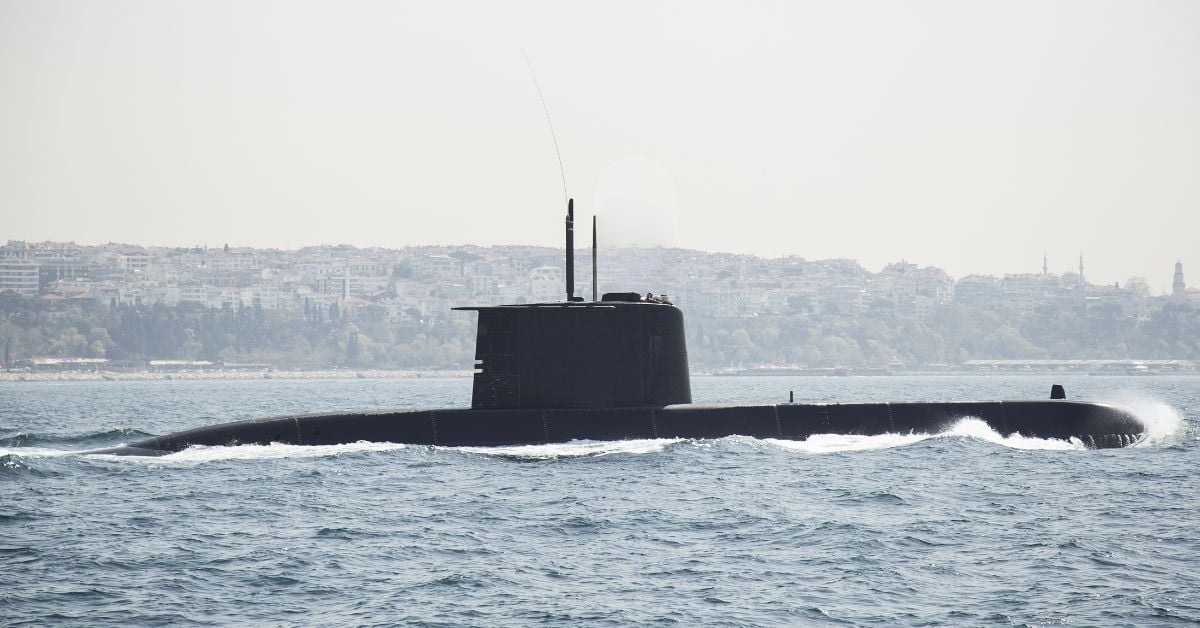
The underwater drone detected near the Hormuz Strait is likely Anduril's Dive-D, a calibrated, autonomous system built for defense. This sighting underscores a measurable shift: maritime technology is no longer confined to surface vessels. Empirical observation of such platforms matters, because understanding drives protection. For deeper context on regional shipping pressures, see our coverage of "Gulf of Oman STS Transfers Max Out Amid Rising Saudi Oil Exports." The strait's future demands integrated, peer-reviewed intelligence, not alarm.
Iranian Forces Recover Advanced U.S. Unmanned Submarine in Hormuz.
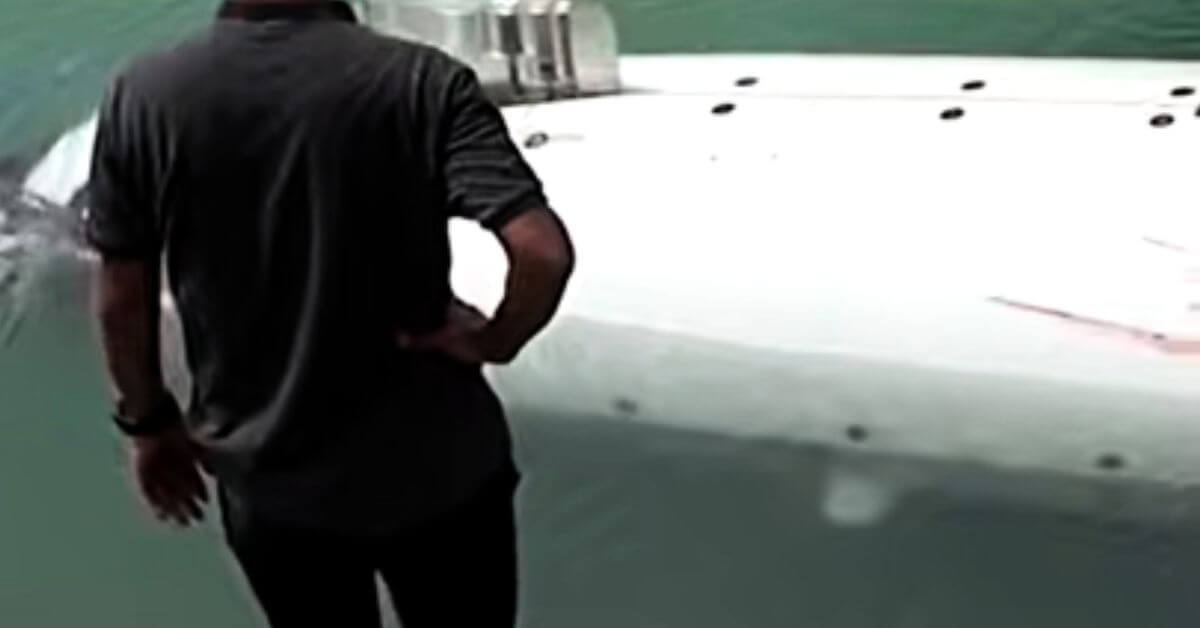
Iranian forces have recovered an advanced U.S. unmanned submarine in the Strait of Hormuz, claiming the drone was added to the American fleet in 2025. The IRGC released video footage it says shows the craft. This incident unfolds against a backdrop of heightened maritime tension. For broader context on regional shipping pressures, our coverage of "Phased Negotiations Aim to Ease Restrictions on Strait of Hormuz" examines diplomatic efforts to restore navigation through this critical chokepoint.

Navy Evaluates Autonomous Drone Strike Capabilities in Real-Time Exercise
The U.S. Navy's latest exercise places autonomous drone strike capabilities at the forefront, with unmanned surface vessels operating around the heavily damaged USS Peleliu in newly released footage. It is a direct demonstration of how rapidly maritime warfare is adapting, and the service deserves credit for testing these systems under real-time conditions. The implications are significant, especially as navies worldwide expand their fleets. For broader context on this shift, our article "India Projects Expanded Naval Fleet to Navigate Evolving Maritime Landscape" offers a useful counterpoint.