alternative fuels
18 stories filed under alternative fuels on World Data Ocean. The newest of them: “AI and digitalisation anchor new maritime safety and emissions pact”, “Singapore Hub Advances Digital Twins and AI for Ocean Decarbonisation”, and “A validated step forward: first US ship-to-ship ethanol bunkering for a deep-sea vessel”. A new memorandum of understanding between China Merchants Energy Shipping and RINA anchors maritime safety and emissions management in digitalisation and AI. RINA's Singapore Open Innovation Hub is expanding with EDB support, sharpening its focus on digital twins, decarbonisation, and AI-driven maritime solutions. A Global Hub for Ocean Intelligence 4 World Data Ocean is a centralized digital platform where researchers, scientists, and ocean enthusiasts converge to… The list below is every alternative fuels story on World Data Ocean, newest first.

AI and digitalisation anchor new maritime safety and emissions pact
A new memorandum of understanding between China Merchants Energy Shipping and RINA anchors maritime safety and emissions management in digitalisation and AI. This is not speculative; it is an integrated data ecosystem designed for measurable, real-world impact. As the industry seeks validated pathways to decarbonisation, this collaboration aligns with efforts like the Wallenius Marine WinPrOVeDD project, which aims to harness wind energy more efficiently through empirical design validation.
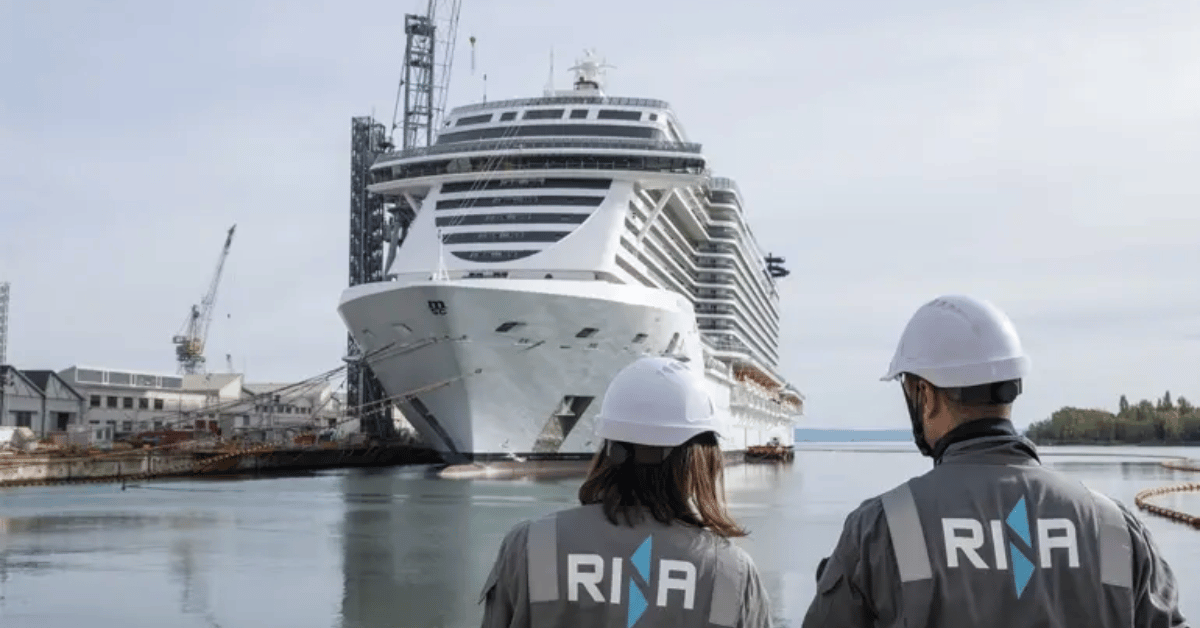
Singapore Hub Advances Digital Twins and AI for Ocean Decarbonisation
RINA's Singapore Open Innovation Hub is expanding with EDB support, sharpening its focus on digital twins, decarbonisation, and AI-driven maritime solutions. It is a measured step toward practical ocean intelligence, where simulation and real-time data converge to cut emissions. The work complements broader regional momentum, such as India's first e-methanol plant fueling cleaner Asia-Europe routes. Together, these efforts signal a pragmatic shift: decarbonisation is not a distant ideal but an operational target, and Singapore is positioning itself at the centre of that transition.
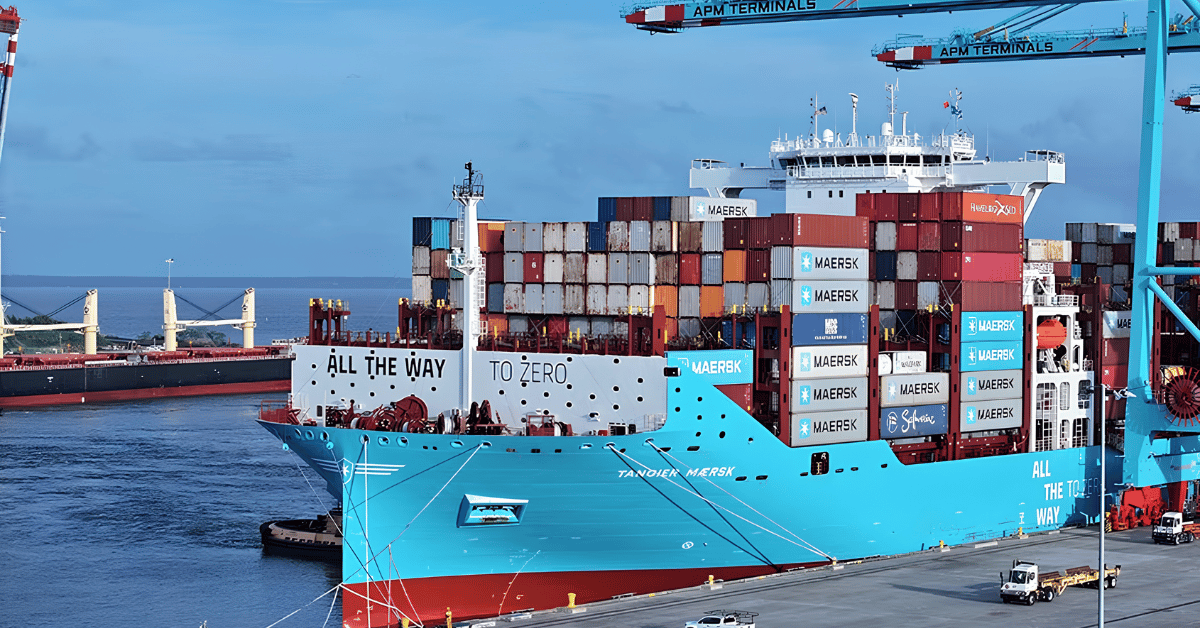
A validated step forward: first US ship-to-ship ethanol bunkering for a deep-sea vessel
A single ship-to-ship ethanol bunkering in the U.S. might seem incremental, but it validates a critical pathway for deep-sea decarbonisation. Maersk's completion of this commercial operation, using 100% corn ethanol, proves that alternative marine fuels can move from concept to calibrated, real-world application. This is measurable progress, not a promise. For more on how digital tools accelerate such transitions, see our coverage of "Singapore Hub Advances Digital Twins and AI for Ocean Decarbonisation."
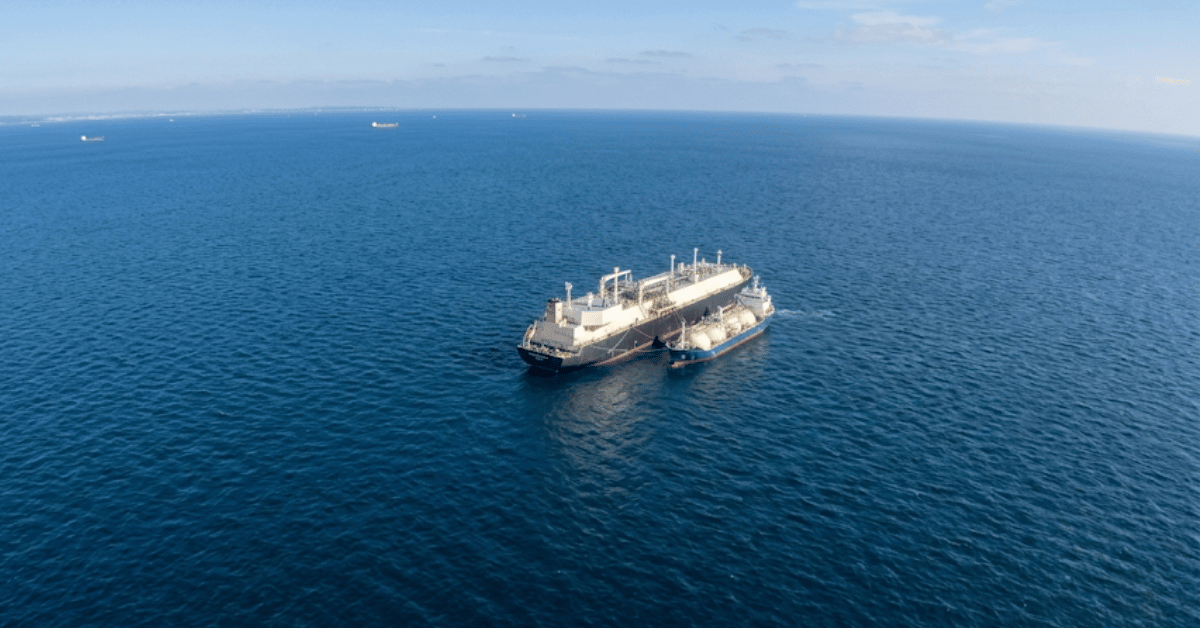
Validated Design: LNG Bunkering Vessel Earns Approval for Dual Fuel Capability
Hanwha Power's 22,000-cubic-meter LNG bunkering vessel has secured ABS approval, and the dual-fuel capability is what makes this design worth watching. The integration of LNG-ammonia cargo with hybrid propulsion signals a practical step toward lower-emission maritime operations, not a distant promise. It is a measured, engineering-led response to tightening fuel regulations. For broader context on how carriers are rethinking efficiency, our earlier analysis on optimal LNG carrier design is worth revisiting. This approval adds momentum to that conversation.
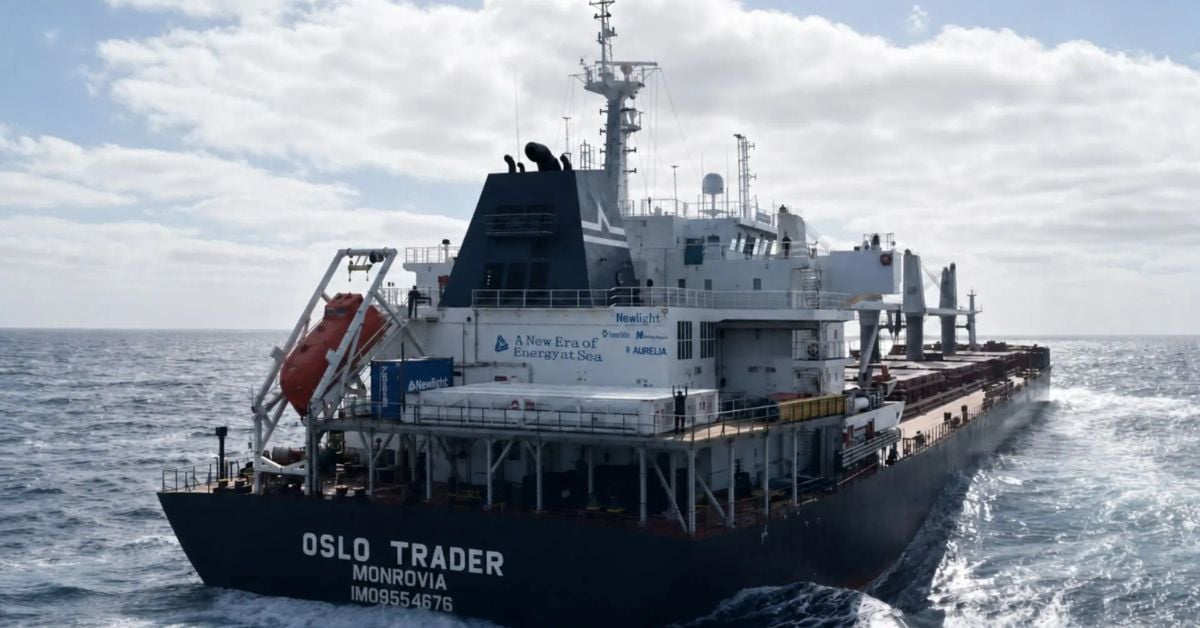
Hydrogen-Hybrid Propulsion Validates 24% Fuel Reduction on Transoceanic Voyage
A hydrogen-hybrid retrofit has delivered a 24% fuel reduction on a transoceanic voyage, a result that moves marine decarbonization from theory into measurable practice. Newlight's system, fitted to a bulk carrier's diesel engine, completed the 8,500-nautical-mile run from Singapore to Ghana with validated efficiency gains. This is the kind of empirical progress shipping needs, real-world performance, not pilot-project promise. For more on how such vessels face persistent hazards, see our coverage of the bulk carrier freed after grounding near Gladstone, Australia.
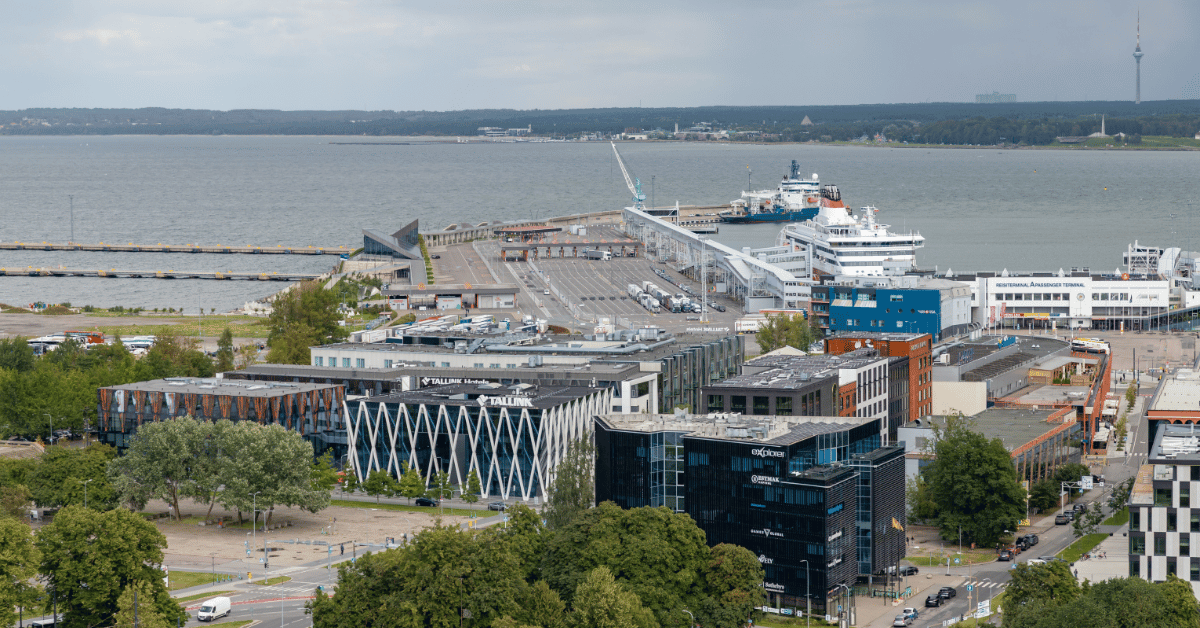
Expanding Reach: Indian Register of Shipping Connects with European Shipbuilding Partners
The Indian Register of Shipping has opened a Hamburg office, signaling a deliberate step toward deeper engagement with European shipbuilding partners. It is a move that makes sense: Europe remains a hub for engineering rigor, and proximity matters when collaboration depends on trust and technical alignment. This expansion is not about abrupt growth but measured integration into a mature maritime ecosystem.
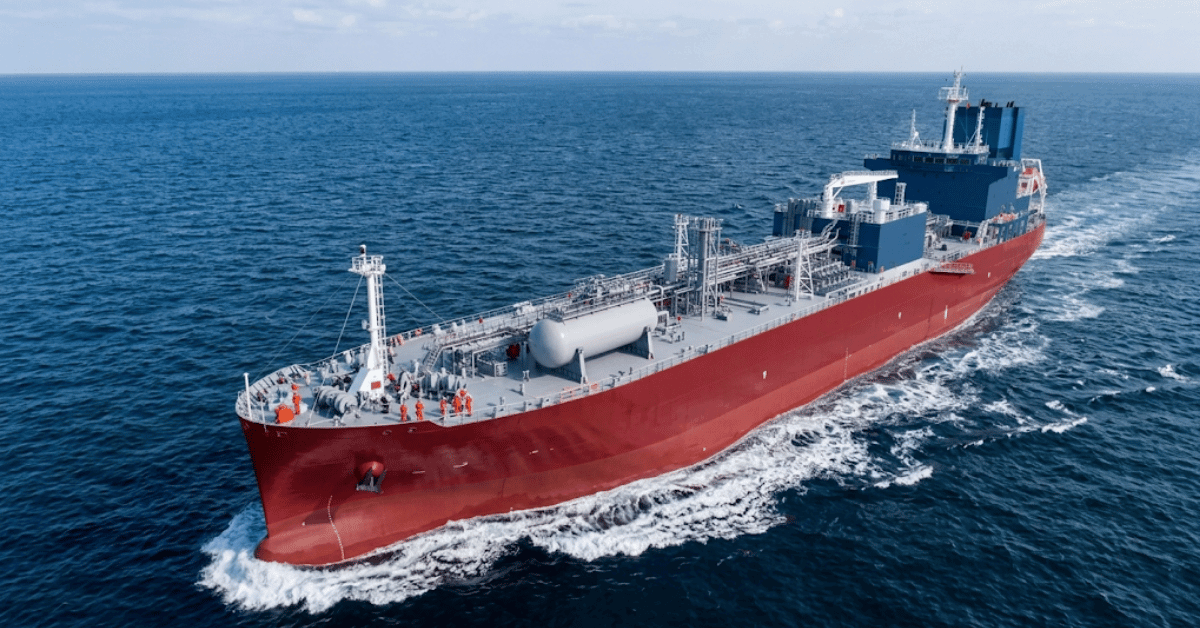
Validated Carbon Capture Offers Significant Emissions Reduction for Shipping.
Onboard carbon capture is no longer a distant concept. Lloyd's Register's latest analysis confirms that validated systems can deliver significant CO₂ emissions reductions for existing ships, offering a practical bridge while alternative fuel supply chains mature. That is a measured, credible step, not a silver bullet. The maritime sector needs every viable tool in the decarbonization toolkit, and this approach lets the current fleet act now.
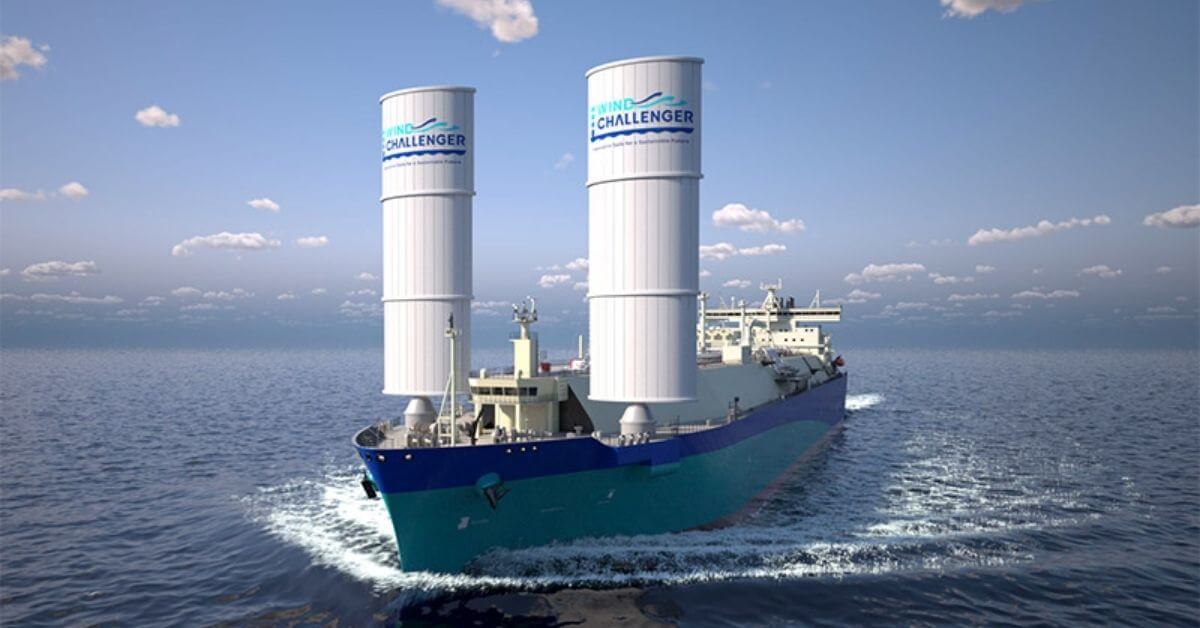
Integrated Vessel Management Bolsters Safety Across MOL's Fleet
MOL's decision to consolidate management of over 200 vessels under MOLGSM signals a firm commitment to operational rigor across the fleet. Centralizing oversight under one banner should sharpen accountability and streamline safety protocols, which is exactly the kind of integrated thinking the industry needs. It is a practical move, grounded in structure rather than spectacle. For readers tracking how operational efficiency intersects with design innovation, our piece on LNG carrier optimization offers a useful counterpoint.

Securing Vital Sea Lanes: Commitment to Straits of Malacca and Singapore.
The Straits of Malacca and Singapore carry a third of global maritime trade, and their security is not negotiable. Indonesia, Malaysia, and Singapore have now made that priority explicit, committing to keep these vital sea lanes open for all nations. This is a calibrated, practical move that reinforces stability where it matters most. For readers tracking how regional infrastructure evolves, our related piece on integrated subsea cables enhancing Indian Ocean connectivity offers useful context.

Battery-Powered Cargo Ship Charts Course for Zero-Emission Shortsea Routes
Battery-powered cargo ships are no longer a concept for the distant future. Conoship has charted a practical course toward zero-emission shortsea routes, citing Scandinavian fjord conditions and designated emission-control areas as prime starting points. This is the kind of applied innovation that moves the industry forward: measurable, route-specific, and grounded in real operational constraints. It is a focused step toward cleaner seas, and we are watching closely. For more on Conoship's expanding influence in maritime design, see our piece on Cochin Shipyard's recent equity stake.

Shipbuilding Orders Surge, Signaling Accelerated Maritime Growth.
The global shipbuilding orderbook is climbing at a 27% year-on-year rate, the fastest pace since the 2008 financial crisis. That is a decisive signal, not a blip. It points to a maritime sector gearing up for sustained demand, likely tied to fleet renewal and shifting trade routes. We read this as a measured vote of confidence in ocean commerce's trajectory.

Empowering Filipino Seafarers with Green Energy Training for a Sustainable Future
On Aug. 17, a groundbreaking ceremony marked the unveiling of a new facility dedicated to empowering Filipino seafarers with green energy training, accredited by MARINA. This initiative responds to a clear need: equipping the maritime workforce with validated, forward-looking skills for a sustainable industry. Basic and advanced programs will anchor this effort, ensuring measurable competence. It is a purposeful step toward integrating environmental responsibility into seafaring. For broader context on maritime infrastructure growth, see our coverage of Paradip Port Designated a Mega Port.

Record-Breaking Green Methanol Bunkering Fuels Sustainable Shipping in Shanghai
A single bunkering operation in Shanghai has set a global record for green methanol supply, marking measurable progress in the shipping sector's shift toward lower-carbon fuels. The scale of this milestone is significant, but the real signal is repeatability: the more ports integrate green methanol into routine logistics, the faster the industry can move beyond pilot projects. For broader context on regional energy flows, our coverage of Gulf of Oman STS transfers offers a useful contrast in how different fuel systems are evolving.

Modeling a Green Shipping Corridor for Sustainable Trade Growth
A 2.2% annual traffic growth rate sounds modest until it meets a decarbonization curve that will not bend. This study models a green shipping corridor linking Shanghai, Jebel Ali, and Koper, and the results are sobering: even with 23 mitigation measures and roughly 86% alternative fuel adoption, net-zero by 2050 remains out of reach. The bunkering stage, not the voyage, is where the system lives or dies. That is the actionable insight. Corridors are not routes; they are integrated transport-energy systems.
Charting a Course: Green Shipping Corridors Amid Global Tensions
Maritime shipping generates roughly 2.9% of global greenhouse-gas emissions, and green shipping corridors are emerging as targeted experiments in route-specific decarbonization. This paper examines a critical question: how do stakeholders sustain cooperation on a zero-emission corridor when geopolitical tensions threaten to derail progress? Focusing on the Los Angeles-Long Beach-Shanghai corridor from 2022 to 2025, the analysis introduces two concepts, institutional insulation and negotiated gradualism, that explain how bounded technical workstreams and mutual commercial interest keep collaboration alive.

Methanol Bunkering Powers New Car Carrier, Advancing Ocean Decarbonization.
The M/V Arctic Tern has taken on 2,800 metric tonnes of green methanol in China's largest simultaneous car-handling and bunkering operation, marking a practical step forward for ocean decarbonization. This 9,300-CEU carrier shows how alternative fuels move from concept to routine application. We see momentum building across vessel types, from LNG bunkering designs to ore carriers. For a closer look at how dual-fuel capability is being validated elsewhere, see our coverage of Hanwha Power's recent ABS approval.

Immediate Efficiency Gains Key to Decarbonizing Shipping Operations
The EY study identifies energy efficiency and operational measures as among the most practical near-term actions for shipping, and the logic is immediate. These steps cut emissions without waiting for new fleets or alternative fuels. For an industry under pressure to decarbonize, this is where progress begins. The sector already has the tools; it needs the discipline to deploy them.

Maritime Workforce: Data Reveals Challenges and Opportunities for Women Seafarers
One percent. That is the share of the global maritime workforce made up of female seafarers, a figure that underscores how far the industry still has to go. The data on crew training, retention, and recruitment points to systemic hurdles, not a lack of capable candidates. Addressing this imbalance is a measurable step toward strengthening ocean intelligence and operational resilience. For a broader view of how the sector is evolving, our coverage of the Navy's autonomous systems integration offers useful context.