AIS
AIS at World Data Ocean is a file of 10 stories. The newest of them: “Coast Guard Medevac Responds to Medical Need 86 Miles Off Hawaii”, “Oman Mandates Continuous AIS Transmission for Foreign Vessels”, and “Field-Bound Ecologist Maps a Career Path in Fisheries Observation”. Eighty-six miles off Hawaii, the U.S. Oman now requires foreign vessels in its territorial waters to transmit AIS continuously, no exceptions. A Global Hub for Ocean Intelligence 4 World Data Ocean is a centralized digital platform where researchers, scientists, and ocean enthusiasts converge to… The list below is every AIS story on World Data Ocean, newest first.
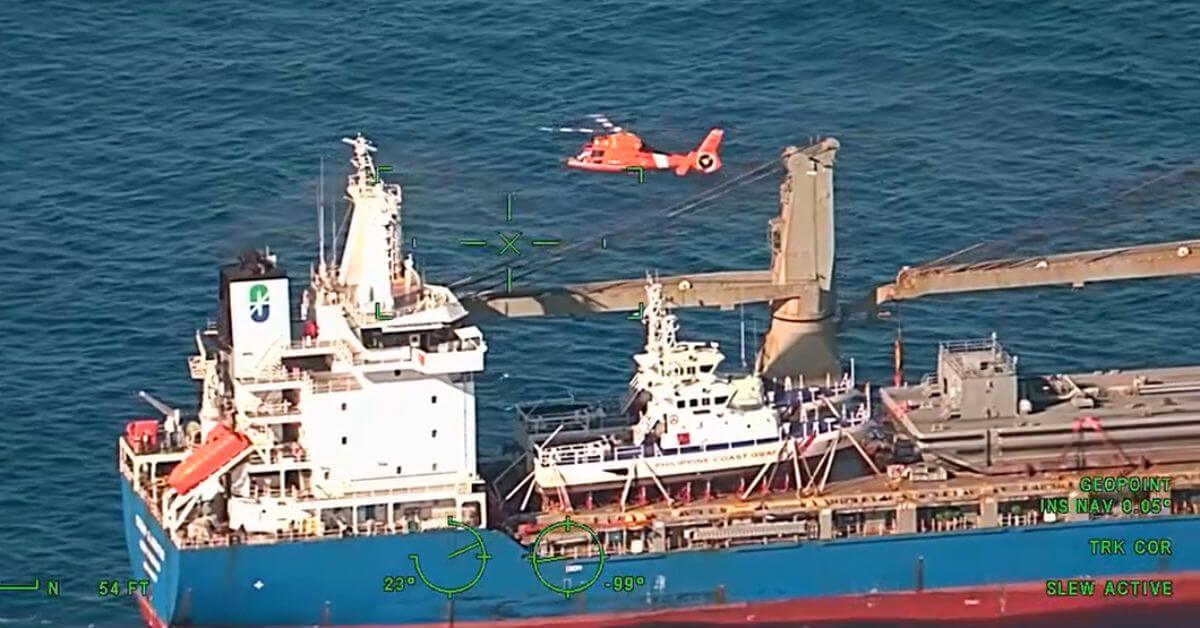
Coast Guard Medevac Responds to Medical Need 86 Miles Off Hawaii
Eighty-six miles off Hawaii, the U.S. Coast Guard evacuated a sick crew member from a U.S.-flagged cargo ship on Wednesday, October 7. This medevac is a reminder that even far from shore, human need demands immediate, coordinated response. Such operations rely on the same integrated data ecosystems that help us track threats like the 350 million tons of annual plastic waste documented in our related coverage, "Tracking 350 million tons of annual plastic waste to its ocean sink."
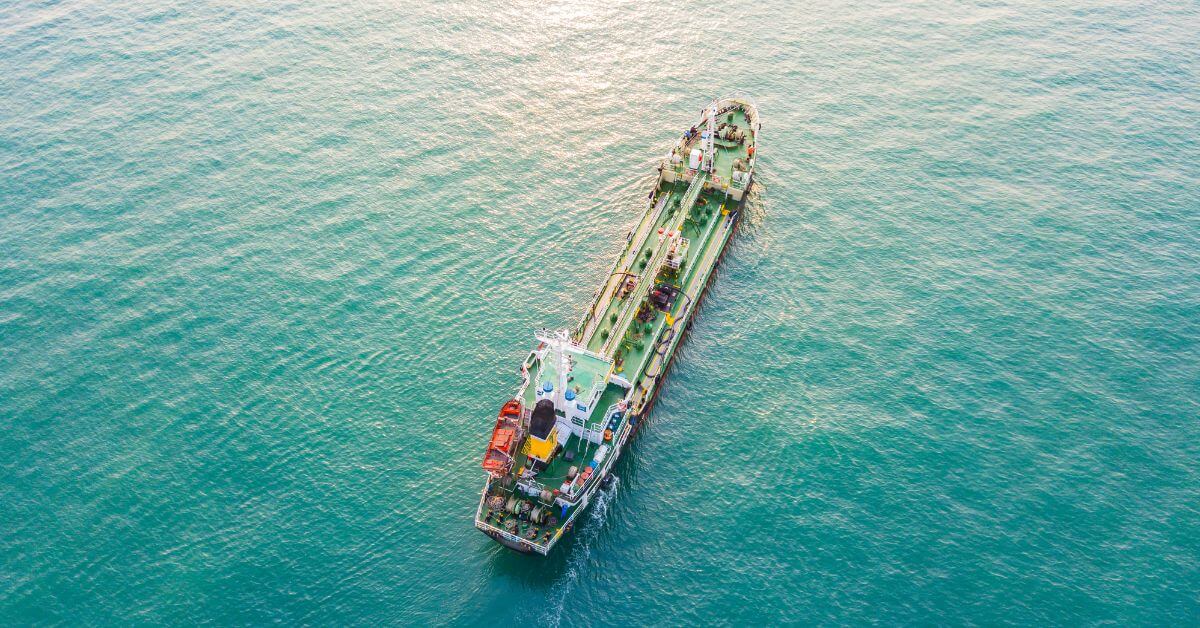
Oman Mandates Continuous AIS Transmission for Foreign Vessels
Oman now requires foreign vessels in its territorial waters to transmit AIS continuously, no exceptions. This is a calibrated, empirical step toward measurable maritime security. Given the recent delayed reports of IRGC incidents in the Strait of Hormuz, the policy underscores a growing need for real-time ocean intelligence in volatile chokepoints. Transparency at sea is not optional; it is the foundation of shared responsibility and validated situational awareness.
Field-Bound Ecologist Maps a Career Path in Fisheries Observation
A degree in ecology and a minor in marine science can open doors to some of the most demanding field roles on the planet, and this graduate is aiming straight for the deck of a fisheries observer vessel. The decision to take a year between undergraduate study and graduate school is a sound one, especially when it involves collecting empirical data in Alaska's working waters.
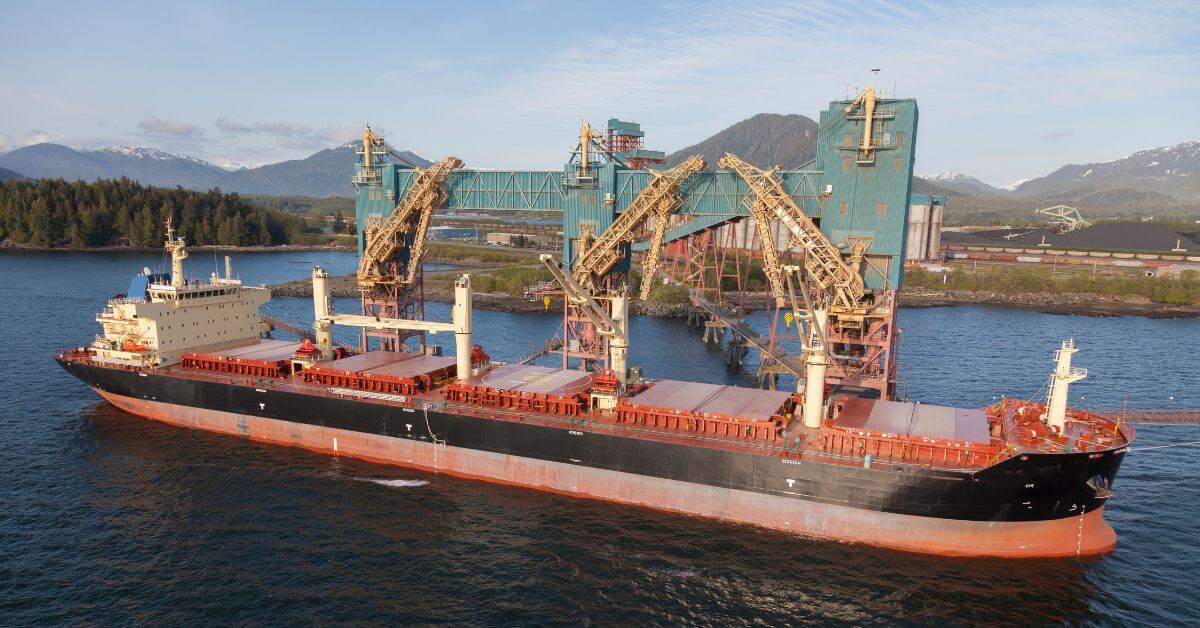
Captain of Russian-controlled bulker charged over 54,000 tonnes of Ukrainian grain
The captain of a Russian-controlled bulker now faces charges in Ukraine over the alleged transport of 54,000 tonnes of Ukrainian grain. This is not merely a shipping dispute; it is a measurable act within a larger pattern of resource exploitation. Accountability must be calibrated to the scale of the crime. For broader context on maritime accountability, see our coverage of the *June Aster* ferry fire tragedy, where a captain also faces criminal charges.
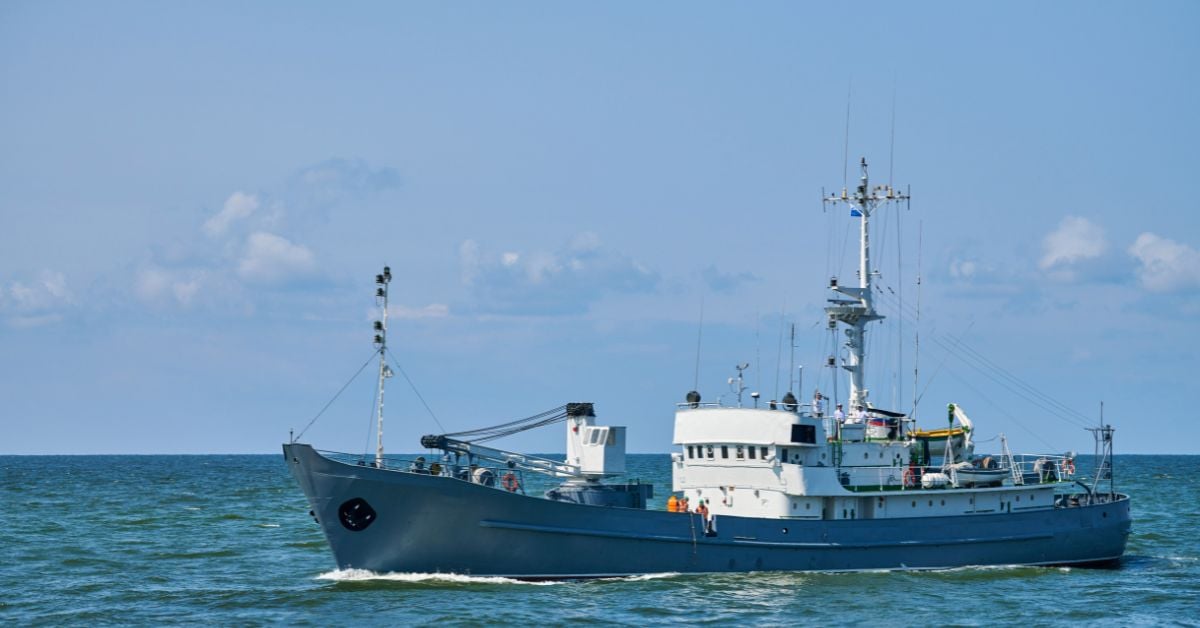
Undersea Cable Integrity Questioned After Reported Location Falsification Incident
A Chinese vessel reportedly falsified its location while operating near undersea cables in Philippine waters. That is not a technical glitch, it is a breach of maritime trust. When vessel identity data becomes unreliable, the integrity of critical infrastructure like undersea cables faces real risk. This incident demands empirical accountability. For further insight into how precise positioning shapes ocean industries, see our related coverage of "Precision at sea advances Asia-Pacific offshore wind by 2029."
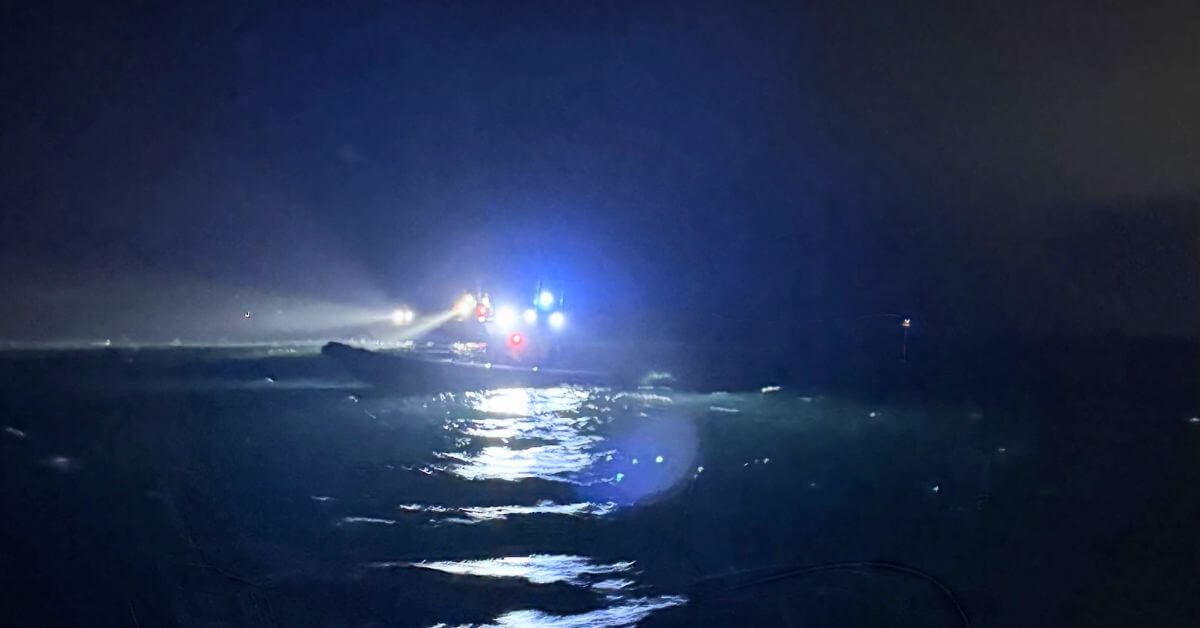
Collision in Hakefjord: Investigation Follows Fatal Loss of Life
The collision in Hakefjord, where a cargo ship overtook and struck a small pleasure boat, killing a mother and her daughter, demands more than a routine inquiry. This is a devastating reminder that maritime safety depends on vigilance in every encounter, regardless of a vessel's size. The investigation must be rigorous and transparent, as the waters we share leave no room for error. For broader context on recent incidents, our coverage of the bulk carrier grounding near Gladstone offers a parallel look at operational risks.

Shipping Traffic in Strait of Hormuz Declines Amid Geopolitical Tensions
Tracking shipping through the Strait of Hormuz has become a sharper exercise in reading the gaps. Recent data shows a decline in transiting vessels, but the figures carry a caveat: some ships have switched off their transponders while crossing this critical waterway. That means the true volume is likely higher than reported, a reminder that geopolitical tension distorts even our most reliable metrics.

Disruption in Hormuz: LNG Tanker Damaged Amidst Red Sea Shipping Activity
An engine room breach on a Qatari LNG carrier near the Strait of Hormuz is a measured reminder of how fragile this waterway has become. The vessel, loaded in late July, sustained damage without casualties, yet the incident sharpens the focus on a region already stretched thin. As Gulf of Oman STS transfers hit capacity, the pressure compounds. This is not alarmism; it is empirical stress on a critical artery.

Cargo Ship Sinks Near Disputed South China Sea Reef
A Vietnamese cargo ship, the Khoi Nguyen 18, sank Saturday near Fiery Cross Reef, a Chinese-built artificial island in the disputed Spratly Islands. The incident underscores the high-stakes reality of maritime transit through contested waters. Reliable data on vessel movements and regional conditions remains essential for preventing such losses. We track these developments closely. For broader context on regional shipping pressures, our report on the Gulf of Oman STS transfers maxing out offers a useful comparison.

Caspian Sea Incident: Iran Reports Sailor Death Following Ukrainian Action
A sailor is dead in the Caspian Sea, and the blame is now a geopolitical weapon. Iran reports that a Ukrainian strike on a commercial vessel killed one crew member, while Kyiv's SBU has identified two sanctioned cargo ships and a missile boat as the intended targets. The incident sharpens a volatile maritime front. For those tracking the region's escalating naval tensions, our related coverage on the Vostok Project launching Arctic oil exports offers a useful counterpoint.