ABS
4 stories filed under ABS on World Data Ocean. The newest of them: “Three classification societies set a new standard for maritime integrity”, “Ammonia Bunkering Vessel Design Receives Approval, Advancing Sustainable Maritime Fuels”, and “Advancing Maritime Standards: A Global Framework for Hydrogen and Smart Ships”. Three classification societies have joined the Maritime Anti-Corruption Network, setting a new standard for maritime integrity. HD Hyundai's shipbuilding arms have secured ABS approval in principle for an ammonia bunkering vessel design, a concrete step toward commercialising a fuel critical to maritime decarbonisation. A Global Hub for Ocean Intelligence 4 World Data Ocean is a centralized digital platform where researchers, scientists, and ocean enthusiasts converge to… The list below is every ABS story on World Data Ocean, newest first.

Three classification societies set a new standard for maritime integrity
Three classification societies have joined the Maritime Anti-Corruption Network, setting a new standard for maritime integrity. ABS, DNV, and RINA are now MACN's first classification society members, strengthening collective action against corruption risks. This is a calibrated step toward measurable industry accountability. Integrity requires more than policy, it demands empirical, peer-reviewed collaboration across the maritime ecosystem. For deeper context on how classification societies are advancing maritime safety and sustainability, see our coverage of the *Singapore Hub Advances Digital Twins and AI for Ocean Decarbonisation*.
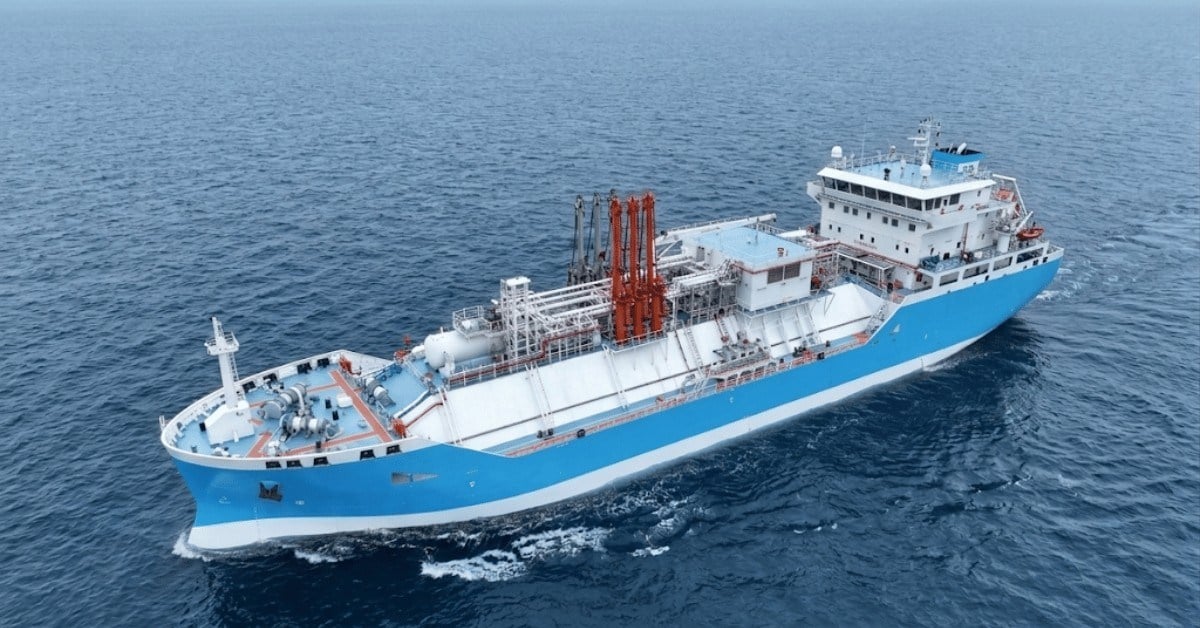
Ammonia Bunkering Vessel Design Receives Approval, Advancing Sustainable Maritime Fuels
HD Hyundai's shipbuilding arms have secured ABS approval in principle for an ammonia bunkering vessel design, a concrete step toward commercialising a fuel critical to maritime decarbonisation. The classification validates the integrated approach behind the design, moving ammonia from theoretical promise toward operational reality. This is how ocean intelligence translates into practical infrastructure. For broader context on the sector's risks, our report on the fatal attack near Oman underscores the security dimension shaping today's shipping routes.

Advancing Maritime Standards: A Global Framework for Hydrogen and Smart Ships
Standards define the next wave of maritime progress, and ABS is helping to set them. The classification society has signed a memorandum of understanding with three Korean maritime organizations to advance international standards for hydrogen-powered and smart ships. This is practical, forward-looking work. Collaboration across borders is how ocean intelligence matures. For broader context on naval growth, our piece on India's expanded fleet offers a useful parallel. But this agreement is about building the framework itself, and that is where lasting impact begins.

Validated Design Paves Way for Ocean-Based Data Centers
Classification societies and shipbuilders rarely agree on the abstract, but ABS and Samsung Heavy Industries have now aligned on something concrete: floating data centers are viable. Their newly validated design, announced in two milestones, moves ocean-based computing from concept toward class approval. This matters because data infrastructure is increasingly landlocked by energy and cooling demands. The ocean offers a calibrated alternative, though real-world deployment will test the design's mettle.