World’s First Ethanol-Capable Engine Passes R&D Testing For Very Large Ore Carrier
Our take
The recent announcement of the world’s first ethanol-capable engine passing R&D testing for a Very Large Ore Carrier (VLOC) marks a significant, albeit incremental, step towards decarbonizing the maritime industry. This development, destined for a vessel chartered by Vale and operated by Shandong Shipping, underscores the accelerating search for alternative fuels beyond the traditional reliance on heavy fuel oil. The shift is particularly crucial given the sector’s substantial contribution to global greenhouse gas emissions and the increasing regulatory pressure to reduce its environmental impact. The parallel expansion of the Indian Register of Shipping to Hamburg demonstrates the broader reshaping of global maritime logistics and support infrastructure to accommodate these emerging technologies and fuels, as supply chains adapt to a new operational reality. Considering the simultaneous naming of DP World’s first methanol dual-fuel vessel, DP World London, it’s clear that multiple pathways toward cleaner shipping are being actively pursued.
The adoption of ethanol, while not a silver bullet, presents a compelling case due to its potential for sustainable production, particularly when derived from non-food sources like agricultural waste. Its compatibility with existing engine designs, requiring comparatively less modification than some other alternative fuels, is a key advantage. However, challenges remain. Ethanol’s energy density is lower than that of traditional marine fuels, necessitating larger fuel storage capacity and potentially impacting vessel range. Furthermore, the global supply chain for ethanol, particularly in the quantities required to power a large fleet of VLOCs, is not yet fully established. The successful integration of this technology into a VLOC, a workhorse of global trade, will be a crucial empirical validation of its viability. It’s essential to view this development within the broader context of port infrastructure and operational efficiency, as highlighted in an article exploring Port Automation: The Reality Nobody Tells You. Effective port operations will be critical to support the logistical demands of alternative fuel bunkering and vessel turnaround times.
The significance of this ethanol engine’s development extends beyond the immediate benefits of reduced emissions. It represents a validation of the ongoing research and innovation within the marine engineering sector, demonstrating a tangible shift towards alternative propulsion systems. The rigorous R&D testing process underscores the commitment to ensuring the safety and reliability of these new technologies before widespread implementation. While methanol and ammonia are gaining significant traction as alternative fuels, the inclusion of ethanol expands the potential fuel mix and diversifies the risk associated with reliance on any single solution. A calibrated approach, incorporating multiple fuel options, will be essential for achieving long-term decarbonization goals within the maritime industry. Real-time data on fuel performance and emissions, gathered through longitudinal studies of vessels utilizing these alternative fuels, will be crucial for refining operational strategies and optimizing fuel consumption.
Looking ahead, the key question revolves around scalability and affordability. Can ethanol production be ramped up to meet the demands of the global shipping fleet while remaining economically competitive? The integrated data ecosystem required to manage the complexities of alternative fuel supply chains, bunkering operations, and emissions monitoring will be paramount. Furthermore, the impact of this transition on workforce skills and port infrastructure requires careful consideration. The successful deployment of ethanol-capable engines in VLOCs, and similar advancements across the maritime sector, will depend on a collaborative effort involving shipowners, engine manufacturers, fuel producers, and policymakers, all guided by validated scientific data and a shared commitment to ocean stewardship.
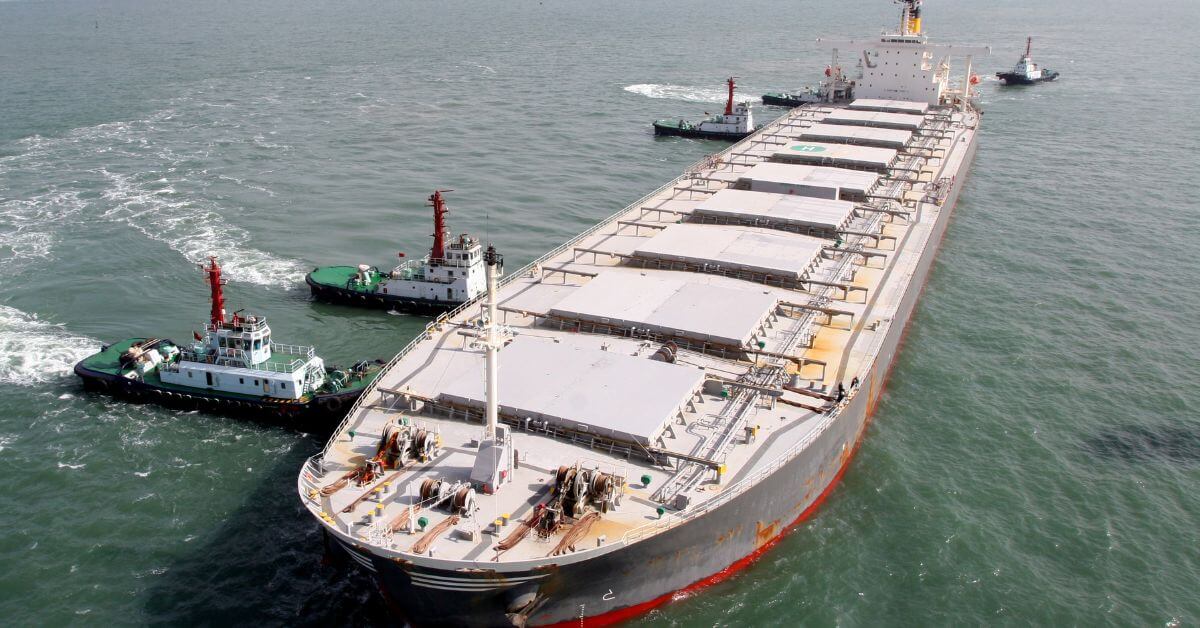
Everllence has announced that the world’s first Everllence B&W G80 ethanol capable engine has been tested and verified at an R&D test at HD Hyundai Heavy Industries Engine and Machinery division in Korea. The engine is bound for the third in a series of 10 × Very Large Ore Carriers ordered by Shandong Shipping for chartering to Brazilian mining and logistics operator, Vale. Vessel delivery is set for early 2027.
Bjarne Foldager – Head of Two-Stroke Business, Everllence – said: “This marks a major milestone for the G80 engine platform, transforming it into a fully flexible tri‑fuel engine capable of operating on fuel oil, methanol, ethanol, or any blend of the latter two.
The project reflects our shared commitment with Vale regarding pragmatic and scalable decarbonisation pathways within the hard-to-abate shipping sector, and positions Vale at the forefront of maritime sustainability. By selecting the G80 tri-fuel engine, Vale is advancing its strategy to reduce emissions across its maritime logistics chain while maintaining operational robustness in what are – currently – demanding conditions for low-carbon fuels.”
The new announcement stems from a cooperation agreement signed by Everllence and Vale in February 2026 regarding the development of an advanced, ethanol-powered engine based on the well-proven Everllence B&W ME-LGIM (-Liquid Gas Injection Methanol) platform.
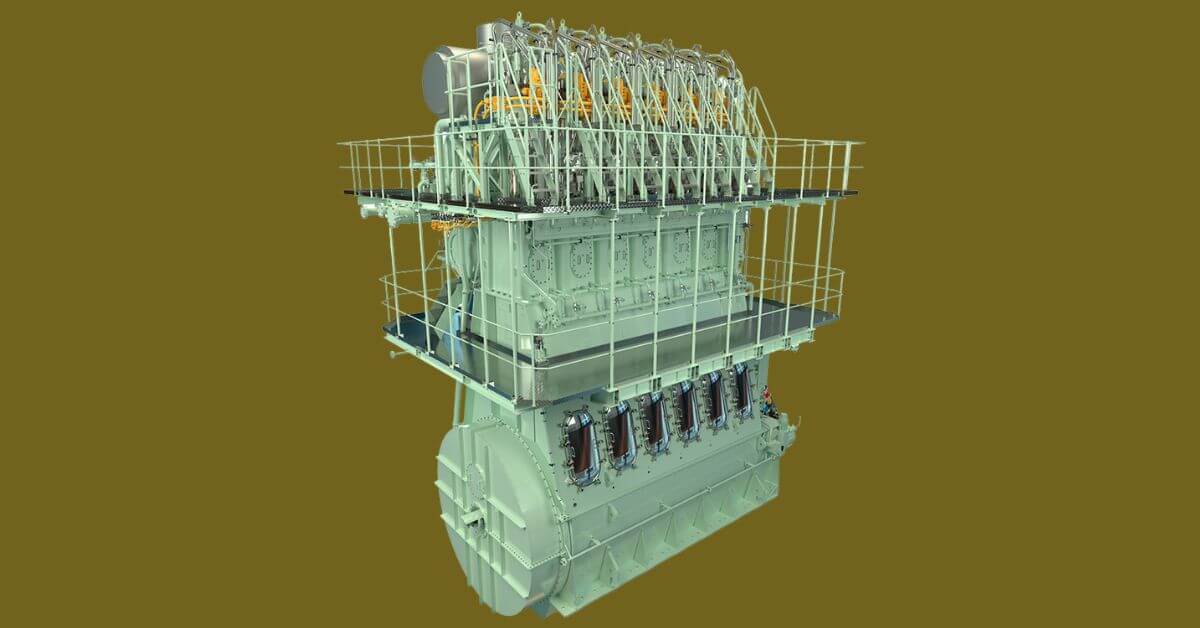
Christian Ludwig – Vice President, Head of Global Sales & Promotion, Two-Stroke Business, Everllence – said: “The G80 ethanol engine is based on the proven B&W ME-LGIM platform. It represents the latest evolution of Everllence’s two-stroke dual-fuel engines, designed to enable shipowners to transition seamlessly towards lower-emission fuels without compromising operational efficiency, reliability or safety.
In general, interest in ethanol as a marine fuel has increased over the past five years as multi-fuel capability increases shipowner flexibility. We foresee the core demand for this engine coming from bulk carriers, tankers and container vessels. With over 250 methanol engine orders under our belt already, of which more than 100 are in service, Everllence is the leading engine designer for methanol and ethanol-fuelled engines”
Dual-fuel leadership
With the order, Everllence continues to expand its footprint across multiple alternative fuel technologies, including methane, methanol, ammonia, ethane, LPG, and now ethanol. As the maritime industry explores new fuel pathways, the company emphasises the importance of mature, reliable technologies that can be deployed at scale.
The G80 ethanol project underscores a shift from early-stage announcements towards tangible implementation, reinforcing Everllence’s role in enabling the next phase of shipping’s energy transition.
Read on the original site
Open the publisher's page for the full experience