The COVID-19 vaccine may offer brain cancer patients a surprise benefit
Our take
The recent observation that a COVID-19 vaccine may unexpectedly extend survival time in patients with glioblastoma, an aggressive form of brain cancer, presents a compelling and potentially paradigm-shifting development in oncology. A recent study indicated that a single dose of the vaccine doubled survival time in a cohort of patients who had undergone biopsy or surgery, a result that demands rigorous further investigation. While correlation does not equal causation, the finding sparks a critical question: could mRNA vaccine technology, initially developed to combat viral infections, hold therapeutic potential against cancers? This possibility aligns with ongoing research exploring the immunomodulatory effects of mRNA, as highlighted in our previous article Here’s what the first mRNA flu vaccine could mean for flu season, which demonstrates the potential for enhanced and longer-lasting immune responses beyond simply preventing infection. Understanding how these responses might be harnessed to target cancer cells is now a vital area of inquiry.
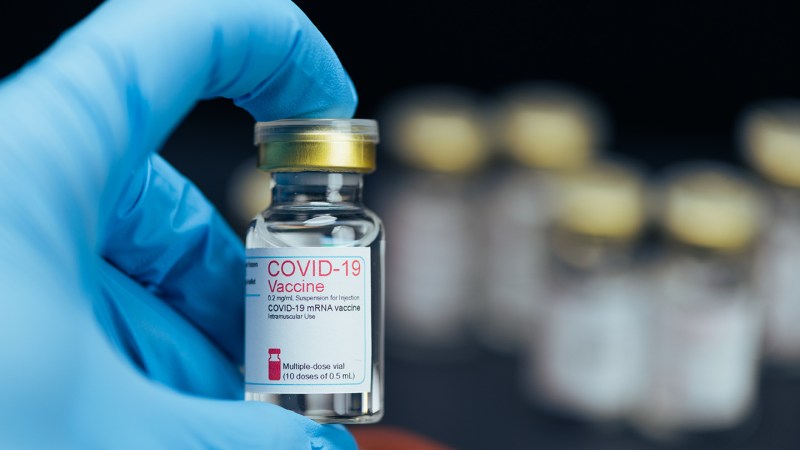
The mechanism behind this observed benefit remains unclear, but several hypotheses are emerging. Glioblastoma is known for its immunosuppressive microenvironment, which allows it to evade the body's natural defenses. It's conceivable that the COVID-19 vaccine, by stimulating a broader immune response, could temporarily overcome this suppression, allowing the immune system to better recognize and attack tumor cells. Further, the vaccine's ability to induce cytokine release, though primarily studied in the context of viral immunity, could also play a role in modulating the tumor microenvironment. This is a complex interplay, and the exact mechanisms will require detailed, longitudinal studies. The broader implications extend beyond glioblastoma; research into neurodegenerative diseases, and the potential for early detection, is gaining traction. Our recent piece To detect CTE while alive, a test for another brain disease may help explored how biomarkers for Alzheimer’s disease could offer insights into other brain conditions, demonstrating the interconnectedness of neurological research.
The significance of this finding lies in its potential to repurpose existing, well-characterized mRNA technology for cancer therapy. Traditional cancer treatments often involve harsh and non-selective approaches, leading to significant side effects. mRNA vaccines, on the other hand, offer a more targeted approach, potentially minimizing collateral damage while stimulating the body's own immune system to fight the disease. The speed with which mRNA vaccines were developed and deployed during the pandemic underscored the platform’s adaptability and potential for rapid innovation. This agility is particularly valuable in the fight against cancer, where new therapies are desperately needed. Moreover, the development of personalized mRNA vaccines, tailored to an individual patient’s tumor profile, represents a promising avenue for precision oncology. Research into the role of specific nutrients in bolstering immune responses, as explored in How one amino acid might help fight colon cancer and infections, further emphasizes the interconnectedness of diet, immunology, and disease management, potentially offering complementary approaches to enhance vaccine efficacy.
Moving forward, rigorous, placebo-controlled clinical trials are essential to validate these preliminary findings and to elucidate the underlying mechanisms. Researchers will need to investigate the optimal vaccine type, dosage, and timing relative to tumor treatment. It will also be crucial to identify which patient subgroups are most likely to benefit from this approach. The observation, while promising, underscores the complexity of the tumor microenvironment and the need for a nuanced understanding of the immune system's response to cancer. The question now is whether this unexpected benefit can be translated into a broader therapeutic strategy, and what other cancers might similarly respond to immunomodulation via mRNA technology. The integration of real-time data and longitudinal studies will be paramount to unlocking the full potential of this discovery.
Read on the original site
Open the publisher's page for the full experience