immune response
6 stories filed under immune response on World Data Ocean. The newest of them: “Mushroom-derived feed boosts immune response in European seabass aquaculture”, “Climate Stressors Reshape Salmon Gill Microbiome, Threatening Aquaculture.”, and “COVID-19 Vaccine Shows Potential Benefit for Glioblastoma Patients”. Dietary supplementation with mushroom-derived Hifas Aqua significantly boosted survival rates in European seabass challenged with *Photobacterium damselae*, a finding with tangible implications for sustainable… Rising ocean temperatures and oxygen depletion are not distant threats; they are reshaping the gill microbiome of farmed Atlantic salmon, and the industry is catching up slowly. A Global Hub for Ocean Intelligence 4 World Data Ocean is a centralized digital platform where researchers, scientists, and ocean enthusiasts converge to… The list below is every immune response story on World Data Ocean, newest first.

Mushroom-derived feed boosts immune response in European seabass aquaculture
Dietary supplementation with mushroom-derived Hifas Aqua significantly boosted survival rates in European seabass challenged with *Photobacterium damselae*, a finding with tangible implications for sustainable aquaculture. The study demonstrated that fish fed 1% and 2% inclusion levels showed upregulated immune-related genes and enhanced humoral defenses. This is empirical, measurable progress toward reducing reliance on antibiotics. For deeper insights into how natural compounds influence host resilience, see our related coverage on microbiome manipulation and coral health.
Climate Stressors Reshape Salmon Gill Microbiome, Threatening Aquaculture.
Rising ocean temperatures and oxygen depletion are not distant threats; they are reshaping the gill microbiome of farmed Atlantic salmon, and the industry is catching up slowly. This study's identification of Streptococcus and Staphylococcus as biomarkers under heat stress, alongside transcriptomic shifts in immune and tissue-integrity pathways, offers a measurable, peer-reviewed foundation for adaptive management. The findings underscore that climate stressors act in concert, not isolation.
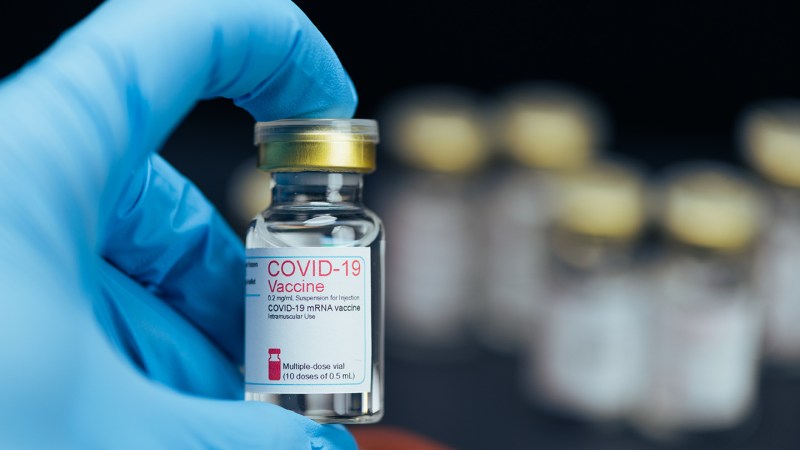
COVID-19 Vaccine Shows Potential Benefit for Glioblastoma Patients
A single dose of the COVID-19 vaccine doubled survival time for glioblastoma patients who had undergone tumor biopsy or surgery. That is a striking result, measured in real clinical outcomes. We are encouraged by any intervention that extends life for those facing this aggressive cancer, though we note the finding stems from a recent study and warrants rigorous follow-up. For broader context on vaccine research, our piece on the mRNA flu vaccine's enhanced immunity offers useful comparison.
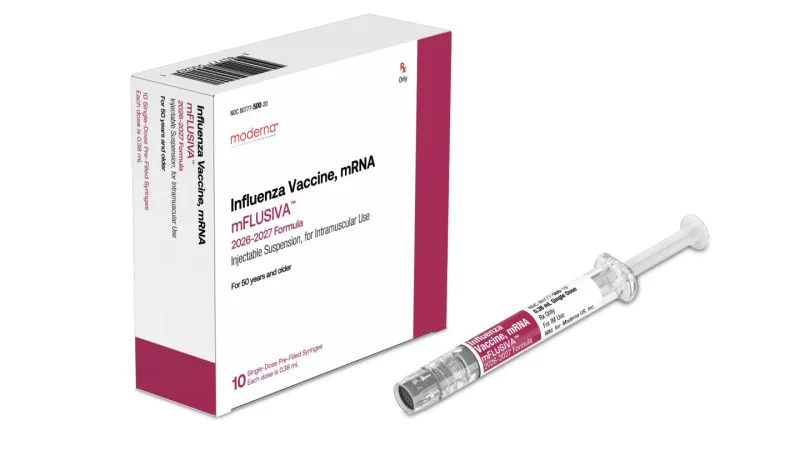
Empirical Data Shows mRNA Flu Vaccine Offers Enhanced, Sustained Immunity
Moderna's mRNA flu vaccine, mFlusiva, outperforms standard shots by generating stronger, longer-lasting immunity and better preventing infection, according to empirical data. The findings underscore a measurable advance in vaccine science, one built on validated, real-world performance rather than promise. This is what integrated, peer-reviewed progress looks like. For more on how data systems track environmental shifts, our related piece, "Integrated Subsea Cables Enhance Data Transmission Across the Indian Ocean," offers a broader view of connectivity's role in ocean intelligence.
Grape Waste Boosts Seabass Health, Offering Sustainable Disease Control
White grape marc, a wine-making by-product, is proving more than a sustainable leftover. New research from the NeoGiANT project shows that supplementing European seabass diets with these polyphenol-rich extracts can boost antioxidant status and protein efficiency without compromising growth. The findings are measured, not revolutionary, yet they point toward a practical path for reducing antibiotic reliance in aquaculture. For those tracking innovations in disease management, our related piece on plant-based tablets for Vibrio control offers another angle worth exploring.
Fermented Fish Silage Boosts Sea Bass Health on Plant-Based Diet
Fermented fish silage is proving that waste can be a precise tool, not just a byproduct. This 70-day trial with juvenile European sea bass shows that solid-state fermentation, particularly with *Lactobacillus plantarum*, elevates a plant-protein diet into something closer to a complete health strategy. The T3 group's superior growth, digestive enzyme activity, and intestinal structure are measurable wins. This is the kind of empirical, circular innovation that moves aquaculture forward.