oncology
World Data Ocean keeps oncology in one place: 3 stories so far. The section currently leads with “Sugar intake during antibiotic therapy disrupts gut microbiome in cancer patients”, “COVID-19 Vaccine Shows Potential Benefit for Glioblastoma Patients”, and “Arginine Boosts Immunity, Showing Promise Against Tumors and Viral Infections”. A measurable increase in microbiome disruption was observed when blood cancer patients consumed sugar during antibiotic therapy. A single dose of the COVID-19 vaccine doubled survival time for glioblastoma patients who had undergone tumor biopsy or surgery. A Global Hub for Ocean Intelligence 4 World Data Ocean is a centralized digital platform where researchers, scientists, and ocean enthusiasts converge to… The list below is every oncology story on World Data Ocean, newest first.

Sugar intake during antibiotic therapy disrupts gut microbiome in cancer patients
A measurable increase in microbiome disruption was observed when blood cancer patients consumed sugar during antibiotic therapy. This finding, from empirical research into gut health, underscores how diet choices can compound treatment impacts. It is a reminder that precision matters in patient care. For a contrasting look at how environmental factors shape biological systems, see our related piece on a coastal specimen prompting community-led ecological inquiry.
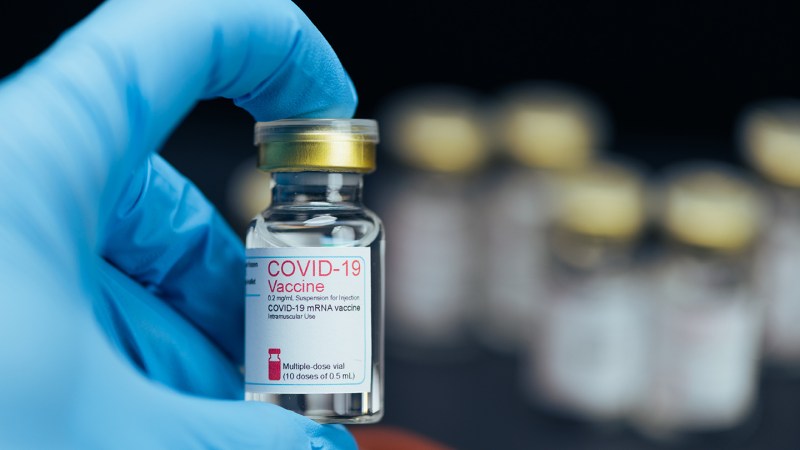
COVID-19 Vaccine Shows Potential Benefit for Glioblastoma Patients
A single dose of the COVID-19 vaccine doubled survival time for glioblastoma patients who had undergone tumor biopsy or surgery. That is a striking result, measured in real clinical outcomes. We are encouraged by any intervention that extends life for those facing this aggressive cancer, though we note the finding stems from a recent study and warrants rigorous follow-up. For broader context on vaccine research, our piece on the mRNA flu vaccine's enhanced immunity offers useful comparison.
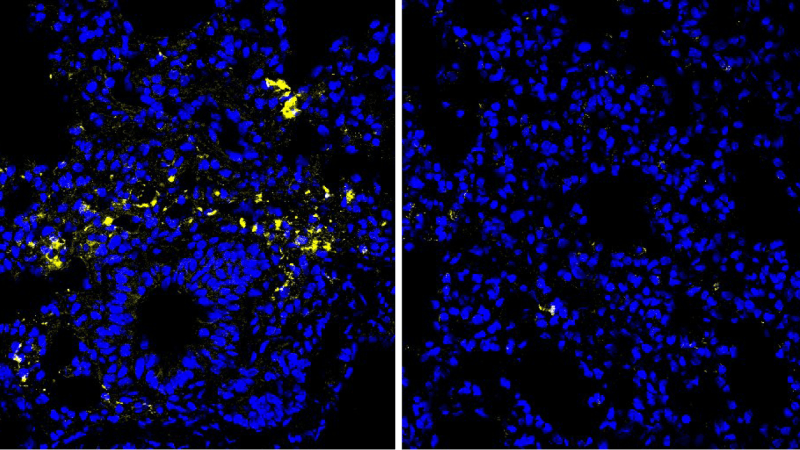
Arginine Boosts Immunity, Showing Promise Against Tumors and Viral Infections
Dietary arginine is not a cure-all, but new research shows it does something striking: it reduced tumor formation and viral load in mice by boosting key immune proteins. That is a measurable, peer-worthy step toward understanding how diet shapes immune defense. We find this promising precisely because it is empirical, not speculative. For readers tracking how nutrition influences long-term health outcomes, our related coverage on early sugar restriction and dementia risk offers a useful parallel.