neurology
neurology on World Data Ocean: a running collection of 4 stories we have gathered and hand-picked because they are worth your time. Every post here touches on neurology in some way — the news, the analysis, the deep dives, and the occasional surprise find. A Global Hub for Ocean Intelligence 4 World Data Ocean is a centralized digital platform where researchers, scientists, and ocean enthusiasts converge to explore, analyze, and… New stories are added to this page as we find them, so check back if you want to keep up with what is happening around neurology, or subscribe to the RSS feed to get them as soon as they are published. Browse the collection below, or head back to the homepage to see everything World Data Ocean is covering right now.

An unproven autism drug got a boost after a White House briefing
In fall 2025, the Trump administration’s endorsement of leucovorin as an autism therapy sparked a significant increase in its prescription for children, despite a lack of newly validated evidence supporting its efficacy. This event underscores the potential impact of policy pronouncements on medical practices and public health. Our reporting emphasizes the critical need for empirical data to guide treatment decisions. For related advancements in medical innovation, see our article, "No refrigerator, no problem. This experimental vaccine doesn’t need it."
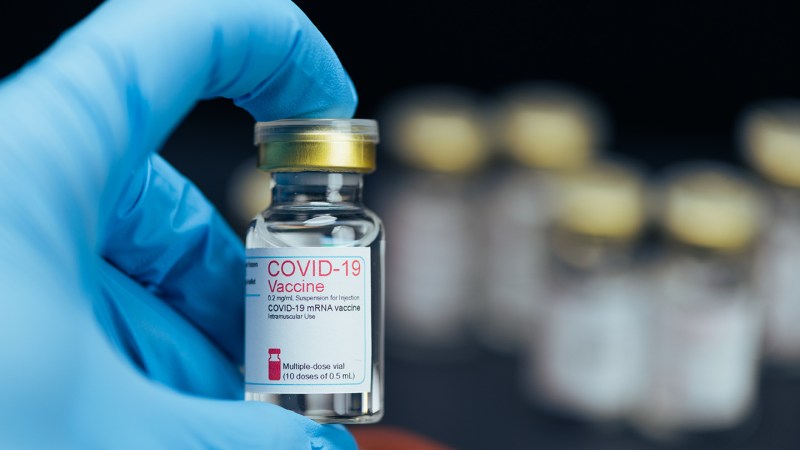
The COVID-19 vaccine may offer brain cancer patients a surprise benefit

Estrogen therapy is linked to fewer signs of Alzheimer’s in the brain
Recent empirical findings suggest a correlation between estrogen therapy and reduced Alzheimer’s brain pathology in older women. A longitudinal study, examining autopsies of individuals who received estrogen-only menopause therapy, revealed fewer signs of Alzheimer's-related damage. While these results indicate a potentially protective effect, it's crucial to note that the therapy may not definitively prevent the disease. Further research is warranted to fully calibrate this relationship.

To detect CTE while alive, a test for another brain disease may help
Early research suggests a potential avenue for detecting chronic traumatic encephalopathy (CTE) while a patient is still living. Scientists have observed that a protein commonly associated with Alzheimer’s disease may also serve as an indicator of brain conditions linked to head trauma, particularly those experienced in contact sports. This discovery offers a promising, albeit preliminary, step toward earlier diagnosis. For broader context on related advancements in understanding complex systems, see our editorial, "Advances in coupled natural and human systems research."