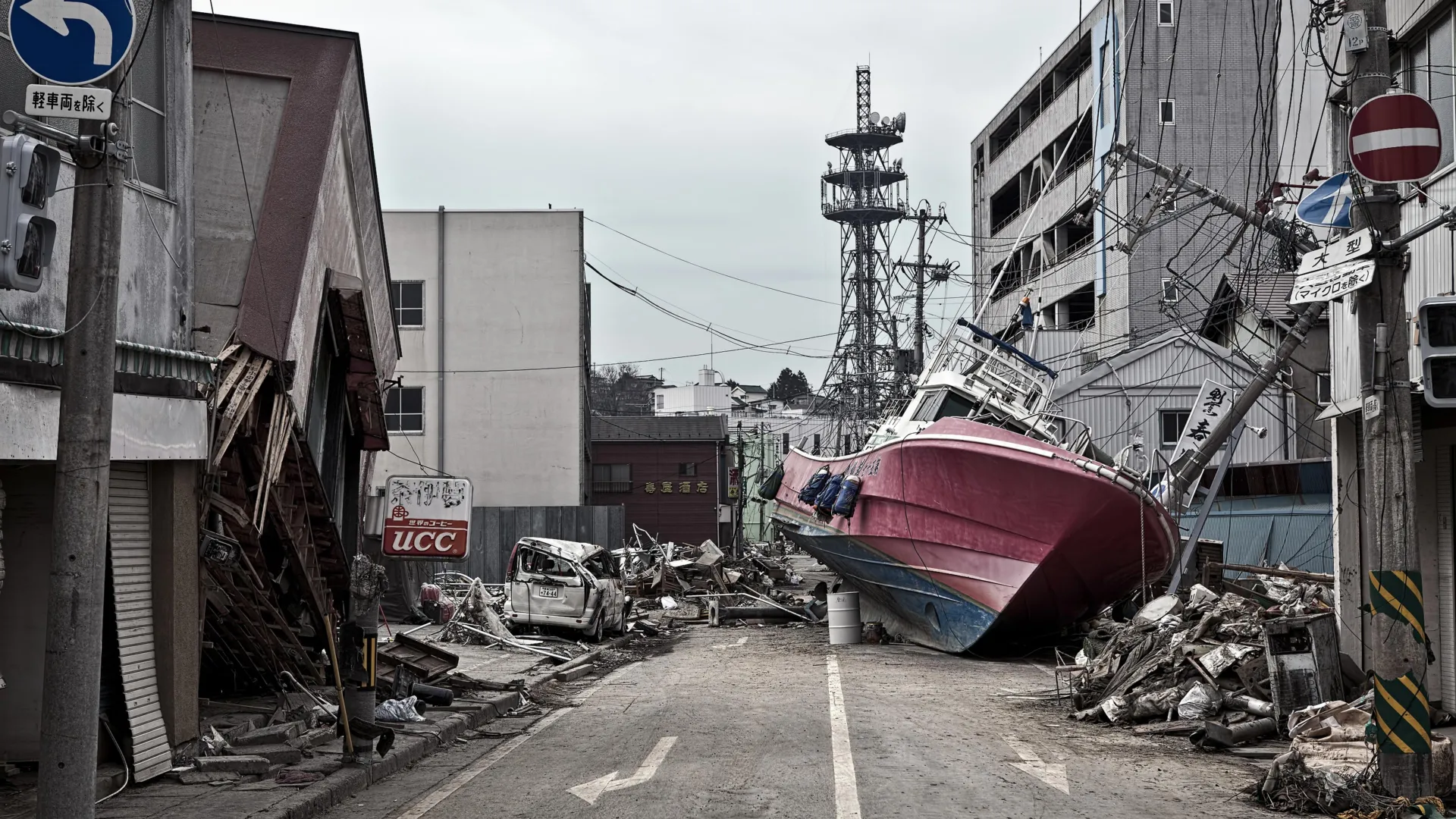
The recent discovery of a previously unknown geological weakness beneath the Pacific Ocean, revealed through record-breaking deep-sea drilling, offers a compelling explanation for the devastating power of Japan’s 2011 tsunami. This finding underscores the critical need for a deeper understanding of sub-seafloor processes and their impact on coastal communities. The research, which uncovered a thin, slippery layer of ancient clay, allows us to re-evaluate existing models of earthquake propagation. This new understanding is particularly relevant given ongoing efforts to characterize source rocks for hydrocarbon exploration, as detailed in [Quantitative geophysical analysis and prediction of TOC content in marine source rocks of the Madingo Formation, Lower Congo Basin, West Africa]. The interplay of geological composition and seismic activity highlights the interconnectedness of seemingly disparate fields within ocean science. Furthermore, the implications extend beyond hazard assessment, touching on the broader understanding of sedimentary processes and the long-term evolution of subduction zones.
The ability of this rupture to propagate all the way to the ocean floor, triggering substantial seafloor movement and subsequently, a massive tsunami, demonstrates a previously underestimated factor in tsunami generation. Traditional models have primarily focused on the fault rupture itself, but this discovery highlights the crucial role of the surrounding geological strata. It’s a powerful illustration of how seemingly minor geological features can have catastrophic consequences. Understanding these subtle vulnerabilities necessitates advanced geophysical techniques and, crucially, a commitment to deep-sea exploration. The challenges associated with investigating the deep-sea environment, as evidenced by the difficulties in assessing [Anthropogenic debris accumulation in the Argentine deep sea: evidence of an irreversible sink], further emphasize the need for innovative technological solutions and sustained investment in oceanographic research. Integrated data ecosystems, such as those we champion, are essential for correlating subsurface geological data with surface observations and modeling tsunami risk with greater accuracy.
This research provides a valuable case study for improving tsunami early warning systems and coastal resilience strategies globally. While existing systems rely heavily on detecting seismic activity and modeling wave propagation, incorporating geological data – specifically the identification of potential “weaknesses” like this clay layer – could significantly enhance predictive capabilities. The ability to calibrate models with empirical data, such as the longitudinal data gathered from this drilling project, builds confidence and allows for more refined risk assessments. Moreover, this discovery reinforces the importance of a holistic approach to coastal management, integrating geological, oceanographic, and socioeconomic factors. Designing ecologically connected marine protected area networks, as explored in [Designing ecologically connected marine protected area networks under global change: the Yellow and Bohai Seas, China], is also vital, as healthy marine ecosystems can offer some natural buffering against tsunami impacts.
Ultimately, the revelation of this hidden geological weakness serves as a potent reminder of the complexity and dynamism of our oceans. It demonstrates that our understanding of these systems is constantly evolving and that continued exploration and rigorous scientific inquiry are paramount. The future of ocean intelligence lies in our ability to integrate diverse datasets – from satellite observations to deep-sea borehole data – to create a comprehensive and validated picture of oceanic processes. The question now is: what other hidden vulnerabilities exist beneath the world’s oceans, and how can we proactively identify and mitigate their potential impact on coastal populations and infrastructure?