Major Fire Reported On Bulker Loaded With 20,000 Tonnes Of Scrap Metal At UK’s Cardiff Port
Our take

The recent fire aboard a bulker in Cardiff Port, carrying a substantial 20,000 tonnes of scrap metal, underscores the escalating risks associated with the maritime transport of recycled materials. Incidents like this highlight vulnerabilities within the global supply chain and demand a renewed focus on safety protocols and risk mitigation strategies. The event echoes concerns previously raised regarding the potential for hazardous materials to ignite during transit, particularly when dealing with densely packed scrap loads. This situation is not isolated; recent reports demonstrate the ongoing complexities of maritime security, with the [Indian Navy Monitors Safe Transit Of 2 Merchant Ships Through Bab-el-Mandeb Strait] and the fluctuating transit numbers through the Strait of Hormuz, as detailed in [Only 2 Commodity Ships Transited Strait of Hormuz, Lowest Daily Tally Since May], both illustrating the precariousness of global shipping lanes. These events emphasize the need for enhanced vigilance and proactive measures to safeguard maritime operations.
The composition of scrap metal itself presents a significant challenge. Scrap often contains residual contaminants, including oils, chemicals, and even reactive metals, that can create volatile conditions. Improper handling and storage practices, both at the source and during transit, exacerbate these risks. The sheer volume of material involved in this Cardiff incident—20,000 tonnes—further amplifies the potential for widespread environmental damage and disruption to port operations. The investigation into the cause of the fire will be crucial, but it is likely to reveal a combination of factors, potentially including inadequate pre-shipment assessments of the scrap metal’s composition, insufficient fire suppression systems onboard the vessel, and perhaps even procedural lapses in port handling. Furthermore, the increasing reliance on AI and automation in maritime operations, as demonstrated by initiatives like [ClassNK Launches AI Assistant “Survey Compass” To Streamline Ship Survey Operations], while offering efficiency gains, also necessitates rigorous testing and validation to ensure these systems can reliably detect and respond to potential hazards such as fires.
Beyond the immediate consequences for Cardiff Port and the affected vessel, this incident serves as a broader reminder of the interconnectedness of global trade and the potential for localized events to have far-reaching implications. The movement of scrap metal is a vital component of the circular economy, facilitating resource recovery and reducing reliance on virgin materials. However, this process must be managed responsibly, with a clear understanding of the associated risks. Enhanced regulatory oversight, improved training for personnel involved in handling scrap metal, and the adoption of more robust risk assessment methodologies are all essential steps. The incident also highlights the importance of real-time data and predictive analytics in identifying and mitigating potential hazards before they escalate. Ocean intelligence platforms, capable of integrating data from multiple sources—vessel tracking, weather patterns, cargo manifests—could play a crucial role in providing early warning signals and enabling proactive interventions.
Looking ahead, the long-term impact of this fire will likely be felt in increased scrutiny of scrap metal handling procedures and a renewed emphasis on maritime safety standards. The incident provides a tangible example of how seemingly routine operations can expose significant vulnerabilities, demanding a proactive and data-driven approach to risk management. The question remains: will this event catalyze a fundamental shift in how the maritime industry approaches the transport of recycled materials, or will it be relegated to another cautionary tale within the annals of maritime incidents? The data collected and analyzed in the aftermath of this fire will undoubtedly inform future strategies for ensuring the safe and sustainable movement of vital resources across our oceans.
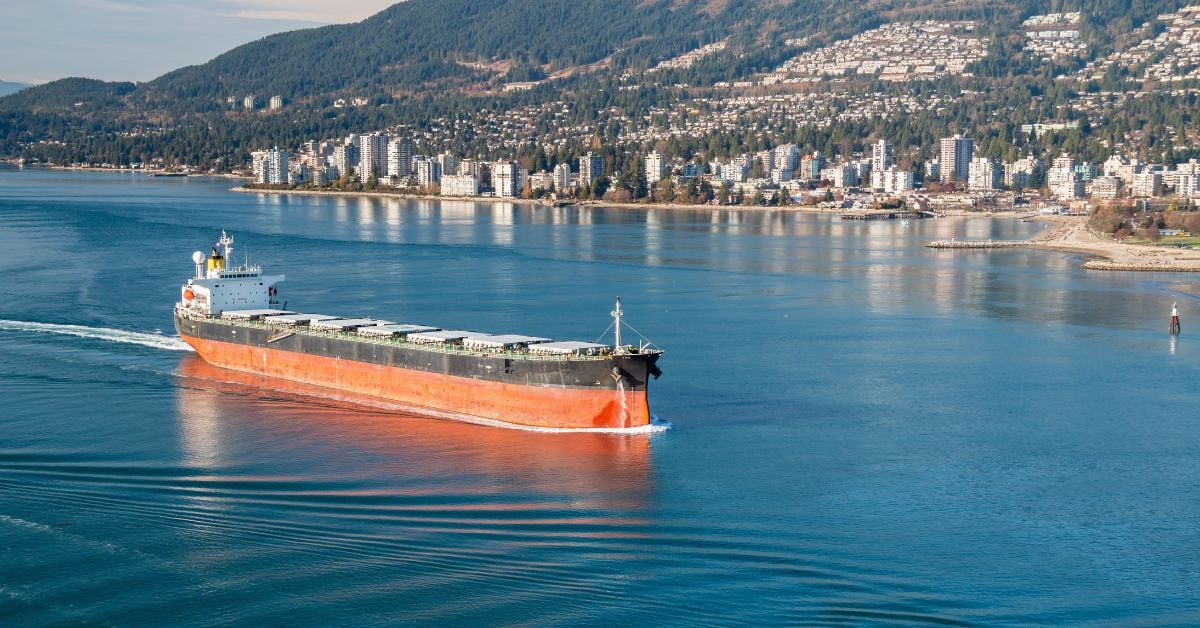
A bulker, the Federal Welland, loaded with 20,000 tonnes of scrap metal, caught fire at the UK’s Cardiff Port situated in Cardiff Bay on the northern side of the Bristol Channel.
The ship, sailing under the flag of the Marshall Islands, was engulfed in flames arising from the cargo inside the hold and led to an emergency at the facility’s Queen Alexandra Docks.
South Wales Fire and Rescue Service was involved in the operations to control the fire, and the firefighting teams used rescue tenders, tugs and a hydraulic platform along with a drone to assess the extent of damage.
Fortunately, all the crew members were safely rescued from the vessel, according to the fire service and Associated British Ports, which is the operator and owner of Cardiff Port.
The smoke covered the skies, drifting towards Cardiff city centre, the bay and Penarth, after which authorities advised the residents in the impacted areas to keep their windows and doors closed until it cleared, to avoid respiratory issues.
People were also instructed to stay away from the port while the firefighting operation was ongoing and not to fly a drone over the site since it could interfere with the work.
Federal Welland is a handysize laker which was constructed 25 years ago, and is currently owned by Fednav, a company based in Montreal, Quebec, Canada, which has a fleet of 130 ships.
Read on the original site
Open the publisher's page for the full experience