Marshall Islands
World Data Ocean keeps Marshall Islands in one place: 8 stories so far. The section currently leads with “Panama Registry Enforces Sanctions by Removing Three Tankers Tied to Iranian Oil”, “Tracking the Shadow Fleet: Sanctions Map 22 Vessels Tied to Iran's Oil Network”, and “Scrap Metal Fire Impacts Cardiff Port, Raising Environmental Concerns.”. The Panama Maritime Authority has removed three tankers, Bitu, Starway, and Mackerel, from its registry and initiated cancellation proceedings, enforcing sanctions tied to Iranian oil. Twenty-two ageing tankers, the core of Iran's remaining shadow fleet, are now mapped and sanctioned. A Global Hub for Ocean Intelligence 4 World Data Ocean is a centralized digital platform where researchers, scientists, and ocean enthusiasts converge to… The list below is every Marshall Islands story on World Data Ocean, newest first.
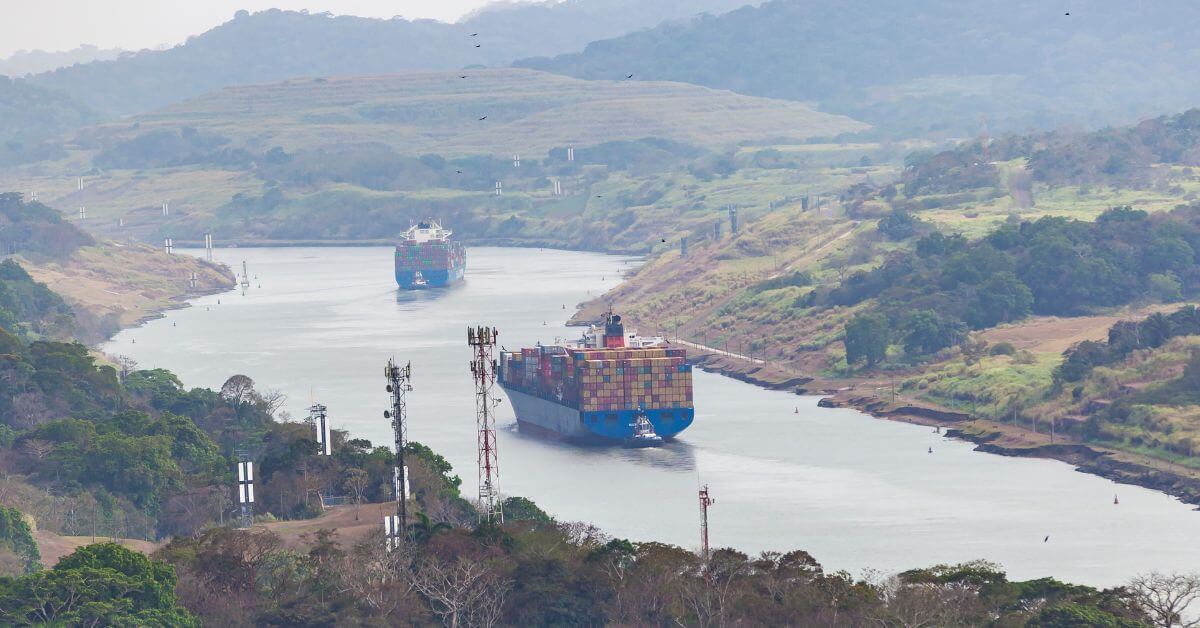
Panama Registry Enforces Sanctions by Removing Three Tankers Tied to Iranian Oil
The Panama Maritime Authority has removed three tankers, Bitu, Starway, and Mackerel, from its registry and initiated cancellation proceedings, enforcing sanctions tied to Iranian oil. This is measured, direct action, not rhetoric. Maritime registries are only as credible as their compliance systems. For deeper context on how Iranian vessels are testing global supply limits and sanctions calculus, see our coverage of stranded Iranian ships off Sri Lanka.
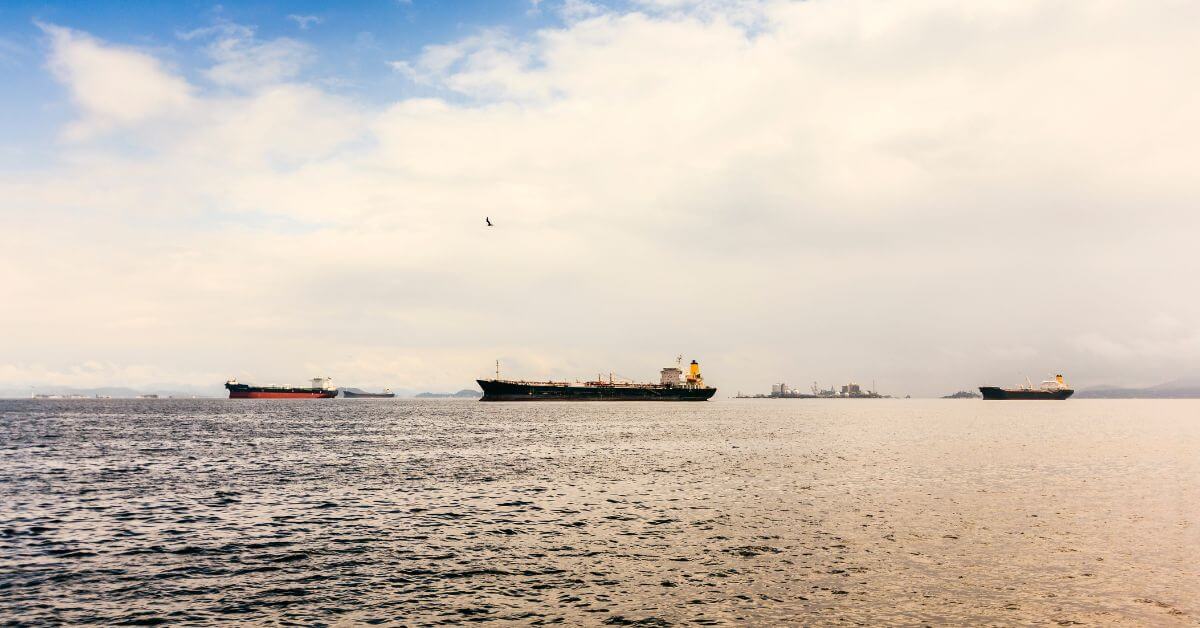
Tracking the Shadow Fleet: Sanctions Map 22 Vessels Tied to Iran's Oil Network
Twenty-two ageing tankers, the core of Iran's remaining shadow fleet, are now mapped and sanctioned. This network moves oil and petroleum products to foreign buyers, circumventing existing restrictions. Tracking these vessels is not academic, it is a measurable step toward enforcing accountability. The recent spike in tanker strikes near the Strait of Hormuz, detailed in our weekly analysis, underscores the escalating risk in these waters. Understanding the fleet's movements is essential for maintaining maritime security.
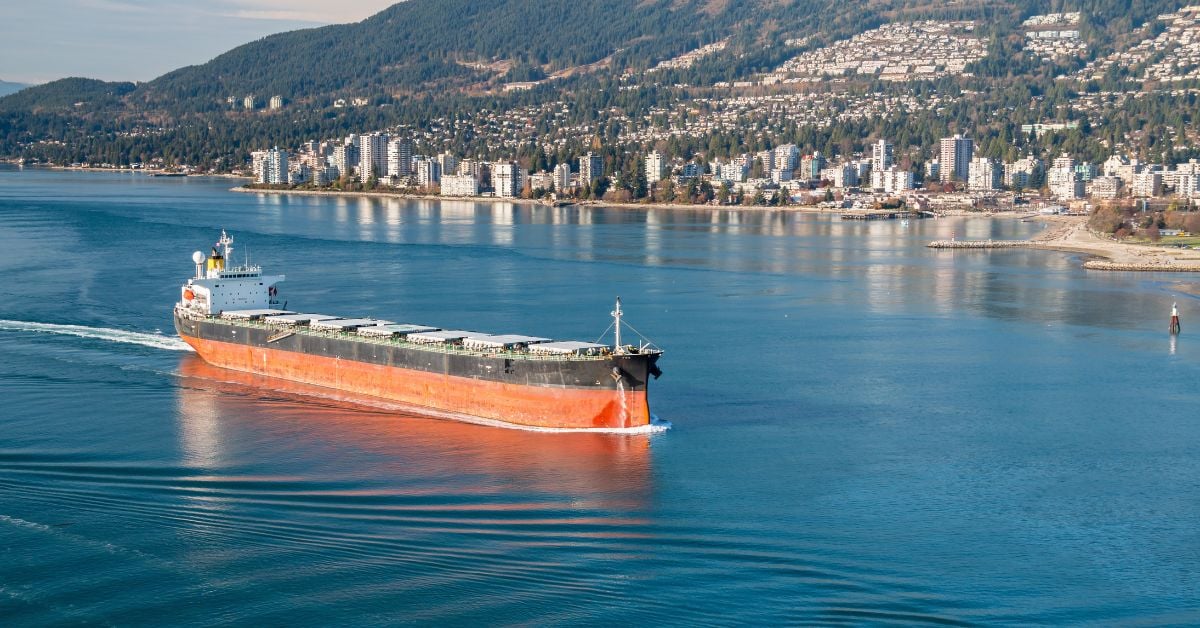
Scrap Metal Fire Impacts Cardiff Port, Raising Environmental Concerns.
A 20,000-tonne scrap metal fire aboard a bulker at Cardiff Port is a stark reminder that hazards in the shipping industry do not respect borders. The incident, unfolding in the Bristol Channel, demands rigorous investigation and transparent reporting. We cannot afford to treat such events in isolation; they are part of a larger, interconnected picture of maritime risk. For broader context on regional maritime threats, our piece on the drone strike impacting an LPG tanker near the Strait of Hormuz offers a relevant parallel.

Tanker Stopped Near Strait of Hormuz; AIS Data Under Review.
AIS tracking data placed the Liberia-flagged tanker *Amara* in a sudden stop south of Qeshm Island during its inbound transit of the Strait of Hormuz. A halt of this kind, in such a critical maritime corridor, warrants close observation rather than speculation. The review of the vessel's movement data will be the measure of what happens next. For broader context on the region's shifting oil flows, our piece on Gulf of Oman STS transfers offers useful perspective.

Energos Winter FSRU Refloated After Drone Attack and Salvage Effort
Energos Winter has been refloated following a drone attack that triggered an explosion and fire, which also reached the nearby LNG carrier GasLog Salem. The successful salvage effort marks a measured step toward restoring normalcy after a volatile incident. For those tracking maritime security, this event underscores the fragility of energy infrastructure in contested waters. It is a disruption, not a catastrophe, but one worth watching closely.

Durban’s Historic Dock Greets Oil Tanker After Decade-Long Hiatus
The 228-metre crude oil tanker *Troy* has arrived at Durban's historic Prince Edward Graving Dock, marking the port's first such berth in a decade. Transnet National Ports Authority's welcome signals a measured return to routine industrial operations, one that balances legacy infrastructure with present-day logistics. The hiatus was long, but the dock's purpose remains clear: precise, functional service. For context on regional maritime pressures, our report on the drone strike near the Strait of Hormuz offers a useful counterpoint.

Attacks Damage Vessels, Disrupt Trade in Ukraine’s Black Sea Ports
The attack in Odesa, which killed another civilian, shows how directly maritime conflict endangers lives and trade. Each strike against port infrastructure disrupts more than steel and cargo; it fractures the supply chains that sustain global markets. This violence demands measured attention, not alarm. Russia's broader maritime strategy, including its calibrated export revenue plans for the Northern Sea Route, reflects a calculated approach to economic pressure. For deeper context on that strategy, see our related piece on Russia calibrating export revenue.

Security Team Fires Warning Shots After Vessel Approached Off Yemen
Armed security teams on a commercial vessel fired warning shots after an approaching boat closed to within five cables off Yemen, a stark reminder that maritime threats persist even as regional trade patterns shift. The incident underscores the calibrated response required to protect crews without escalating violence. Such measured actions reflect the discipline behind modern ocean security. For broader context on regional pressures, our related coverage of Gulf of Oman STS transfers offers useful perspective. Understanding these dynamics drives safer seas.