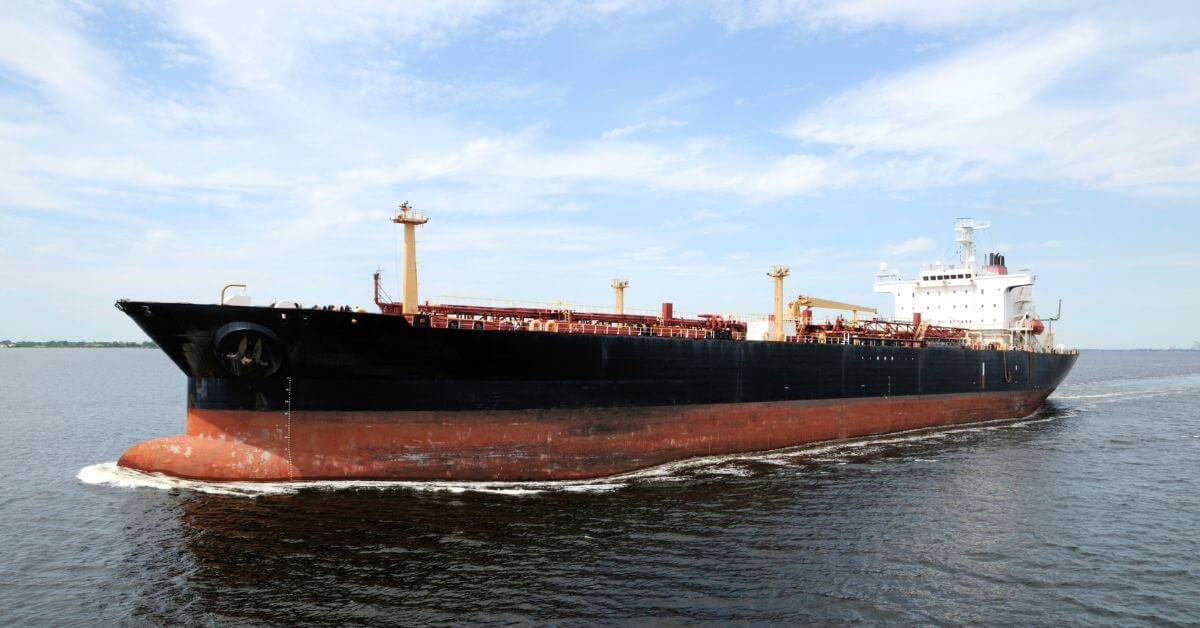
The recent transit of an oil tanker through the Strait of Hormuz, facilitated by a rare exemption granted by Iran, underscores the complex geopolitical dynamics that intersect with global maritime trade and energy security. While this specific event may appear as a singular logistical maneuver, it serves as a pertinent reminder of the critical role these vital waterways play in the global economy and the inherent risks associated with their navigation. For World Data Ocean, such events highlight the imperative for robust, real-time data and comprehensive ocean intelligence. Understanding the intricate interplay of political stability, maritime traffic, and environmental considerations in strategically important chokepoints like the Strait of Hormuz is essential for informed decision-making, risk mitigation, and ultimately, for safeguarding the health and productivity of our oceans.
Our commitment lies in providing validated, measurable insights into the myriad factors influencing oceanic systems. This includes not only the direct environmental impacts of shipping but also the broader geopolitical and economic forces that shape maritime activity. The ability to track, analyze, and predict the implications of such events—from the potential for spills to the economic consequences of trade disruptions—is paramount. By integrating diverse data streams, from satellite imagery and vessel tracking to economic indicators and geopolitical analyses, we aim to construct a holistic understanding of the ocean environment. This integrated data ecosystem allows us to move beyond isolated incidents and identify longitudinal trends, thereby fostering a more proactive and preventative approach to ocean stewardship.
The passage of this tanker, while seemingly routine for those involved in its immediate journey, carries broader implications for the global energy supply chain and the environmental integrity of the region. Events like these reinforce our purpose: to equip researchers, policymakers, and stakeholders with the precise, empirical data needed to navigate these complexities. Our focus remains on delivering clear, accessible ocean intelligence that empowers informed action. By fostering a collaborative approach to data collection and analysis, we believe we can collectively enhance our capacity to manage the challenges and harness the opportunities presented by our planet's oceans, ensuring their vitality for future generations.